
Lawn Care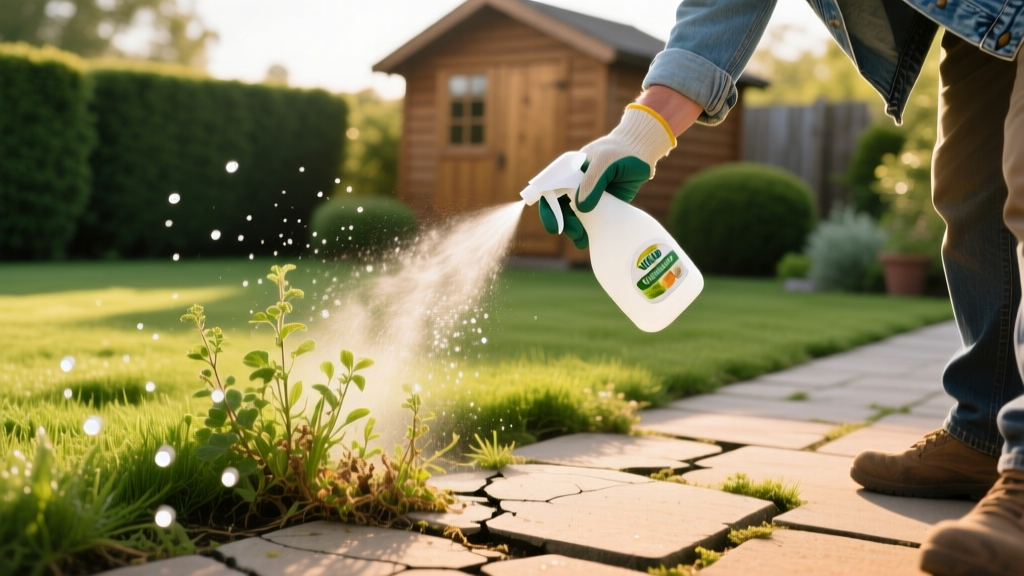
Is White Vinegar Killing Weeds Effective? An Organic Guide
The Reality of Acetic Acid as a Contact Herbicide
The premise of using white vinegar for weed control relies on acetic acid (CH3COOH), a compound that rapidly destroys plant cell membranes, causing immediate desiccation and tissue collapse. However, the efficacy of white vinegar killing weeds depends entirely on the concentration of acetic acid and the life cycle of the target weed. Household white vinegar typically contains a 5% acetic acid concentration. While this is sufficient to burn down the foliage of young, annual broadleaf weeds, it lacks the chemical potency to penetrate the waxy cuticles of mature weeds or eradicate the root systems of perennials.
According to foundational research by the USDA Agricultural Research Service, a 5% acetic acid solution only provides incomplete control of mature weeds. To achieve an 85% to 100% kill rate on established root systems, concentrations of 20% to 30% are required. These higher concentrations transition the substance from a kitchen staple to a hazardous chemical requiring strict personal protective equipment (PPE).
⚠ Safety Warning: Horticultural vinegar (20% to 30% acetic acid) is highly corrosive. It can cause severe eye damage, chemical burns on skin, and respiratory irritation. Always wear ANSI Z87.1-rated splash goggles, nitrile gloves, and long sleeves when mixing or applying concentrations above 10%.
Formulating the Ultimate Organic Weed Killer
Many DIY recipes circulating online recommend adding Epsom salts or table salt (sodium chloride) to vinegar. From a soil health perspective, never add salt to your weed killer. Sodium destroys soil structure, causes long-term salinity toxicity, and creates barren patches where neither grass nor future plants will grow. Instead, focus on maximizing the surfactant and synergistic properties of your organic mixture.
The Professional Organic Recipe
- 1 Gallon 20% Acetic Acid: Sourced from horticultural suppliers (e.g., Green Gobbler or Harris). Cost: ~$30-$35 per gallon.
- 1 oz Non-Ionic Surfactant: Alternatively, use 1 teaspoon of liquid dish soap (like Dawn). This breaks the surface tension of the water, allowing the acid to coat the leaf evenly rather than beading up and rolling off.
- 2 oz d-Limonene (Citrus Oil): Acts as a synergistic solvent that strips the waxy cuticle off stubborn weeds like plantain and thistle, allowing the acetic acid to penetrate faster.
Step-by-Step Application Protocol
Because acetic acid is a contact-only, non-selective burndown herbicide, it will damage or kill any plant it touches, including your turfgrass. Precision application is mandatory.
- Check the Weather: Apply only when temperatures are above 70°F (21°C) and the sun is shining. Heat and UV radiation accelerate the desiccation process. Avoid application if rain is forecast within 24 hours or if wind speeds exceed 5 mph to prevent drift.
- Use the Right Equipment: Never use a metal sprayer tank. Acetic acid will rapidly corrode steel and aluminum. Use a high-density polyethylene (HDPE) pump sprayer with a pinpoint nozzle or a shielded spray wand to protect surrounding turf.
- Saturate the Foliage: Spray the weed until the leaves are completely wet and dripping. Do not soak the soil; the goal is foliar burn, not soil drenching.
- Wait 24 Hours: The weed will turn brown and crispy within 12 to 24 hours. If the center of a perennial weed shows green regrowth after 3 days, apply a second targeted treatment.
Efficacy Matrix: Which Weeds Actually Die?
Understanding the biological limitations of white vinegar killing weeds prevents wasted time and resources. Below is a breakdown of how acetic acid performs against common lawn invaders.
| Weed Category | Example Species | 5% Household Vinegar | 20% Horticultural Vinegar |
|---|---|---|---|
| Young Annual Broadleaf | Chickweed, Henbit, Spurge | Effective (Top kill & root death) | Highly Effective |
| Mature Annual Broadleaf | Crabgrass, Annual Bluegrass | Partial (Foliage burns, may recover) | Effective |
| Perennial Broadleaf | Dandelion, Plantain, Clover | Ineffective (Root survives) | Top kill only (Requires 3-4 repeat apps) |
| Deep Taproot / Vining | Bindweed, Ground Ivy, Wild Violet | Ineffective | Ineffective (Waxy cuticle blocks acid) |
Soil Health and Phytotoxicity Risks
A common concern among organic lawn care practitioners is whether acetic acid permanently alters soil pH. Acetic acid is highly reactive and breaks down rapidly in the soil environment. Soil microbes metabolize the acetate ion, and the soil's natural buffering capacity (determined by cation exchange capacity and organic matter) neutralizes the pH spike within 48 to 72 hours. OMRI (Organic Materials Review Institute) lists acetic acid as an approved organic input for weed control, confirming it does not leave persistent synthetic residues in the soil profile.
However, frequent, heavy applications in the exact same spot can temporarily inhibit soil microbial activity and delay grass seed germination. If you plan to overseed a treated bare patch, wait at least 14 days and flush the area with deep watering to ensure the acetate has fully broken down.
Commercial Organic Alternatives (When DIY Fails)
If mixing 20% acetic acid poses too high a safety risk, or if you are battling waxy perennials that resist vinegar, consider commercial organic herbicides that utilize alternative active ingredients. Products verified by organic certification bodies often combine multiple botanical oils for broader-spectrum control.
- Avenger Weed Killer: Utilizes d-limonene (citrus oil) as the primary active ingredient. It strips the waxy cuticle and dehydrates the plant. Priced around $45 per gallon, it is highly effective on young grassy weeds and smells like oranges.
- BurnOut II: A proprietary blend of acetic acid and clove oil (eugenol). The eugenol provides a secondary mode of action that disrupts plant cell walls, making it slightly more effective on mature broadleaf weeds than vinegar alone. Expect to pay ~$55 per gallon.
- Doctor Kirchner Natural Weed Killer: Combines ocean water, food-grade vinegar, and soap. The high salinity of the ocean water acts as a desiccant, though it should only be used in non-garden areas like driveway cracks due to the salt content.
Frequently Asked Questions
Will white vinegar kill grass if it oversprays?
Yes. Acetic acid is non-selective. If 20% horticultural vinegar drifts onto your Bermudagrass or Fescue lawn, it will burn the grass blades down to the crown. Cool-season grasses usually recover from the roots within two weeks, but warm-season grasses may suffer prolonged stunting. Always use a cardboard shield when spraying near turf edges.
Does adding baking soda to vinegar make it work better?
No. Mixing baking soda (sodium bicarbonate) with vinegar (acetic acid) creates an acid-base reaction that releases carbon dioxide gas and water. This neutralizes the acetic acid, rendering the solution completely useless as a herbicide. Never mix alkaline substances into your organic weed killer.
How long does it take for vinegar to kill a weed?
Under optimal conditions (full sun, temperatures above 75°F), visible wilting and browning occur within 2 to 4 hours. Complete desiccation of the foliage takes 12 to 24 hours. If the weed is not brown and crispy by the next morning, the concentration was too low or the weed's cuticle was too thick.

