
Lawn Care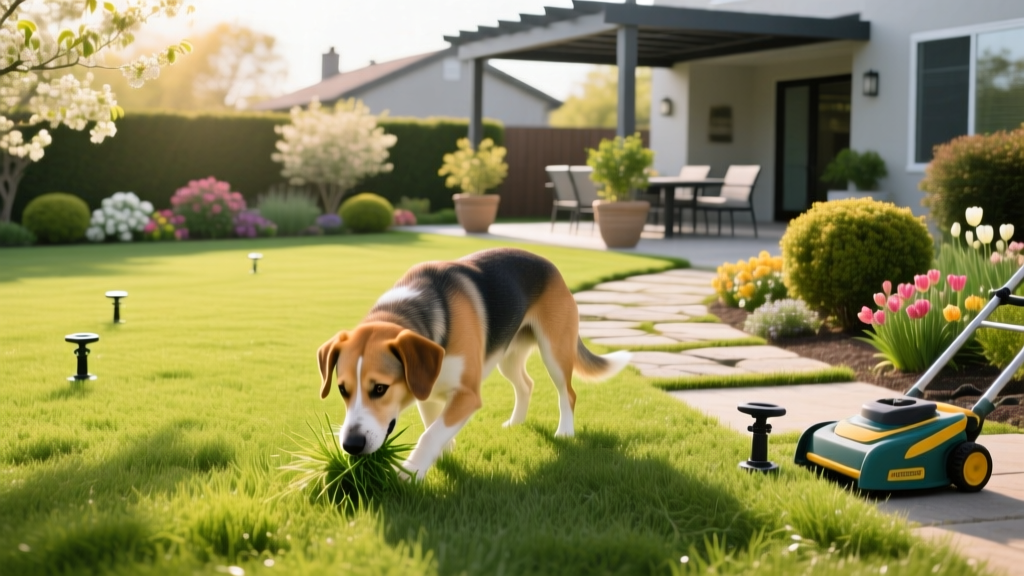
What Does It Mean When a Dog Eats Grass? A Lawn Safety Guide
The Biological Drive: What Does It Mean When a Dog Eats Grass?
When homeowners ask, what does it mean when a dog eats grass, the answer bridges veterinary science and turfgrass management. Contrary to the persistent myth that dogs only eat grass to induce vomiting when sick, veterinary behaviorists note that less than 10% of dogs show signs of illness prior to grazing. Instead, the behavior is largely driven by three factors: a need for insoluble dietary fiber, instinctual foraging behaviors inherited from wild canids, and the simple palatability of young, moisture-rich turf shoots.
From a lawn care perspective, this behavior presents a critical vulnerability. The tender new grass blades that dogs find most palatable are the exact same blades that hold the highest concentration of surface-level chemical residues from recent liquid fertilizer or herbicide applications. Understanding the intersection of canine grazing habits and turf maintenance is essential for preventing toxic exposure and preserving your lawn's structural integrity.
💡 Turfgrass Insight: Spring flush grass contains up to 18% more fructose and simple sugars than mature summer turf. This sugar spike is what makes newly sprouted Kentucky Bluegrass and Perennial Ryegrass highly attractive to grazing dogs, simultaneously increasing their risk of ingesting fresh lawn treatments.
The Hidden Lawn Care Danger: Fertilizers and Herbicides
If your dog routinely grazes on your lawn, your chemical application schedule is no longer just about weed control; it is a matter of pet safety. According to the ASPCA Animal Poison Control Center, lawn care chemicals are among the top environmental toxins implicated in canine gastrointestinal and neurological emergencies.
Decoding Active Ingredients
Not all lawn products pose the same risk. The danger lies in the specific active ingredients and their drying or absorption timelines. Synthetic broadleaf herbicides, particularly those containing 2,4-Dichlorophenoxyacetic acid (2,4-D), are highly toxic to dogs if ingested before the chemical has fully penetrated the plant tissue and dried. Symptoms of 2,4-D toxicity include vomiting, diarrhea, lethargy, and in severe cases, muscle tremors.
| Active Ingredient | Common Use | Toxicity Risk to Dogs | Safe Re-entry / Grazing Time |
|---|---|---|---|
| 2,4-D | Broadleaf Weed Killer | High | Minimum 48 hours + 0.5 inch rain/watering |
| Glyphosate | Non-selective Herbicide | Moderate | 24 hours after complete surface drying |
| FeHEDTA (Chelated Iron) | Selective Weed Control | Low | Safe immediately after application dries |
| Urea (Synthetic Nitrogen) | Quick-release Fertilizer | Moderate | Must be watered in; safe after soil absorption |
For authoritative guidelines on handling and storing these compounds, the EPA's Safe Pest Control and Pesticide Safety division mandates strict adherence to label re-entry intervals (REI), though pet owners should note that canine grazing requires longer waiting periods than human foot traffic due to direct oral ingestion.
Grass Species Palatability and Durability Matrix
When a dog eats grass, they are often targeting specific turf types that offer a softer texture and higher moisture content. If you are overseeding or establishing a new lawn in a dog-heavy environment, selecting the right seed blend is critical to prevent both toxic exposure and turf destruction.
Choosing the Right Turf for Grazing Dogs
- Tall Fescue: Deep-rooted and highly durable. The broader leaf blade is less palatable to dogs than fine fescues, reducing grazing frequency while withstanding heavy paw traffic.
- Kentucky Bluegrass: Highly palatable due to its tender spring shoots. Dogs will actively seek this out, meaning it requires rigorous pet-safe lawn care protocols.
- Bermudagrass: Extremely tough and fast-recovering, but its high pollen count and coarse texture make it less attractive for grazing, though it can trigger seasonal allergies in sensitive dogs.
- Perennial Ryegrass: Germinates rapidly and is very sweet to the canine palate. Best used only as a nurse crop in dog yards, as heavy grazing will kill it before it establishes deep roots.
Dog-Proofing Your Lawn Care Routine: A Step-by-Step Protocol
Transitioning to a pet-safe lawn care regimen does not mean sacrificing a lush, weed-free yard. It requires shifting from synthetic contact-killers to systemic organic amendments and iron-based weed control.
- Audit Current Chemicals: Dispose of any products containing 2,4-D, dicamba, or carbaryl (a common grub-control insecticide highly toxic to dogs). Replace them with pet-safe alternatives.
- Switch to Iron-Based Herbicides: Products utilizing FeHEDTA (such as Fiesta Turf Weeder or Natria Lawn Weed Control) selectively kill broadleaf weeds like dandelions and clover by causing iron toxicity in the weed cells, but are safe for turfgrass and pets once the liquid dries (usually 2-3 hours).
- Utilize Slow-Release Organic Nitrogen: Instead of synthetic urea, apply granular organic fertilizers like Espoma Organic Lawn Food (9-0-0) or Milorganite. These cost approximately $25 to $35 per 32 lb bag (covering 2,500 sq ft) and rely on soil microbes to break down nutrients, eliminating the risk of chemical burns or acute toxicity if a dog ingests a treated blade.
- Implement Post-Application Watering: Always water granular treatments into the soil immediately. This washes residue off the grass blades and moves the nutrients into the root zone, rendering the surface safe for grazing.
⚠️ Compost and Cocoa Mulch Warning: Never use cocoa bean mulch in areas where dogs graze or dig. It contains theobromine (the same toxin in chocolate) and is frequently ingested by dogs due to its sweet aroma, leading to fatal cardiac events.
Repairing Lawn Damage from Grazing and Digging
Dogs that eat grass often pull the turf by the roots, creating bare patches that invite invasive weeds like crabgrass and spurge. Repairing these zones requires a targeted approach.
For localized grazing damage, use a high-quality patching mix containing humate-rich topsoil and Perennial Ryegrass seed. Humates stimulate rapid root development and improve soil water retention. Apply the mix at a depth of 1/4 inch over the bare spot, tamp it down firmly with the back of a rake, and mist it twice daily for 14 days. To deter the dog from returning to the repaired spot, place a physical barrier such as a piece of chicken wire flat over the soil until the grass reaches a height of 3 inches; dogs dislike the texture of wire on their paws and will avoid the area while the roots establish.
Managing Soil pH and Urine Spots
Grazing dogs spend more time on the lawn, which inevitably leads to nitrogen-heavy urine spots. Contrary to popular internet remedies, do not feed your dog tomato juice or alter their diet to change their urine pH. Instead, manage the soil. Apply pelletized gypsum (calcium sulfate) at a rate of 50 lbs per 1,000 square feet in early spring. Gypsum helps displace excess sodium and nitrogen salts in the soil profile, mitigating the burning effect of canine urine and keeping the turf resilient against heavy use.
Frequently Asked Questions
Is it safe for my dog to eat grass treated with organic fertilizer?
Yes, provided the fertilizer is truly organic (e.g., feather meal, bone meal, or composted manure) and has been watered into the soil. However, some organic ingredients like blood meal can cause severe gastrointestinal upset and pancreatitis if a dog digs up and eats large quantities of the raw granules before they dissolve.
Why does my dog eat grass and then vomit?
While grass itself is not an emetic, the rapid ingestion of long, fibrous blades can tickle the pharynx and trigger a gag reflex. Additionally, if the grass is coated in morning dew mixed with environmental allergens or mild lawn residue, it can irritate the stomach lining, resulting in the expulsion of the grass and bile.
Can I train my dog to stop eating the lawn?
Behavioral redirection is possible but difficult, as grazing is an ingrained instinct. A more reliable strategy is environmental management: provide a dedicated 'salad bar' of dog-safe wheatgrass grown in a planter box on your patio, and use positive reinforcement to redirect their grazing urges away from your chemically treated turf.

