
Lawn Care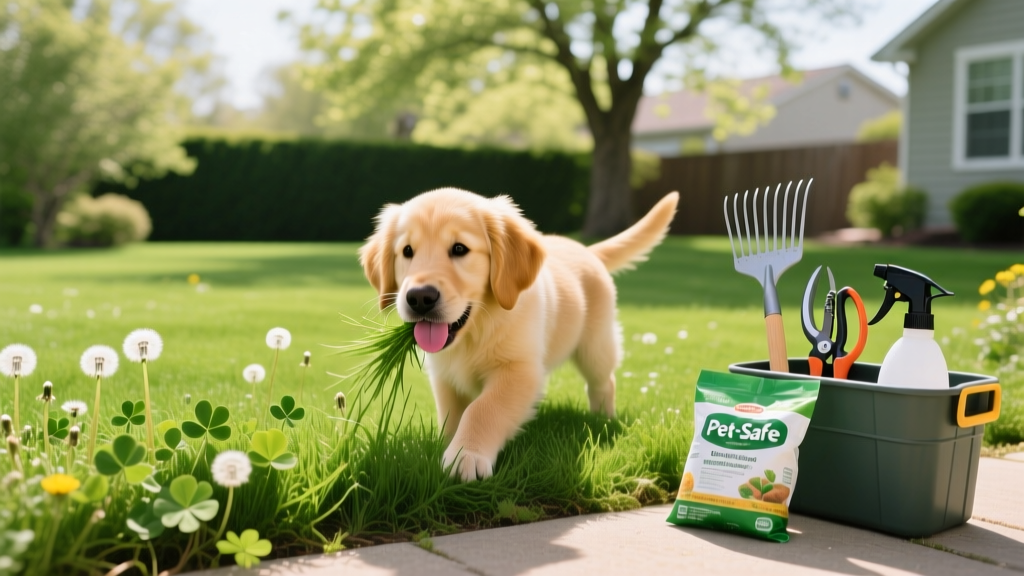
Why Do Puppies Eat Grass? A Lawn Care Safety & Turf Guide
The Behavioral Science: Why Do Puppies Eat Grass?
Before adjusting your lawn care regimen, it is critical to understand the biological drivers behind this behavior. According to the American Kennel Club, grass-eating (pica) is a common canine behavior that is rarely a sign of acute illness. While a persistent myth suggests dogs eat grass solely to induce vomiting, veterinary studies show that less than 25% of dogs vomit after grazing, and only 10% show signs of illness prior to eating it.
The primary reasons puppies consume turf include:
- Dietary Fiber Supplementation: Grass provides roughage that aids in digestion and stool formation.
- Ancestral Instinct: Wild canines consume the stomach contents of herbivorous prey, which includes partially digested grasses.
- Texture and Taste: Young puppies explore their environment orally, and the sweet, moisture-rich blades of spring turf are highly palatable.
- Boredom or Anxiety: Puppies left in a yard without stimulation may chew grass as a displacement activity.
Because grazing is a natural, unavoidable behavior for most puppies, the responsibility falls on the homeowner to ensure the turf environment is non-toxic. This means reevaluating your grass species, soil amendments, and weed control protocols to create a genuinely pet-safe lawn.
Evaluating Turfgrass Species for Puppy Safety and Durability
Not all grasses are created equal when a puppy is using the yard as both a playground and a salad bar. Some species harbor toxic fungi, while others cannot withstand the heavy traffic and nitrogen-heavy urine burns associated with young dogs. Purdue University Turfgrass Science recommends selecting cultivars based on regional climate, traffic tolerance, and disease resistance.
| Grass Species | Climate Zone | Puppy Safety & Durability Profile | Recommended Cultivar / Brand |
|---|---|---|---|
| Perennial Ryegrass | Cool-Season | Highly durable, fast germination (5-7 days). Excellent for repairing urine spots. Safe for consumption. | Jonathan Green Black Beauty Ultra |
| Tall Fescue | Transitional | Deep-rooted and shade-tolerant. Warning: Must be endophyte-free to prevent fescue toxicosis if ingested. | Scotts Turf Builder Tall Fescue Mix |
| Kentucky Bluegrass | Cool-Season | Soft texture, highly palatable to puppies. Moderate traffic tolerance; requires frequent overseeding. | Pennington Smart Seed KBG |
| Bermudagrass | Warm-Season | Extreme traffic tolerance. Coarse texture may cause mild stomach upset if consumed in large quantities. | Pennington Bermudagrass Seed |
| Zoysia | Warm-Season | Dense, weed-resistant mat. Safe, but slow to recover from puppy digging or urine burns. | Scotts Zoysia Plugs |
⚠️ Critical Fescue Warning: Tall Fescue is a premier lawn grass, but it can harbor an endophytic fungus that produces alkaloids toxic to dogs (causing fescue toxicosis). If your puppy grazes on fescue, you must verify that your seed or sod is certified endophyte-free or contains only novel, pet-safe endophytes that deter insects without harming mammals.
The Hidden Dangers of Lawn Chemicals
If your puppy is eating grass, they are simultaneously ingesting whatever is coated on the blades and bound to the soil. The ASPCA Animal Poison Control frequently fields calls regarding toxicosis from synthetic lawn care products. Transitioning to a pet-safe lawn care program is non-negotiable for grazing puppies.
Herbicides to Ban from Your Shed
Synthetic broadleaf herbicides containing 2,4-D, dicamba, and MCPP are systemic chemicals designed to be absorbed through the leaves of weeds. When a puppy eats treated grass, these chemicals enter their bloodstream. Epidemiological studies have linked regular exposure to 2,4-D herbicides with a significantly increased risk of canine malignant lymphoma. Furthermore, glyphosate-based weed killers pose severe gastrointestinal and neurological risks to young, developing dogs.
Pet-Safe Weed Control Alternatives
- Chelated Iron (FeHEDTA): Products like Fiesta Turf Weed Killer use iron to selectively kill broadleaf weeds (like dandelions and clover) while leaving grass unharmed. Once the liquid dries (usually 2-3 hours), it is completely safe for puppies to graze on the turf.
- Corn Gluten Meal: A natural pre-emergent herbicide that prevents weed seeds from germinating. It also acts as a mild organic nitrogen fertilizer (9-0-0 NPK). Apply in early spring before soil temperatures reach 55°F.
- Horticultural Vinegar (20-30% Acetic Acid): Effective for spot-treating driveway cracks or patio pavers, but use with caution on the lawn as it is non-selective and will burn grass blades.
Fertilizers and Soil Amendments: What is Safe to Ingest?
Traditional synthetic fertilizers rely on urea and ammonium sulfate for rapid nitrogen release. These salts can cause severe chemical burns on puppy paw pads and are highly toxic if licked off the grass or ingested directly from the bag.
For a puppy-safe lawn, transition to slow-release, organic nitrogen sources. Look for fertilizers where the primary ingredients are feather meal, alfalfa meal, or soybean meal. Brands like Espoma Organic Lawn Food (9-0-0) or Milorganite (5-2-0) are widely used. While Milorganite is a biosolid-based fertilizer that is generally considered safe for pets once watered in, some veterinarians recommend plant-based organics like Espoma to eliminate any risk of heavy metal accumulation or the attraction of dogs to the scent of processed biosolids.
Application Protocol: Always water organic fertilizers into the soil immediately after application. This moves the nutrients into the root zone, washes residue off the grass blades, and removes the temptation for your puppy to chew on fertilizer pellets.
Repairing and Puppy-Proofing Your Turf
Puppies do not just eat grass; they destroy it. Urine spots, digging, and compaction require a targeted renovation strategy.
- Dilute Urine Spots Immediately: Female puppies and squatters cause the most nitrogen-burn damage. Keep a hose or watering can nearby and apply 1-2 gallons of water to the spot immediately after they urinate to flush the urea below the root zone.
- Aerate Compacted Soil: Puppies running in the same patterns create hardpan soil. Core aeration in the fall (for cool-season grasses) or late spring (for warm-season grasses) relieves compaction and allows oxygen to reach the roots.
- Overseed with a Repair Mix: Do not use cheap contractor-grade seed for patch repair. Use a mix heavily weighted toward Perennial Ryegrass for its rapid 5-day germination and wear tolerance. Top-dress the seeded areas with 1/4 inch of organic compost to retain moisture and protect the seed from being dug up.
Frequently Asked Questions
Is it safe for my puppy to eat grass that has been treated with grub control?
It depends entirely on the active ingredient. Synthetic grub control containing chlorantraniliprole (e.g., Scotts GrubEx) is generally considered safe for pets once the granules have been watered into the soil and the surface is dry. However, older chemical classes like organophosphates or carbaryl (Sevin) are highly toxic to dogs and should be avoided entirely. Always read the active ingredient label, not just the marketing claims.
Can eating too much grass cause an intestinal blockage in puppies?
Yes. While grass is digestible in small amounts, a puppy that gorges on long, unchewed blades of tough turf (especially mature Bermudagrass or Zoysia) can develop a gastrointestinal impaction. If your puppy exhibits lethargy, vomiting, or a lack of bowel movements after a heavy grazing session, consult your veterinarian immediately.
Should I plant clover in my lawn for my puppy?
White Dutch Clover is highly durable, stays green during droughts, and is safe for dogs to eat. However, clover attracts bees, which increases the risk of painful stings on your puppy's paws and snout. If you integrate clover, keep it mowed short (around 1.5 inches) to minimize flowering and bee activity.

