
Pest Control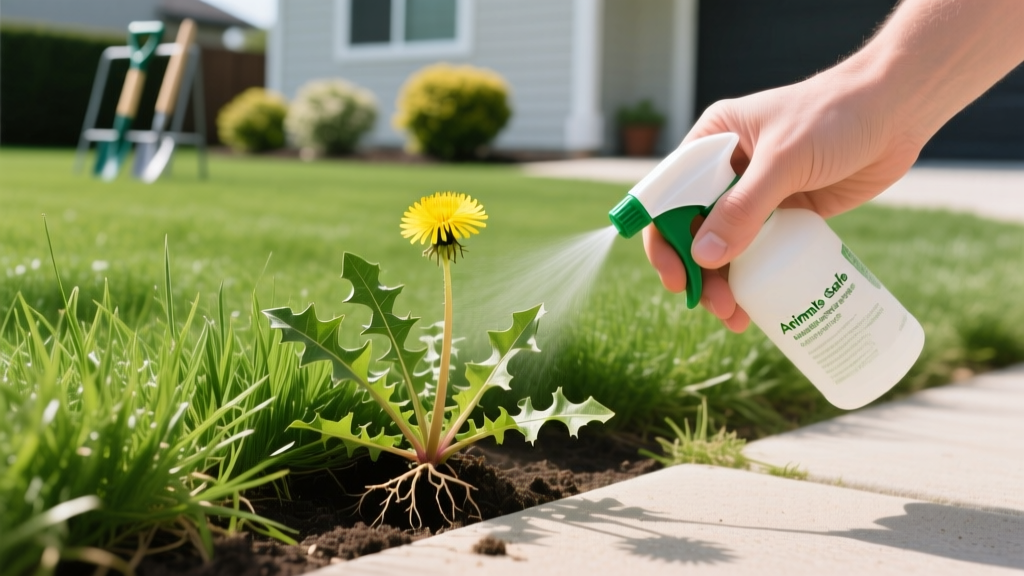
Animal Safe Weed Killer Guide: Spot-Treating Dandelions and Clover
The Shift to Pet-Safe Spot Treatment Protocols
Broadcast spraying synthetic herbicides like 2,4-D or glyphosate poses documented risks to pets through paw absorption and grooming ingestion. As of 2026, turf management professionals and homeowners are increasingly adopting targeted spot-treatment methodologies using EPA-exempt minimum risk pesticides and chelated iron compounds. Spot-treating isolates the active ingredient to the specific weed species, reducing chemical load on the lawn by up to 90% compared to blanket applications. This guide details the exact formulations, application rates, and species-specific protocols required to eradicate dandelions and clover without compromising the safety of dogs, cats, or local wildlife.
Core Safety Principle: According to the ASPCA Animal Poison Control, even 'natural' organic acids can cause severe gastrointestinal distress or paw pad burns if applied at incorrect concentrations. Always verify the active ingredient concentration and enforce a strict re-entry time based on the product's drying curve, not just the label's generic advice.
The Chemistry of Animal Safe Weed Killers
Not all pet-safe weed killers operate via the same mechanism. Understanding the biochemical pathway of the active ingredient is critical for selecting the right tool for broadleaf weeds versus grassy weeds.
Iron HEDTA (FeHEDTA)
Iron HEDTA (hydroxyethylethylenediaminetriacetic acid) is a chelated iron compound. Broadleaf weeds (dicots) absorb iron much more rapidly than turfgrasses (monocots). When applied at 1.0 to 1.5 fluid ounces per gallon of water, the weed absorbs a toxic level of iron, leading to cellular necrosis and desiccation within 24 to 48 hours. Once the liquid dries on the leaf surface (typically 2 to 4 hours), it is entirely non-toxic to pets. Products like Fiesta Turf Weeder utilize this chemistry and cost approximately $45 to $55 per gallon of concentrate.
Acetic Acid and d-Limonene (Citrus Oil)
High-concentration acetic acid (20% to 30%) and d-limonene act as non-selective contact burn-downs. They strip the waxy cuticle from the weed's leaves, causing rapid dehydration. While safe for pets once dry, 30% acetic acid is highly corrosive in its liquid state and requires heavy PPE for the applicator. Furthermore, repeated spot applications can temporarily lower soil pH in the treated micro-zone.
Species-Specific Spot Treatment Protocols
Successful eradication requires matching the weed's biological structure with the correct animal safe weed killer. A one-size-fits-all approach will result in rapid regrowth.
Dandelions (Taraxacum officinale)
Dandelions possess a deep, brittle taproot that can regenerate if the crown is left intact.
- Primary Treatment: Iron HEDTA (e.g., Fiesta). Spray until the leaves are uniformly coated but not dripping.
- Timing: Apply in early spring or early fall when the plant is actively pulling nutrients (and the herbicide) down into the root zone.
- Follow-up: A single application will burn back the foliage, but a second application exactly 14 days later is mandatory to translocate the iron into the taproot and achieve a 95% kill rate.
White Clover (Trifolium repens)
Clover spreads via shallow, creeping stolons and fixes its own nitrogen, making it highly resilient to iron-based treatments.
- Primary Treatment: 20% Acetic Acid mixed with a 2% d-limonene surfactant (e.g., Nature's Avenger or Green Gobbler).
- Application Rate: Apply at 1.5 fl oz per square foot directly to the clover patches using a shielded spray wand to prevent drift onto desirable turf.
- Edge Case: Because acetic acid is non-selective, it will burn the surrounding grass. Plan to overseed the spot-treated area with a compatible grass seed blend 7 days after the clover has completely desiccated.
Commercial vs. DIY Animal Safe Weed Killers
The table below compares the efficacy, cost, and safety profiles of the leading pet-safe spot treatments available on the market in 2026.
| Product / Method | Active Ingredient | Target Weeds | Pet Re-entry Time | Est. Cost (per Gal) |
|---|---|---|---|---|
| Fiesta Turf Weeder | Iron HEDTA (FeHEDTA) | Broadleaf (Dandelion, Plantain) | 2-4 Hours (Once dry) | $45 - $55 |
| Harris 30% Vinegar | 30% Acetic Acid | Non-selective (All top-growth) | 24 Hours (Neutralized) | $25 - $30 |
| Green Gobbler | d-Limonene / Citrus Oil | Broadleaf & Grassy | 4-6 Hours | $35 - $40 |
| Thermal Weeding | Propane Flame (150k BTU) | Non-selective (Driveway edges) | Immediate (Once cool) | $60 (Hardware cost) |
Step-by-Step Spot Application Framework
According to turfgrass research from the University of Minnesota Extension, environmental conditions dictate the success of organic herbicides. Follow this exact sequence for maximum efficacy.
- Calibrate the Sprayer: Use a dedicated 1-gallon pump sprayer with a pin-stream nozzle. This focuses the liquid into a tight, 2-inch stream, preventing drift onto pet-frequented turf areas.
- Check the Temperature Threshold: Iron HEDTA performs best between 60°F and 80°F. If applying acetic acid, wait until temperatures exceed 75°F; the heat accelerates the cuticle-stripping process. Never apply acetic acid above 90°F, as rapid volatilization can damage surrounding desirable plants.
- Mow Before Treatment: Mow the lawn to 2.5 inches two days prior to treatment. This forces the weeds to push new, tender growth, which absorbs the active ingredient much faster than mature, waxy leaves.
- Apply and Isolate: Spray the target weed. Immediately place a small, brightly colored physical marker (like a golf tee or a pet-safe lawn flag) next to the treated spot to prevent pets from walking through the wet solution.
- Enforce the Drying Window: Keep pets off the treated zone until the leaves are completely dry to the touch. For Iron HEDTA, this is roughly 3 hours in direct sunlight.
Warning: The Soil pH Trap
Repeatedly spot-treating the exact same clover patch with 30% acetic acid will drastically lower the soil pH in that micro-zone, creating highly acidic soil where new grass seed will fail to germinate. If you must use high-strength vinegar on a recurring basis, apply 1 cup of granular lime to the spot 30 days after treatment to buffer the soil pH back to the 6.0-7.0 optimal range.
Repeatedly spot-treating the exact same clover patch with 30% acetic acid will drastically lower the soil pH in that micro-zone, creating highly acidic soil where new grass seed will fail to germinate. If you must use high-strength vinegar on a recurring basis, apply 1 cup of granular lime to the spot 30 days after treatment to buffer the soil pH back to the 6.0-7.0 optimal range.
Critical Safety and Efficacy Edge Cases
Even animal safe weed killers have failure modes if misapplied. Be aware of these common pitfalls:
- Iron HEDTA Phytotoxicity: If you overdose Iron HEDTA (mixing stronger than 2 oz per gallon), it will cause temporary darkening or 'blackening' of the surrounding Kentucky Bluegrass or Fescue. This is cosmetic and resolves in 14 days, but it alarms many homeowners.
- Surfactant Toxicity: While the active ingredient (like d-limonene) may be pet-safe, the inert surfactants used to make the liquid stick to the leaf can cause mild contact dermatitis on sensitive dog paws. Always wash your pet's paws with a damp cloth if they accidentally walk on a freshly treated area.
- Rainfastness: Organic acids have zero systemic action. If it rains within 4 hours of applying acetic acid or citrus oil, the treatment is entirely washed away and must be repeated. Iron HEDTA requires a minimum of 12 hours of dry weather to translocate into the weed's vascular system.
Expert FAQs on Pet-Safe Weed Management
Can I use corn gluten meal as a spot treatment?
No. Corn gluten meal (CGM) is strictly a pre-emergent herbicide. It inhibits root formation in germinating seeds. It will not kill existing dandelions or clover. Apply CGM at a rate of 20 lbs per 1,000 square feet in early spring to prevent new weed seeds from establishing, but rely on Iron HEDTA for existing broadleaf spot-treatments.
Is boiling water a viable animal safe weed killer?
Boiling water effectively cooks the crown of shallow-rooted weeds, but it is highly inefficient for taprooted species like dandelions. Furthermore, pouring boiling water on your lawn will instantly kill the surrounding desirable grass and destroy beneficial soil microbes in the top inch of the soil profile, leaving a dead patch that will quickly be colonized by new weed seeds.
How long after spot-treating can my dog chew on the grass?
Once Iron HEDTA or acetic acid has fully dried and absorbed into the plant tissue (typically 24 hours post-application), the residual toxicity on the leaf surface is negligible. However, if the weed is in the process of necrotic breakdown, it may taste bitter and cause mild, temporary drooling or stomach upset if your dog ingests large quantities of the dying foliage. Discourage grazing on treated spots for 48 hours.

