
Pest Control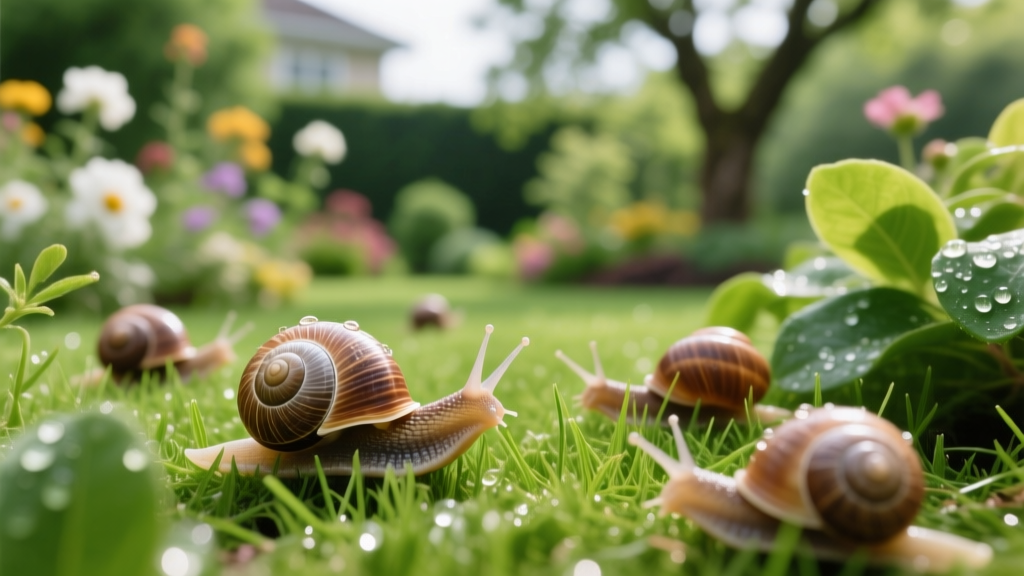
Are Snails Poisonous to Humans, Pets, and Garden Wildlife?
When you encounter a slimy trail across your patio or find a mollusk chewing through your prized hostas, a common question arises: are snails poisonous? The short answer is no, the common garden snail (Cornu aspersum) does not produce venom or intrinsic toxins that can harm you through casual contact. However, dismissing them as entirely harmless is a critical mistake.
While the snails themselves are not poisonous, they act as highly efficient biological vectors for severe parasitic diseases and bacterial pathogens. Furthermore, the most significant poisoning risk in the garden actually comes from the chemical treatments homeowners use to kill them. This guide breaks down the exact biological and chemical risks associated with garden snails, providing a science-backed framework for safe identification, handling, and pest management.
Toxicity vs. Vectors: Understanding the Biological Reality
To accurately assess the danger, we must distinguish between an organism that is inherently toxic and one that merely carries disease. Snails lack venom glands, stingers, or toxic secretions. If a child touches a garden snail or a dog sniffs one, no poison is transferred through the skin or mucous membranes.
Warning: The Raw Consumption Hazard
The only scenario where a snail's biological makeup becomes directly dangerous to humans is through the ingestion of raw or undercooked snails. This is not due to intrinsic poison, but because the snail's muscle tissue and slime harbor infective larvae of parasites. Never consume wild-caught snails without a rigorous purging and high-temperature cooking protocol (internal temperature of at least 165°F / 74°C for 3 minutes).
The only scenario where a snail's biological makeup becomes directly dangerous to humans is through the ingestion of raw or undercooked snails. This is not due to intrinsic poison, but because the snail's muscle tissue and slime harbor infective larvae of parasites. Never consume wild-caught snails without a rigorous purging and high-temperature cooking protocol (internal temperature of at least 165°F / 74°C for 3 minutes).
Hidden Dangers: Rat Lungworm and Bacterial Pathogens
The primary health threat posed by garden snails is their role as intermediate hosts for Angiostrongylus cantonensis, commonly known as the rat lungworm. This parasitic nematode is a growing concern in tropical and subtropical regions, including Hawaii, Florida, and parts of the Gulf Coast.
The life cycle of this parasite requires both a rat (definitive host) and a mollusk (intermediate host). Rats pass the larvae in their feces, which snails and slugs consume. The larvae then migrate into the snail's muscle tissue. When a dog, cat, or human accidentally ingests an infected snail—or even the invisible slime trail left on unwashed garden produce—the larvae migrate to the brain, causing eosinophilic meningitis. According to the Centers for Disease Control and Prevention (CDC), symptoms in humans can range from severe headaches and neck stiffness to neurological damage and, in rare cases, death.
Additionally, snails frequently harbor Salmonella and E. coli on their exterior surfaces, picked up from crawling through soil enriched with animal feces or raw manure compost. Handling snails without proper hand hygiene can easily transfer these bacteria to your mouth or eyes.
Risk Matrix: Garden Snail Health Threats
| Threat Agent | Transmission Vector | Risk to Humans | Risk to Pets |
|---|---|---|---|
| Angiostrongylus cantonensis (Rat Lungworm) | Ingestion of infected snail or unwashed produce with slime trails | High (Eosinophilic meningitis) | High (Neurological damage, fatal) |
| Salmonella / E. coli | Fecal-oral route via handling snails then touching face/food | Moderate (Gastrointestinal illness) | Low (Canine/feline GI resistance) |
| Secondary Chemical Toxins | Pet or wildlife ingests a snail that has recently consumed metaldehyde bait | Low (Direct bait ingestion is the real risk) | High (Seizures, hyperthermia) |
The Real Threat: Secondary Poisoning from Snail Baits
When homeowners ask, "are snails poisonous to dogs?", the real culprit is often the pest control product used against them. Traditional snail and slug baits rely on Metaldehyde, a highly toxic chemical compound that poses a severe secondary poisoning risk to the entire garden ecosystem.
Metaldehyde baits are frequently formulated with molasses, bran, or apple scents to attract mollusks. Unfortunately, these same attractants are highly appealing to dogs, cats, hedgehogs, and ground-foraging birds. The lethal dose of metaldehyde for a dog is remarkably low—approximately 100 to 300 mg per kilogram of body weight. If a dog eats a snail that has just ingested a lethal dose of metaldehyde, or if the dog eats the pellets directly, the chemical rapidly attacks the central nervous system.
According to the Pet Poison Helpline, metaldehyde toxicity symptoms manifest within 1 to 4 hours and include severe muscle tremors, ataxia (loss of coordination), hyperthermia (body temperatures exceeding 108°F), and seizures. Without aggressive veterinary intervention, it is frequently fatal.
Active Ingredient Breakdown: What to Buy and What to Avoid
- Metaldehyde (AVOID): Found in older, cheaper brands (e.g., Cory's Slug & Snail Death). High mammalian toxicity. Banned in several countries and heavily restricted in states like California and Washington.
- Iron Phosphate (RECOMMENDED): Found in brands like Sluggo and Bonide Slug Magic. OMRI-listed for organic use. It disrupts the snail's calcium metabolism and digestive tract, causing them to stop feeding and retreat underground to die. It poses virtually zero toxicity risk to pets, birds, or humans, and breaks down into beneficial iron and phosphate fertilizer.
- Ferric Sodium EDTA (RECOMMENDED): Found in products like Corry's DeathGest. Acts much faster than iron phosphate (killing within 24-48 hours) while maintaining a very low toxicity profile for mammals and birds. Ideal for severe, active infestations.
Step-by-Step Safe Snail Removal Protocol
If you are dealing with an infestation, hand-picking remains the most environmentally sound method, provided you follow strict hygiene protocols to avoid pathogen transfer. The University of California Agriculture and Natural Resources (UC ANR) Integrated Pest Management program advocates for mechanical removal combined with habitat modification.
- Equip Proper PPE: Wear 5-mil nitrile gloves. Latex is acceptable, but nitrile provides better puncture resistance against sharp garden debris while handling mollusks.
- Prepare a Kill Bucket: Fill a 1-gallon bucket with 2 cups of water and 2 tablespoons of liquid dish soap. The soap breaks the surface tension and dissolves the snail's protective mucous layer, drowning them rapidly and humanely. Never use salt directly on snails in the garden bed, as this will rapidly salinize and ruin your soil structure.
- Time Your Hunt: Snails are nocturnal and photophobic. Conduct your removal walks between 10:00 PM and midnight using a red-filtered headlamp (white light causes them to retract and drop off plants).
- Target the Micro-Habitats: Check the undersides of terracotta pot rims, inside dense ivy groundcovers, and beneath wooden deck stairs. These are prime daytime estivation (dormancy) sites.
- Sanitize Tools and Hands: After disposal, wash your gloves and any trowels used in a 10% household bleach solution (1 part bleach to 9 parts water) for 5 minutes to neutralize Salmonella and lungworm larvae. Wash hands thoroughly with antibacterial soap.
Frequently Asked Questions
Are snails poisonous to touch?
No. You cannot absorb toxins or parasites through intact skin by touching a snail. However, you can pick up Salmonella or microscopic parasite larvae on your fingers, which can infect you if you subsequently touch your mouth, eyes, or food. Always wash your hands with soap and water after handling them.
Can my dog get sick from eating a garden snail?
Yes. If the snail is carrying rat lungworm larvae, your dog can contract the parasite, leading to severe neurological issues. Furthermore, if the snail has recently consumed metaldehyde bait, your dog is at risk of fatal secondary poisoning. If you know your dog has eaten a snail, monitor them closely and consult your veterinarian, especially if you live in a lungworm-endemic area or use chemical baits.
Are Giant African Land Snails more dangerous than common garden snails?
Biologically, yes. The Giant African Land Snail (Achatina fulica), which is an invasive pest in parts of Florida, is a highly efficient vector for the rat lungworm parasite and carries a much higher pathogen load than the common brown garden snail. They are also an agricultural menace, but their toxicity profile remains the same: they are disease vectors, not venomous creatures.

