
Pest Control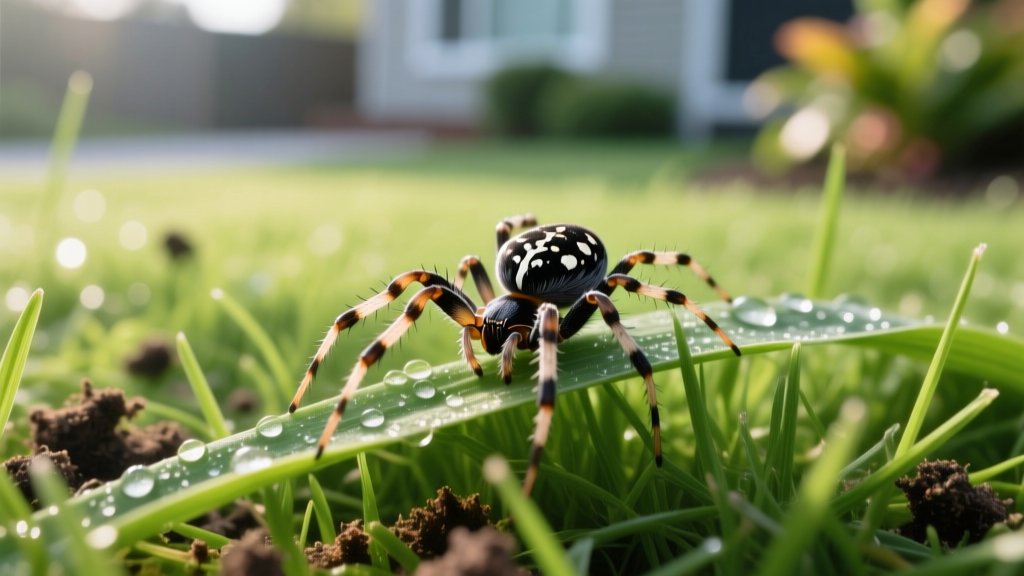
Are Grass Spiders Dangerous? Identification & Lawn Safety Guide
The Short Answer: Are Grass Spiders Dangerous?
If you have noticed dozens of small, web-building spiders darting across your lawn on a dewy morning, your first instinct might be concern. The direct answer to the question "are grass spiders dangerous" is a definitive no. Grass spiders, scientifically belonging to the family Agelenidae (commonly known as funnel weavers), are entirely harmless to humans, children, and domestic pets.
While they do possess venom to paralyze their insect prey, their chelicerae (fangs) are generally too small and weak to pierce human skin. In the exceedingly rare event that a defensive bite occurs, the venom is not necrotic or neurotoxic to mammals. The reaction is typically limited to mild, localized redness comparable to a mosquito bite. According to the UC Riverside Spider Research Project, funnel weavers are strictly non-aggressive and will always retreat into their web funnels rather than confront a large predator like a human.
Quick Identification Profile
- Scientific Family: Agelenidae (Funnel Weavers)
- Average Size: 0.5 to 0.75 inches (body length)
- Coloration: Brown, tan, or gray with distinct longitudinal stripes
- Web Type: Flat, horizontal sheet webs with a tubular "funnel" retreat at one edge
- Danger Level: None (Beneficial predator)
Identifying the Grass Spider in Your Yard
Accurate identification is the cornerstone of integrated pest management (IPM). Grass spiders are frequently misidentified as more dangerous species due to their similar coloration and ground-dwelling habits. To confirm you are dealing with a harmless funnel weaver, examine the web structure and the spider's physical traits.
Web Architecture: The Signature Funnel
The most reliable way to identify a grass spider without getting close enough to inspect its eyes is by its web. Unlike the circular, sticky orb webs of garden spiders, grass spiders build sheet webs. These are flat, non-sticky hammocks of silk stretched across grass blades or low shrubs. At one edge of this sheet, the web narrows into a tube or "funnel." The spider waits inside this funnel, feeling for vibrations when an insect lands on the sheet, before rushing out to capture it.
Physical Characteristics
If you can safely observe the spider, look for these defining traits:
- Eye Arrangement: They have eight eyes arranged in two distinct, slightly curved horizontal rows of four.
- Abdomen Markings: Most species feature two distinct, dark longitudinal stripes running down the back of the abdomen, often resembling a chevron or herringbone pattern.
- Spinnerets: They possess notably long, multi-segmented posterior spinnerets that extend past the tip of the abdomen, which are used to weave the funnel retreat.
Grass Spiders vs. Dangerous Lookalikes
Homeowners often confuse grass spiders with genuinely medically significant spiders. Understanding the morphological and behavioral differences prevents unnecessary panic and improper pesticide application. The Penn State Extension notes that misidentification is the leading cause of unwarranted spider eradication efforts in residential landscapes.
| Feature | Grass Spider (Funnel Weaver) | Wolf Spider | Brown Recluse |
|---|---|---|---|
| Web Type | Sheet web with funnel retreat | No web (active hunter) | Irregular, sticky, messy web in hidden areas |
| Eye Pattern | 8 eyes in 2 rows of 4 | 8 eyes in 3 rows (4-2-2) | 6 eyes in 3 pairs (dyad arrangement) |
| Danger Level | Harmless | Mildly venomous (bee-sting level) | Medically significant (necrotic venom) |
| Primary Habitat | Tall grass, low shrubs | Ground burrows, leaf litter | Dark, undisturbed indoor/outdoor crevices |
The Ecological Value of Funnel Weavers
Before reaching for a broadcast insecticide, consider the ecological services grass spiders provide. A healthy lawn ecosystem relies on natural predators to keep destructive pest populations in check. A single mature grass spider can consume up to 15 to 20 soft-bodied insects per week.
"By maintaining a population of Agelenidae in your turfgrass, you are essentially employing a free, self-replicating pest control service that targets adult mosquitoes, fungus gnats, chinch bugs, and lawn-damaging moth larvae before they can lay eggs."
When you eradicate grass spiders using broad-spectrum pyrethroids (like bifenthrin), you often trigger a secondary pest outbreak. Without the spiders to eat them, populations of sap-sucking insects and turf-destroying caterpillars can rebound exponentially within a single generation cycle.
How to Manage Grass Spider Populations Organically
While they are harmless, dense populations of grass spiders can make a lawn look unsightly, especially in late summer and early autumn when morning dew highlights their sheet webs. If the visual presence of webs is unacceptable for your landscape standards, you can manage their numbers through cultural lawn care practices rather than harsh chemicals.
1. Adjust Your Mowing Height and Frequency
Grass spiders require tall, dense turf to anchor the outer edges of their sheet webs. By maintaining your lawn at a slightly lower height, you physically disrupt their ability to build large webs.
- Optimal Mowing Height: Reduce cool-season grasses (like Tall Fescue or Kentucky Bluegrass) to 2.5 to 3.0 inches during peak spider season (August-October).
- Frequency: Mow every 5 to 7 days to consistently break the structural anchor points of newly spun webs.
- Bagging Clippings: Use a bagger attachment during the fall to remove egg sacs that may be attached to the upper grass blades.
2. Dethatching and Core Aeration
Thick thatch layers (greater than 0.5 inches) provide ideal, humid overwintering habitats for funnel weavers. Renting a power dethatcher in early spring removes this microhabitat, naturally reducing the emerging spring population. Follow up with core aeration to improve soil drainage; grass spiders prefer slightly damp, stagnant environments near the soil line.
3. Targeted Botanical Repellents
If you need to push spiders away from high-traffic areas (like patios or playgrounds) without harming the broader ecosystem, use botanical insecticides. Essentria IC3 is a highly effective, FIFRA-exempt botanical concentrate utilizing rosemary oil, geraniol, and peppermint oil.
Essentria IC3 Application Protocol
Cost: Approximately $48 per pint (yields up to 32 gallons of finished solution).
Mix Rate: 1 to 2 fluid ounces per gallon of water.
Application: Spray as a perimeter barrier along foundations, hardscape borders, and the edges of the lawn. The strong essential oil profile acts as a powerful olfactory repellent to arachnids without leaving toxic soil residues. Reapply every 14 to 21 days, as botanical oils degrade rapidly under UV light.
Frequently Asked Questions
Do grass spiders come inside the house?
Rarely. Grass spiders are strictly outdoor hunters that rely on the structural support of grass blades and shrubs to build their horizontal sheet webs. If you find a spider inside your home, it is highly likely to be a different species, such as a house spider (Parasteatoda tepidariorum) or a wolf spider that wandered inside by accident.
Why do I see so many grass spiders in the fall?
Early autumn is the peak mating season for Agelenidae. During this time, mature males abandon their webs and wander across the lawn in search of females. Additionally, cooler autumn mornings produce heavy dew, which condenses on the non-sticky silk, making the webs suddenly visible to homeowners who never noticed them during the dry summer months.
Will lawn fertilizers kill grass spiders?
No. Standard granular nitrogen-phosphorus-potassium (NPK) fertilizers have no insecticidal or arachnicidal properties. However, over-fertilizing can lead to hyper-growth of turfgrass, creating a denser, taller canopy that actually encourages grass spider colonization by providing more web-anchoring points.
Final Thoughts on Lawn Arachnids
When evaluating your landscape pests, it is crucial to separate visual nuisance from actual biological threat. Grass spiders are a vital component of a balanced yard ecosystem, providing relentless, chemical-free control of the biting and turf-damaging insects that truly plague homeowners. By adjusting your mowing habits and understanding their identification markers, you can maintain a pristine lawn while coexisting safely with these beneficial arachnids.

