
Pest Control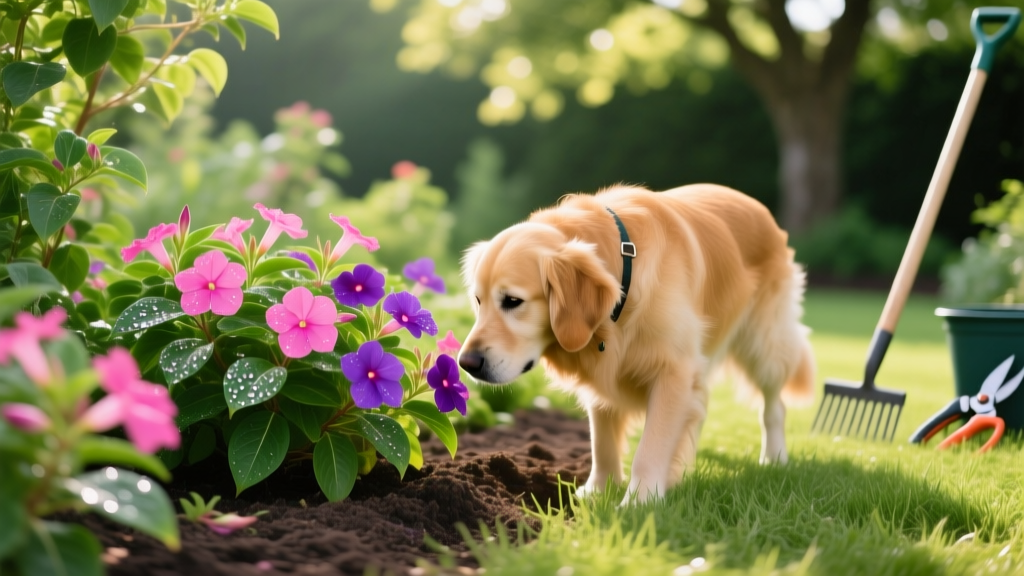
Are Impatiens Plants Poisonous to Dogs? A Pet-Safe Garden Guide
The Short Answer: Impatiens and Canine Toxicity
If you are wondering, 'are impatiens plants poisonous to dogs?', the direct answer is no. According to the ASPCA Animal Poison Control Center, both standard garden impatiens (Impatiens walleriana) and New Guinea impatiens (Impatiens hawkeri) are classified as non-toxic to dogs, cats, and horses. The plant tissue itself does not contain alkaloids, glycosides, or insoluble calcium oxalates that cause systemic poisoning.
However, as a garden manager, stopping at the plant's natural toxicity profile is a critical mistake. The true danger to your dog lies not in the impatiens, but in the chemical pest control treatments frequently applied to them. Impatiens are highly susceptible to spider mites, aphids, thrips, and downy mildew, prompting many homeowners and commercial nurseries to treat them with systemic pesticides that are highly toxic to canines.
Identifying Impatiens in Your Landscape
Before you can manage the pests that threaten these shade-lovers, you must accurately identify the species, as their pest profiles differ slightly.
- Standard Impatiens (Impatiens walleriana): Features ovate, serrated leaves and flat, 5-petaled flowers. Grows 8 to 24 inches tall. Highly susceptible to Plasmopara obducens (downy mildew).
- New Guinea Impatiens (Impatiens hawkeri): Larger, lance-shaped leaves often with bronze or variegated tints. Flowers are larger and sit above the foliage. More heat-tolerant and generally resistant to the downy mildew strains that devastate standard varieties.
The Real Danger: Pesticide Residue on Impatiens
When a dog ingests untreated impatiens, the worst-case scenario is mild gastrointestinal upset (vomiting or loose stool) due to the mechanical irritation of eating a large volume of fibrous plant matter. When a dog ingests treated impatiens, the outcome can be fatal.
WARNING: Systemic Insecticides
Many nurseries pre-treat impatiens with Imidacloprid or Dinotefuran (neonicotinoids) to prevent aphid and whitefly outbreaks. These systemic chemicals are absorbed into the plant's vascular system. When your dog chews the leaves or licks the pollen, they ingest the neurotoxin. Symptoms of neonicotinoid poisoning in dogs include tremors, hypersalivation, disorientation, and seizures. Always ask your nursery if starter plants have been treated with systemics before bringing them into a dog-accessible yard.
Many nurseries pre-treat impatiens with Imidacloprid or Dinotefuran (neonicotinoids) to prevent aphid and whitefly outbreaks. These systemic chemicals are absorbed into the plant's vascular system. When your dog chews the leaves or licks the pollen, they ingest the neurotoxin. Symptoms of neonicotinoid poisoning in dogs include tremors, hypersalivation, disorientation, and seizures. Always ask your nursery if starter plants have been treated with systemics before bringing them into a dog-accessible yard.
Common Impatiens Pests and Dog-Safe Treatments
Managing pests on impatiens requires a strategic approach that prioritizes canine safety without sacrificing the plant's health. Below is a decision matrix for treating common impatiens pests in pet-friendly landscapes.
| Pest / Disease | Dog-Safe Treatment | Application Protocol | Estimated Cost |
|---|---|---|---|
| Spider Mites (Tetranychus urticae) | Cold-Pressed Neem Oil (0.9% Azadirachtin) | Spray at dusk to avoid leaf burn. Keep dogs away until leaves are 100% dry (approx. 2 hours). | $12 - $18 per 16oz concentrate |
| Aphids & Thrips | Spinosad (e.g., Captain Jack's Deadbug Brew) | Apply in early evening. Highly toxic to bees when wet, but safe for dogs once completely dried (3-4 hours). | $15 - $22 per pint |
| Fungus Gnats (Soil-dwelling) | Beneficial Nematodes (Steinernema feltiae) | Mix with water and drench the soil. Zero toxicity to mammals; dogs can dig in treated soil immediately. | $25 - $35 per million nematodes |
| Downy Mildew | Copper Octanoate Fungicide | Preventative spray every 10 days. Keep dogs off foliage until dry to prevent mild gastric irritation. | $10 - $15 per quart |
Note: Never use Metaldehyde-based snail and slug baits around impatiens. Metaldehyde is highly attractive to dogs due to its molasses-like carrier and causes rapid, often fatal, neurological failure. Use Iron Phosphate-based baits (e.g., Sluggo) instead, which are safe for pets and break down into soil fertilizer.
The 'Sniff & Spray' Protocol for Dog Owners
To maintain a pest-free shade garden without risking your dog's health, implement this strict operational framework:
- The 48-Hour Quarantine: When purchasing new impatiens, keep them on a high patio table or in a closed garage for 48 hours. Inspect the undersides of leaves for webbing or sticky honeydew.
- The Water Blast: Before reaching for chemicals, use a pressurized hose nozzle (set to a 'flat' or 'shower' setting, not 'jet') to physically blast aphids and spider mites off the foliage. Do this in the morning so the plants dry quickly, preventing secondary fungal infections.
- Targeted Soap Application: If the water blast fails, use a ready-to-use Insecticidal Soap (potassium salts of fatty acids). These work on contact by dissolving the waxy cuticle of soft-bodied insects. They leave no toxic residual and are safe for dogs immediately after the spray dries.
- Soil Drenching over Foliar Spraying: Whenever possible, target soil-dwelling pests with biological controls (nematodes, Bacillus thuringiensis israelensis) rather than spraying the foliage your dog might brush against or chew.
What to Do If Your Dog Eats Impatiens
If you catch your dog grazing on your impatiens bed, assess the situation based on the plant's treatment history, not the plant species itself.
Scenario A: The Plant is 100% Organic / Untreated
Do not panic. Offer your dog fresh water to help wash down the fibrous plant material. Monitor for 12 hours. If your dog vomits once or has soft stool, this is a normal physiological response to eating non-digestible cellulose. Withhold food for 12 hours, then reintroduce a bland diet (boiled chicken and white rice). If vomiting persists beyond 24 hours, consult your veterinarian to rule out a gastrointestinal blockage from ingested mulch or stems.
Scenario B: The Plant Was Treated with Pesticides (or Treatment is Unknown)
This is a veterinary urgency. According to the EPA's guidelines on pesticides and pets, chemical residue ingestion requires immediate professional triage.
- Locate the exact product bottle used on the plant.
- Note the Active Ingredient (e.g., Bifenthrin, Imidacloprid, Malathion).
- Call the ASPCA Animal Poison Control Center (888-426-4435) or the Pet Poison Helpline (855-764-7661). Note that consultation fees (usually $75-$95) apply, but this is critical for determining if an ER visit is necessary.
- Do not induce vomiting with hydrogen peroxide unless explicitly instructed to do so by a veterinarian, as some pesticide formulations contain petroleum distillates that cause fatal aspiration pneumonia if vomited.
Pet-Safe Alternatives for Shade Gardens
If the constant battle against impatiens pests and the anxiety over pesticide residue is too high a maintenance burden, consider swapping to these shade-tolerant, dog-safe alternatives that naturally resist heavy pest pressure:
- Polka Dot Plant (Hypoestes phyllostachya): Provides the same vibrant pinks and whites as impatiens but suffers from far fewer insect infestations.
- Calathea (Prayer Plant): Excellent for deep shade. While prone to spider mites indoors, outdoor calatheas in humid, shaded beds generally thrive without chemical intervention.
- Boston Fern (Nephrolepis exaltata): Adds lush, textural greenery to hanging baskets or shaded borders. Naturally deer and dog resistant due to its frond texture.
Frequently Asked Questions
Are New Guinea impatiens safe for dogs?
Yes. New Guinea impatiens (Impatiens hawkeri) share the same non-toxic profile as standard impatiens. They are often a better choice for dog owners because their natural resistance to downy mildew reduces the need for chemical fungicides in the garden.
Can my dog get sick from impatiens downy mildew?
No. The pathogen responsible for impatiens downy mildew (Plasmopara obducens) is an oomycete (water mold) that is highly host-specific. It only infects Impatiens walleriana and cannot infect mammals, dogs, or humans. However, the fungicides used to treat it can be harmful if ingested before drying.
Is impatiens mulch toxic?
Impatiens are rarely used as mulch. However, if you are using cocoa bean mulch around your impatiens bed to retain moisture, be aware that cocoa mulch contains theobromine and caffeine, which are highly toxic to dogs. Always use untreated cedar or pine bark mulch in pet-accessible garden beds.
For more information on managing plant diseases safely, refer to the Penn State Extension's guide on Impatiens Downy Mildew, which outlines cultural controls that minimize the need for chemical interventions in residential landscapes.

