
Pest Control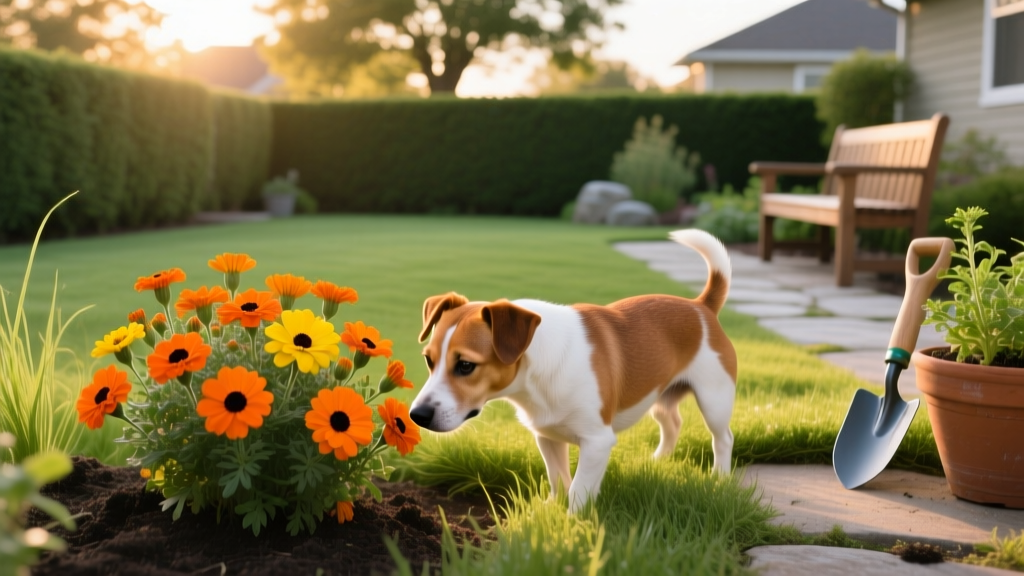
Are Marigolds Poisonous to Dogs? A Pet-Safe Pest Control Guide
The Short Answer: Are Marigolds Poisonous to Dogs?
If you are utilizing companion planting for organic garden pest control, you have likely encountered the marigold. But if you share your yard with a dog, the immediate question is: are marigolds poisonous to dogs? The answer requires a critical botanical distinction. The common garden marigold (Tagetes species) is considered mildly toxic to dogs and cats. Ingestion typically causes gastrointestinal upset, including vomiting, diarrhea, and excessive drooling. While not life-threatening like sago palms or lilies, the sap can also cause contact dermatitis on your dog's skin and paws.
However, the "pot marigold" (Calendula officinalis) is entirely non-toxic and safe for pets. Because both plants share the common name "marigold," gardeners and pet owners frequently confuse them, leading to unnecessary panic or, worse, accidental poisoning. This guide breaks down the exact toxicity profiles, the pest-control trade-offs, and how to dog-proof your garden beds without sacrificing your organic pest management strategy.
Botanical Breakdown: Tagetes vs. Calendula
To manage pests effectively and keep your pets safe, you must know exactly which seed packet you are buying. The pest-deterrent properties that make marigolds famous belong almost exclusively to the Tagetes genus, which carries the mild toxicity risk.
| Feature | African/French Marigold (Tagetes) | Pot Marigold (Calendula officinalis) |
|---|---|---|
| Dog Toxicity | Mildly Toxic (GI upset, dermatitis) | Non-Toxic (Safe, sometimes edible) |
| Pest Control Efficacy | High (Repels nematodes, whiteflies) | Low (Attracts aphids, acts as trap crop) |
| Root Chemistry | Produces alpha-terthienyl (nematicide) | No significant nematicidal properties |
| Scent Profile | Pungent, musky, highly aromatic | Mild, slightly sweet, floral |
| Common Cultivars | Bonanza, Taishan, Queen Sophia | Pacific Beauty, Flashback, Lemon Gem |
Understanding Tagetes Toxicity in Dogs
The mild toxicity of Tagetes patula (French marigold) and Tagetes erecta (African marigold) stems from specific chemical compounds found in the plant's leaves, stems, and flowers. According to the ASPCA Animal Poison Control, these plants contain phototoxic thiophenes and various terpenes. When a dog chews on the foliage, these compounds irritate the mucous membranes of the mouth and the lining of the stomach.
Symptoms of Marigold Ingestion
If your dog manages to snack on your pest-control marigold border, monitor them closely for the following clinical signs, which usually manifest within 2 to 4 hours of ingestion:
- Gastrointestinal Distress: Mild to moderate vomiting and loose stools.
- Hypersalivation: Excessive drooling or lip-smacking due to the bitter, irritating sap.
- Lethargy: Temporary sluggishness as the digestive system processes the irritants.
- Contact Dermatitis: If your dog rolls in the plants or brushes against broken stems, the sap can cause localized redness, itching, and hair loss on their belly or paws.
⚠️ First Aid Protocol: If your dog ingests a large quantity of Tagetes marigolds, remove any plant material from their mouth, offer fresh water, and contact the Pet Poison Helpline or your local emergency veterinarian. Do not induce vomiting unless explicitly instructed by a veterinary professional.
The Pest Control Dilemma: Why We Plant Toxic Marigolds
If Tagetes marigolds are mildly toxic to dogs, why do organic gardeners and landscaping professionals insist on planting them? The answer lies beneath the soil. Tagetes roots exude a chemical called alpha-terthienyl. This compound is a potent, naturally occurring nematicide that suppresses root-knot nematodes (Meloidogyne spp.), microscopic soil worms that destroy the root systems of tomatoes, peppers, and roses.
Furthermore, the pungent above-ground scent of French marigolds masks the volatile organic compounds (VOCs) emitted by your vegetable crops, effectively hiding them from aerial pests like whiteflies, cabbage moths, and aphids. As detailed by the University of Florida IFAS Extension, planting a dense border of Tagetes can reduce soil nematode populations by up to 90% over a single growing season. Giving up this level of organic pest control is a difficult pill to swallow for dedicated gardeners.
How to Dog-Proof Your Marigold Pest Control Beds
You do not have to choose between a nematode-free garden and a safe dog. By implementing specific physical barriers and behavioral deterrents, you can utilize Tagetes marigolds without risking your pet's health.
1. Elevate with Raised Beds
The most reliable method to separate dogs from toxic plants is verticality. Construct raised cedar or composite planter boxes. For small to medium breeds (under 40 lbs), a bed height of 24 inches is generally sufficient to deter casual sniffing and foraging. For large, active breeds like Labrador Retrievers or German Shepherds, increase the height to 36 inches. Ensure the soil is heavily compacted at the base so dogs cannot dig underneath the structure.
2. Install Hardware Cloth Barriers
If you must plant marigolds in ground-level borders, surround the specific bed with 1/2-inch galvanized hardware cloth. Bury the bottom 6 inches of the wire into the soil to prevent digging, and extend it 18 inches above ground. Unlike flimsy plastic garden fencing, hardware cloth withstands the weight of a dog leaning against it and prevents them from pushing their snouts through the gaps to reach the foliage.
🚫 CRITICAL WARNING: Avoid Toxic DIY Deterrents
Many generic gardening blogs recommend sprinkling coffee grounds or using cocoa bean mulch around garden beds to deter dogs with bitter smells. Do not do this. Both coffee grounds and cocoa mulch contain caffeine and theobromine, which are highly toxic to dogs and can cause fatal cardiac arrhythmias and seizures. Stick to physical barriers or pet-safe commercial bitter apple sprays.
Many generic gardening blogs recommend sprinkling coffee grounds or using cocoa bean mulch around garden beds to deter dogs with bitter smells. Do not do this. Both coffee grounds and cocoa mulch contain caffeine and theobromine, which are highly toxic to dogs and can cause fatal cardiac arrhythmias and seizures. Stick to physical barriers or pet-safe commercial bitter apple sprays.
Pet-Safe Alternatives for Garden Pest Control
If physical barriers are not feasible for your landscape design, you can substitute Tagetes marigolds with pet-safe plants that offer robust pest-deterrent properties. These alternatives provide excellent information gain for gardeners looking to maintain an organic, dog-friendly yard.
Rosemary (Salvia rosmarinus)
Pest Target: Cabbage moths, carrot rust flies, and bean beetles.
Dog Safety: Completely non-toxic.
Application: Plant as a perimeter hedge. The strong woody scent confuses the olfactory receptors of flying insects. Rosemary is highly drought-tolerant once established, requiring deep watering only once every two weeks during peak summer.
Sweet Alyssum (Lobularia maritima)
Pest Target: Aphids and spider mites (via biological control).
Dog Safety: Non-toxic.
Application: Sweet alyssum does not repel pests directly; instead, its tiny nectar-rich flowers attract predatory hoverflies and parasitic wasps. These beneficial insects act as natural exterminators, consuming thousands of aphids per day. Broadcast seeds directly into the soil at a rate of 1 ounce per 100 square feet in early spring.
Basil (Ocimum basilicum)
Pest Target: Thrips, tomato hornworms, and mosquitoes.
Dog Safety: Non-toxic (safe in garden quantities).
Application: Interplant basil directly alongside your tomatoes and peppers. The essential oils, specifically eugenol and linalool, act as a powerful spatial repellent for soft-bodied insects. Pinch off flower heads regularly to maintain the production of these pest-repelling oils.
Final Thoughts on Marigolds and Pet Safety
Understanding the botanical reality behind the question "are marigolds poisonous to dogs" allows you to make informed, strategic landscaping decisions. While Tagetes marigolds remain one of the most effective organic tools for managing soil nematodes and masking crop scents, their mild toxicity requires responsible garden management. By utilizing raised beds, avoiding hazardous DIY deterrents like coffee grounds, and integrating pet-safe biological controls like sweet alyssum, you can cultivate a thriving, pest-resistant garden that remains a completely safe haven for your dog.

