
Pest Control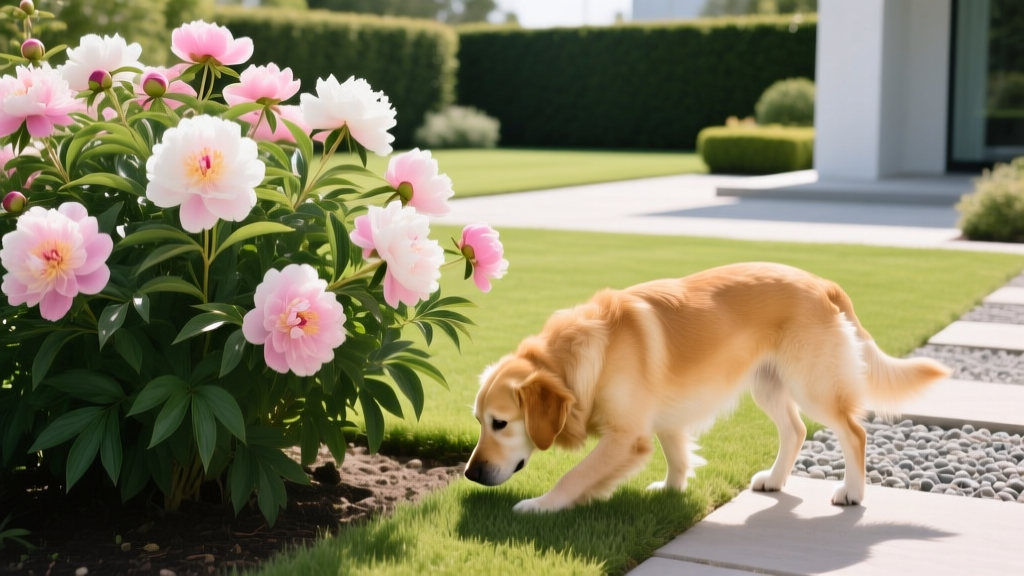
Are Peonies Poisonous to Dogs? Toxicity Symptoms & Garden Safety
The Verdict: Are Peonies Poisonous to Dogs?
Yes, peonies (Paeonia lactiflora and Paeonia suffruticosa) are toxic to dogs. While they are not typically fatal, ingestion can cause significant gastrointestinal distress and systemic discomfort. The toxicity is primarily driven by a chemical compound called paeonol, which is present throughout the plant but heavily concentrated in the roots and bark. For homeowners managing garden hazards alongside traditional pest control, understanding the exact risk profile of popular ornamental plants is critical for maintaining a safe outdoor environment for pets.
According to the ASPCA's Toxic and Non-Toxic Plants database, peonies are officially classified as toxic to dogs, cats, and horses. The severity of the reaction depends heavily on the volume ingested, the size of the dog, and which part of the plant was consumed. A 50-pound Labrador eating a single dropped petal will likely experience no symptoms, whereas a 10-pound Terrier digging up and chewing on the root system requires immediate veterinary intervention.
The Toxic Culprit: Understanding Paeonol
Paeonol is a phenolic compound that acts as a natural defense mechanism for the peony plant, deterring herbivores and botanical pests. In canines, paeonol acts as a direct gastrointestinal irritant and can cause mild central nervous system depression.
⚠️ Hazard Warning: Root vs. Petal Toxicity
The concentration of paeonol is not uniform across the plant. The roots and the woody bark of tree peonies contain the highest toxicity levels. If your dog is digging in the garden and unearthing peony tubers, the risk of severe poisoning increases exponentially compared to simply grazing on fallen flower petals.
When a dog metabolizes paeonol, the compound irritates the mucosal lining of the stomach and intestines. This triggers the vagus nerve, leading to the rapid onset of emesis (vomiting) as the body attempts to expel the irritant. Unlike more severe garden hazards like sago palm (which causes acute liver failure) or oleander (which causes cardiac arrest), peony toxicity is generally self-limiting, provided the dog does not become severely dehydrated from prolonged vomiting.
Symptom Identification: What to Watch For
Symptoms of peony poisoning typically manifest within 2 to 6 hours of ingestion. Because the clinical signs overlap with many common canine gastrointestinal issues (such as dietary indiscretion or garbage gut), you must correlate the symptoms with your dog's access to the garden.
Primary Clinical Signs
- Vomiting: Often the first sign, sometimes containing visible plant matter or pinkish mucosal lining.
- Diarrhea: Usually soft to liquid, occurring 4 to 8 hours post-ingestion as the irritant moves through the lower GI tract.
- Hypersalivation (Drooling): A direct response to the bitter taste of paeonol and mild nausea.
- Lethargy and Depression: The dog may appear unusually quiet, reluctant to play, or may hide in cool, dark areas of the house.
Severity Matrix by Dog Size and Plant Part
| Dog Weight | Part Ingested | Expected Severity | Recommended Action |
|---|---|---|---|
| Under 20 lbs | Roots / Bark | Severe (High Risk of Dehydration) | Immediate Emergency Vet Visit |
| Under 20 lbs | Leaves / Petals | Moderate (Vomiting/Diarrhea) | Call Vet / Monitor Closely |
| 20 - 60 lbs | Roots / Bark | Moderate | Call Vet / Monitor Closely |
| 20 - 60 lbs | Leaves / Petals | Mild (Brief Upset Stomach) | Monitor at Home / Fasting |
| Over 60 lbs | Any Part | Mild to None | Monitor at Home |
Emergency Protocol: Steps to Take Immediately
🚨 Step-by-Step Ingestion Response
- Remove Access: Immediately pull the dog away from the peony bed and secure them indoors.
- Identify the Volume: Check the plant for bite marks and estimate how much was consumed. Note if the roots were disturbed.
- Do NOT Induce Vomiting at Home: Unless explicitly instructed by a veterinarian, do not use hydrogen peroxide. Improper dosing can cause severe gastric ulceration or aspiration pneumonia.
- Contact Poison Control: Call the Pet Poison Helpline or the ASPCA Animal Poison Control Center. Have your dog's exact weight and the time of ingestion ready.
- Collect a Sample: Bring a sample of the chewed plant (including any dug-up root) to the vet clinic for positive identification.
Veterinary Treatment & Expected Costs
There is no specific antidote for paeonol toxicity. Veterinary care focuses entirely on symptomatic relief, gastrointestinal protection, and hydration support. Based on current 2026 veterinary pricing averages, here is what you can expect regarding treatment protocols and out-of-pocket costs.
| Treatment Modality | Medication / Procedure | Purpose | Estimated Cost Range |
|---|---|---|---|
| Office Exam & Triage | Physical assessment, vitals | Determine dehydration level and toxicity severity | $75 - $125 |
| Anti-Emetics | Maropitant (Cerenia) injection | Stops vomiting by blocking NK-1 receptors in the brain | $40 - $85 |
| Gastric Protectants | Sucralfate or Omeprazole | Coats and soothes the irritated stomach lining | $25 - $50 |
| IV Fluid Therapy | Lactated Ringer's Solution | Rehydrates the dog and flushes systemic toxins | $150 - $300 |
| Induced Emesis (If early) | Apomorphine injection | Safely empties stomach if ingestion was < 2 hours ago | $60 - $95 |
Note: Total emergency visits for small dogs requiring IV fluids and overnight monitoring can exceed $800. Pet insurance policies with accident/illness coverage typically reimburse 70-90% of these costs, provided the policy was active prior to the incident.
Dog-Proofing Your Garden: Barrier & Design Tactics
If you refuse to sacrifice your established peony beds, you must implement physical and behavioral barriers. Relying on taste deterrents (like bitter apple sprays) is ineffective outdoors, as rain and irrigation wash the compounds away within 48 hours. Instead, utilize structural landscaping modifications.
Physical Barrier Specifications
- Subsurface Root Guards: If your dog is a digger, bury 19-gauge galvanized chicken wire (1-inch hexagonal mesh) horizontally 4 inches beneath the soil surface around the peony root zone. This prevents access to the highly toxic tubers without harming the plant's upward growth.
- Above-Ground Fencing: Install decorative metal garden edging or wire cloches. For small terriers, a 24-inch tall barrier is sufficient. For larger breeds that might lean or step over, use 36-inch wrought iron or vinyl garden fencing.
- Raised Planter Boxes: Relocate peonies to raised cedar or composite beds. The bed must be at least 30 inches high to prevent medium-to-large dogs from reaching over the edge while standing on their hind legs.
Sensory Deterrent Landscaping
Surround the base of your peonies with plants that dogs naturally avoid due to texture or scent. Prickly groundcovers like Rosa rugosa (rugosa rose) or rough-textured ornamental grasses create a natural, non-toxic perimeter that discourages dogs from entering the flower bed to investigate.
Safe Floral Alternatives to Peonies
For homeowners who prefer to eliminate the risk entirely, several dog-safe plants offer the same lush, voluminous blooms and romantic garden aesthetic as peonies. The Pet Poison Helpline recommends verifying all new plantings, as nursery tags often misidentify cultivars.
| Safe Alternative | Botanical Name | Aesthetic Similarity | Light & Soil Requirements |
|---|---|---|---|
| Double Tulips | Tulipa (Double Late varieties) | Peony-like ruffled petals, heavy blooms | Full sun, well-draining loam (Note: Toxic to cats, safe for dogs) |
| Astilbe | Astilbe x arendsii | Feathery, dense plumes, fern-like foliage | Partial to full shade, moisture-retentive soil |
| Double Begonias | Begonia x tuberhybrida | Thick, layered petals in pinks and whites | Shade to partial sun, rich organic soil |
| Zinnias | Zinnia elegans (Dahlia-flowered) | Large, domed flower heads, vibrant colors | Full sun, tolerant of poor soils and drought |
By understanding the specific biochemical risks of paeonol and implementing targeted garden architecture, you can maintain a stunning landscape without compromising your dog's health. Always consult your local university extension office, such as the University of Minnesota Extension, for region-specific guidance on cultivating both toxic and non-toxic ornamentals safely.

