
Pest Control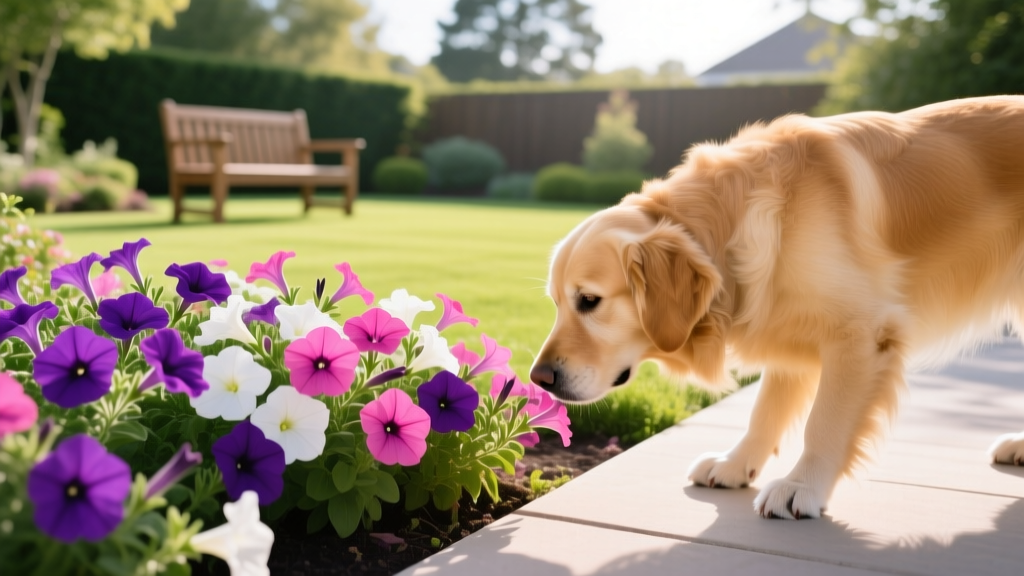
Are Petunias Poisonous to Dogs? Garden & Pest Safety Guide
When designing a dog-friendly landscape, homeowners frequently ask: are petunias poisonous to dogs? The short answer is no. True petunias (Petunia x hybrida) do not contain toxic alkaloids, glycosides, or saponins that pose a systemic threat to canines. According to the ASPCA, petunias are officially classified as non-toxic to dogs, cats, and horses.
However, classifying the plant as "safe" only tells half the story. In the context of garden maintenance and pest control, the primary danger to your dog is rarely the petunia itself. The real threats lurk in the chemical pesticides, systemic insecticides, and toxic soil amendments routinely applied to these heavy-feeding annuals to keep them blooming. Furthermore, highly toxic botanical look-alikes are frequently misidentified as petunias by home gardeners.
The Toxicity Profile of Petunia x hybrida
If your dog grazes on a standard petunia, the plant matter will pass through their digestive tract without triggering a toxicological emergency. Dogs lack the enzymes to break down large amounts of cellulose, meaning ingestion of excessive foliage or blooms may result in mild, self-limiting gastrointestinal upset. Symptoms of simple plant indigestion include a single episode of vomiting or soft stool, usually resolving within 12 to 24 hours without veterinary intervention.
⚠️ WARNING: The Toxic Look-Alike Threat
Do not confuse petunias with Datura stramonium (Jimsonweed) or Brugmansia (Angel's Trumpet). These plants produce similar trumpet-shaped flowers but contain highly toxic tropane alkaloids (scopolamine and hyoscyamine). Ingestion of Datura causes severe anticholinergic toxicity in dogs, leading to tachycardia, hallucinations, hyperthermia, and potentially fatal seizures. Always verify plant identification at the nursery before bringing home "trumpet" flowers.
The Hidden Danger: Pesticides and Systemic Treatments
Petunias are notorious magnets for specific garden pests, most notably the tobacco budworm (Helicoverpa virescens), aphids, and slugs. To protect their blooms, gardeners often deploy aggressive chemical controls. It is these pest management products—not the plant tissue—that make a petunia bed lethal to dogs.
Petunia Pest Control Matrix: Toxic vs. Pet-Safe
Understanding the active ingredients in your garden shed is critical. Below is a breakdown of conventional petunia pest treatments and their canine toxicity profiles, paired with effective, pet-safe alternatives.
| Pest Target | Conventional (Toxic) Treatment | Canine Hazard Profile | Pet-Safe Alternative |
|---|---|---|---|
| Slugs & Snails | Metaldehyde Bait | Extreme. Causes severe tremors, seizures, and hyperthermia. Often fatal without immediate vet care. | Iron Phosphate granules (e.g., Sluggo). Safe for pets and breaks down into soil fertilizer. |
| Tobacco Budworms | Carbaryl (Sevin Dust) or Spinosad (high doses) | Moderate to High. Carbaryl is a carbamate insecticide causing cholinergic toxicity (salivation, muscle fasciculations). | Bacillus thuringiensis var. kurstaki (Bt). Targets only caterpillars; completely harmless to mammals. |
| Aphids & Whiteflies | Systemic Imidacloprid (e.g., BioAdvanced) | Moderate. Translocates into plant tissue. Dogs chewing treated leaves ingest neonicotinoids, risking neurological tremors. | Insecticidal soaps (Potassium salts of fatty acids) or Neem oil applied at dusk to avoid leaf burn. |
The Metaldehyde Epidemic
Slug damage on petunias manifests as large, irregular holes in the leaves and decimated flower buds. The traditional fix is metaldehyde slug bait, which smells like molasses or peanut butter to attract slugs. Unfortunately, this scent also attracts dogs. According to the Pet Poison Helpline, metaldehyde ingestion is a top-tier emergency. The toxic dose for dogs is remarkably low (approx. 100-200 mg/kg), and symptoms can onset within 30 minutes. If you must treat slugs around pets, exclusively use iron phosphate-based baits, which disrupt the slug's calcium metabolism without harming vertebrate biology.
Pet-Safe Pest Management Framework for Petunia Beds
Maintaining pristine petunias in a yard with free-roaming dogs requires a shift from reactive chemical spraying to proactive biological and cultural controls. Implement this three-tier framework to manage pests safely.
- Cultural Prevention (The First Line of Defense): Petunias require full sun and well-draining soil. Overwatering creates the damp environment that attracts slugs and fungus gnats. Water your petunias at the base using a drip line or soaker hose rather than overhead sprinklers. Keep the foliage dry to prevent botrytis blight and deter moisture-loving pests.
- Biological Intervention: For caterpillar infestations (budworms), mix 1 tablespoon of Bt (Bacillus thuringiensis) per gallon of water and spray the petunia foliage and buds at the first sign of frass (caterpillar droppings) or bud damage. Bt produces crystalline proteins that rupture the alkaline gut lining of lepidopteran larvae but are entirely inert in the acidic stomach of a dog.
- Physical Deterrents: To protect newly planted petunia seedlings from both slugs and curious digging dogs, install a temporary physical barrier. Use 1-inch hexagonal poultry wire laid flat over the soil surface around the root zone. Slugs struggle to cross the sharp wire edges, and dogs are deterred from digging in the mulch.
Fertilizer and Mulch Hazards in the Flowerbed
Pest control extends beyond insects; it encompasses managing the environment to prevent toxic exposures. Petunias are heavy feeders, requiring regular fertilization to sustain their prolific blooms. The type of fertilizer and mulch you choose directly impacts your dog's safety.
- Bone Meal and Blood Meal: These organic, nitrogen-and-phosphorus-rich fertilizers are highly attractive to dogs due to their residual meat scents. If a dog ingests a large quantity of bone meal, it can form a concrete-like mass in the stomach, leading to severe gastrointestinal obstruction requiring surgical removal. Furthermore, blood meal can cause iron toxicity and acute pancreatitis.
- Cocoa Bean Hull Mulch: Often used in ornamental beds for its rich color and weed-suppressing qualities, cocoa mulch contains theobromine and caffeine—the same methylxanthines found in chocolate. Depending on the concentration, ingestion can cause vomiting, diarrhea, hyperactivity, and cardiac arrhythmias in dogs.
- The Safe Alternative: Use untreated, natural cedar or pine bark mulch. Cedar contains natural oils (thujone) that mildly repel certain insects like moths and ticks, offering a secondary pest-control benefit while remaining non-toxic if your dog decides to chew on a wood chip. For fertilizer, opt for synthetic, water-soluble liquid feeds (like a balanced 10-10-10 NPK) applied directly to the soil, watering it in immediately so no residue remains on the surface.
Emergency Triage: Plant Indigestion vs. Pesticide Poisoning
If you catch your dog eating from the petunia bed, accurately triaging the situation prevents unnecessary panic while ensuring rapid response to genuine threats. Use the UC Statewide Integrated Pest Management Program guidelines for garden safety to assess the environment.
When to Monitor at Home
If you are 100% certain your petunias have not been treated with systemic pesticides, metaldehyde, or toxic organic fertilizers, and your dog has merely eaten a few flowers, monitor them at home. Provide plenty of fresh water. A single, isolated vomit containing plant matter is a normal mechanical response to eating indigestible fiber. If their energy levels remain normal and their gums are a healthy pink, no veterinary visit is required.
When to Rush to the Emergency Vet
If you have applied any chemical pest controls within the last 14 days, or if you observe any of the following neurological or systemic symptoms, treat it as a toxicological emergency:
- Ataxia (loss of coordination or stumbling)
- Severe muscle tremors or fasciculations
- Hypersalivation (excessive, thick drooling)
- Hyperthermia (panting heavily, hot to the touch)
- Dilated pupils or unresponsiveness
Immediately contact the ASPCA Animal Poison Control Center (888-426-4435) or the Pet Poison Helpline (855-764-7661). Be prepared to provide the exact name and active ingredient of any pest control product used in the garden, the estimated amount ingested, and your dog's current weight. Bring the product label with you to the veterinary clinic to expedite the administration of the correct antidote or supportive care protocol.

