
Pest Control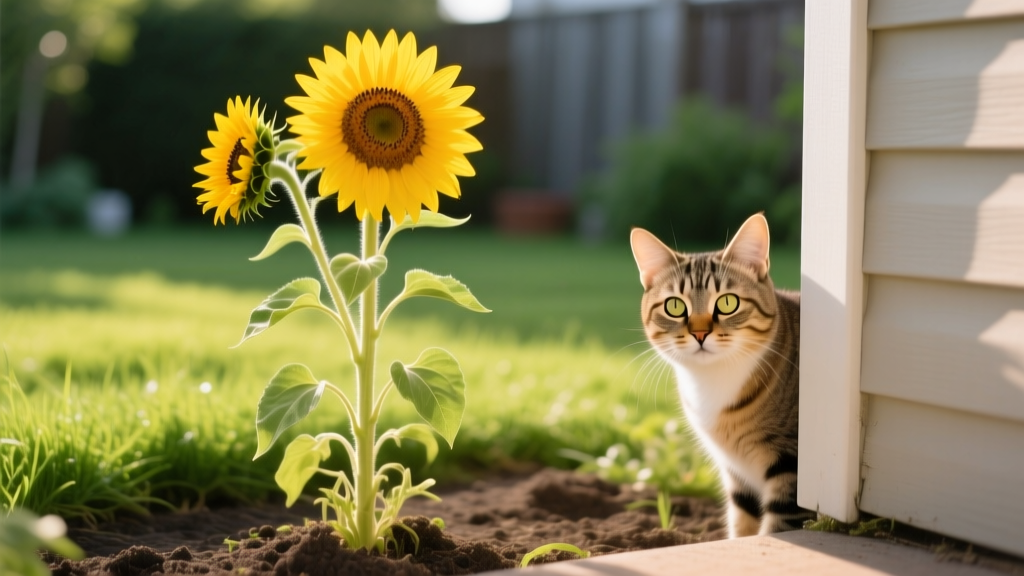
Are Sunflowers Poisonous to Cats? A Feline Garden Safety Guide
The Short Answer: Are Sunflowers Poisonous to Cats?
When managing a garden that doubles as a feline playground, plant toxicity is a primary concern for homeowners. If you are asking, are sunflowers poisonous to cats, the botanical answer is no. True sunflowers (Helianthus annuus) are entirely non-toxic to felines. According to the ASPCA's Toxic and Non-Toxic Plants database, ingestion of sunflower petals, leaves, or stems will not cause systemic poisoning, organ failure, or neurological damage in cats or dogs.
🌻 Quick Verdict: The Helianthus annuus plant contains no known toxic principles (such as alkaloids, glycosides, or saponins) that threaten feline health. However, secondary hazards in the garden environment can turn this safe plant into a veterinary emergency.
While the plant itself is safe, the context of how sunflowers are grown, maintained, and consumed introduces severe secondary risks. As a garden manager and pet owner, you must look beyond basic plant toxicity to understand the mechanical, chemical, and nutritional dangers associated with sunflower cultivation.
The Hidden Dangers: When Sunflowers Become a Threat
The danger of sunflowers in a cat-friendly garden rarely comes from the plant's natural biology. Instead, it stems from human intervention and feline digestive mechanics.
1. Systemic Pesticides and Neonicotinoids
Commercially grown sunflowers, particularly those purchased from big-box garden centers in the spring, are frequently pre-treated with systemic insecticides to prevent aphid and whitefly infestations. The most common chemical used is Imidacloprid, a neonicotinoid. Because it is systemic, the chemical is absorbed into the plant's vascular tissue. You cannot wash it off the leaves or petals.
If a cat chews on an Imidacloprid-treated sunflower leaf, they ingest the neurotoxin. Symptoms of neonicotinoid toxicity in felines include:
- Hypersalivation and drooling
- Muscle tremors and ataxia (loss of coordination)
- Vomiting and lethargy
- In severe cases, seizures and respiratory failure
Actionable Fix: Never bring nursery-bought sunflowers directly into a cat-accessible garden. Grow your sunflowers from certified organic, untreated seeds (such as those from Johnny's Selected Seeds or Baker Creek Heirloom Seeds) to guarantee a zero-pesticide baseline.
2. The Seed and Pancreatitis Link
Sunflower seeds, particularly the black oil varieties favored by wild birds, pose a significant nutritional threat to cats. While not 'toxic' in the traditional sense, they are dangerously high in fat. Black oil sunflower seeds contain approximately 50% fat by weight. A standard 10-pound domestic shorthair requires roughly 200 to 250 calories a day, with fat comprising no more than 20% of that intake.
If a cat forages dropped sunflower seeds from the base of the plant and consumes even a small handful (about 1 ounce, containing 16 grams of fat), it can trigger acute gastrointestinal upset or feline pancreatitis. The feline pancreas is highly sensitive to sudden spikes in dietary fat, leading to severe inflammation, abdominal pain, and dangerous dehydration. VCA Animal Hospitals notes that dietary indiscretion involving high-fat foods is a primary catalyst for pancreatitis flare-ups in susceptible cats.
3. Mechanical Blockages from Fibrous Stalks
Mature sunflower stalks are incredibly fibrous, covered in coarse trichomes (tiny hair-like structures). If a cat chews and swallows long strands of the stalk, it acts similarly to a linear foreign body (like string or grass). The fibrous material can bunch up in the intestines, causing a mechanical gastrointestinal obstruction that requires surgical intervention to resolve.
Toxic Garden Look-Alikes to Watch Out For
Novice gardeners and foraging cats can easily confuse true sunflowers with other broad-leafed or brightly petaled garden plants. Misidentification is a leading cause of accidental pet poisoning. Ensure your garden does not contain these toxic imposters:
| Common Name | Scientific Name | Toxic Principle | Danger Level |
|---|---|---|---|
| Autumn Crocus | Colchicum autumnale | Colchicine alkaloids | Critical / Fatal |
| Common Ragwort | Jacobaea vulgaris | Pyrrolizidine alkaloids | High (Liver Failure) |
| Heliotrope | Heliotropium arborescens | Pyrrolizidine alkaloids | Moderate to High |
| True Sunflower | Helianthus annuus | None | Safe (Non-Toxic) |
How to Cat-Proof Your Sunflower Garden
Creating a safe perimeter around your sunflower patch requires addressing both the physical environment and the chemical inputs you use to maintain the plants.
- Eliminate Bone Meal Fertilizers: Many gardeners use bone meal (N-P-K 3-15-0) to boost sunflower blooms. The rendered animal scent is highly attractive to cats. If ingested, bone meal forms a dense, cement-like bolus in the feline stomach, leading to severe GI obstruction. Switch to liquid kelp extract or composted plant-based manure.
- Deploy Physical Cloches: During the seedling stage, protect young sunflowers (and your cat) using 1-inch hexagonal chicken wire cloches. This prevents cats from using the loose, freshly tilled soil as a litter box, which can introduce harmful parasites like Toxoplasma gondii into your garden ecosystem.
- Use Pet-Safe Pest Control: Aphids love sunflower stems. Avoid synthetic pyrethroids (like permethrin), which are highly toxic and potentially fatal to cats even through secondary contact. Instead, apply a 1% insecticidal soap spray or introduce live ladybugs (Coccinellidae) for biological pest control, aligning with the EPA's Safe Pest Control guidelines for minimizing household chemical exposure.
- Harvest Seed Heads Early: If you are growing sunflowers for aesthetics rather than bird feed, snip the seed heads before they mature and drop. This eliminates the pancreatitis risk associated with foraging cats eating high-fat black oil seeds off the soil.
Emergency Protocol: What to Do If Your Cat Eats a Sunflower
If you catch your cat chewing on a sunflower, do not panic, but follow this structured triage protocol to ensure their safety:
⚠️ Step 1: Identify the Source
Determine if the sunflower was grown organically from seed at home, or if it is a commercial nursery plant. Locate the plant tag to check for systemic pesticide warnings.
Determine if the sunflower was grown organically from seed at home, or if it is a commercial nursery plant. Locate the plant tag to check for systemic pesticide warnings.
Step 2: Remove Plant Matter
Gently wipe your cat's mouth with a damp cloth to remove any fibrous stalk material or loose seeds that could cause choking or esophageal scratching.
Step 3: Monitor for 24 Hours
If the plant is confirmed to be an untreated Helianthus annuus, monitor your cat for mechanical GI issues. Watch for repeated vomiting, refusal to eat, or straining in the litter box. A single episode of vomiting a leaf fragment is normal; repeated dry heaving indicates a potential blockage.
Step 4: Contact Poison Control if Chemicals are Suspected
If you suspect the plant was treated with Imidacloprid or any unknown agricultural chemical, contact the ASPCA Animal Poison Control Center immediately at (888) 426-4435 or the Pet Poison Helpline at (855) 764-7661. Have the plant tag or seed packet ready to provide exact chemical ingredients to the veterinary toxicologist.
Frequently Asked Questions
Can cats eat sunflower oil?
Pure, cold-pressed sunflower oil is non-toxic to cats and is sometimes used as a dietary supplement for coat health. However, it must be dosed strictly by a veterinarian (usually no more than 1/4 teaspoon for an average cat). Over-supplementation leads to caloric surplus, obesity, and lipid-induced gastrointestinal distress.
Are sunflower hulls dangerous?
Yes. The sharp, fibrous outer shells (hulls) of sunflower seeds do not break down in the feline digestive tract. If ingested in quantity, they can cause micro-lacerations in the intestinal lining or contribute to severe constipation and impaction.
Do sunflowers attract pests that harm cats?
Sunflowers can attract spiders, wasps, and certain beetles. While a spider bite is generally harmless, a sting from a wasp attracted to the sunflower's nectar can cause localized swelling or, in rare cases, feline anaphylaxis. Regularly inspect the undersides of sunflower leaves for wasp nests and remove them safely without using aerosol chemical sprays.

