
Pest Control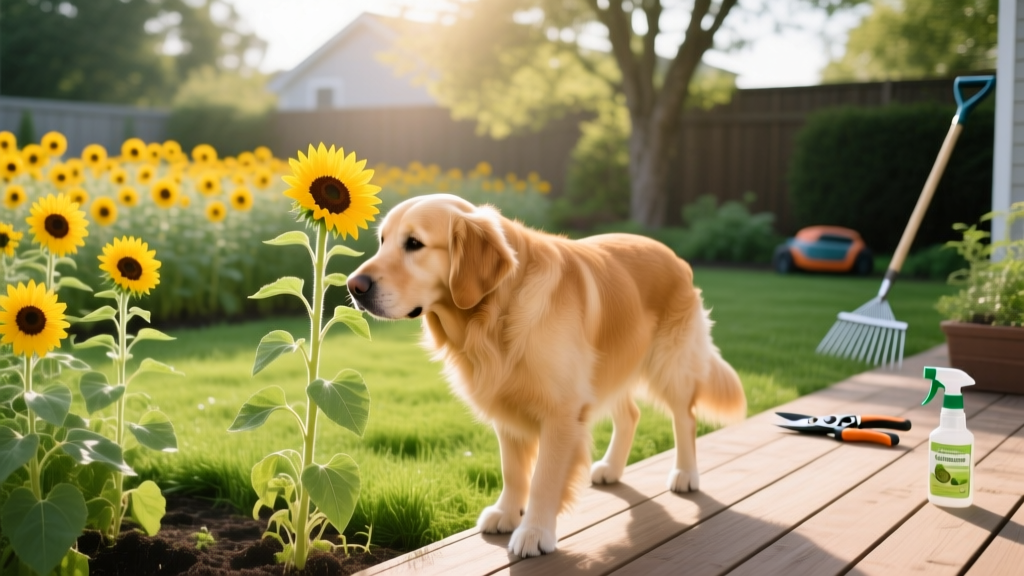
Are Sunflowers Poisonous to Dogs? A Vet-Backed Safety Guide
The Short Answer: Are Sunflowers Poisonous to Dogs?
The common sunflower (Helianthus annuus) is entirely non-toxic to dogs. If your pet nibbles on a fallen petal, chews on a green leaf, or ingests a few raw, unsalted sunflower seeds, they will not suffer from systemic poisoning. The ASPCA's non-toxic plant directory officially classifies sunflowers as safe for canines, felines, and equines.
However, asking 'are sunflowers poisonous to dogs' only addresses the plant's biological makeup. From a pest control and garden management perspective, the sunflower itself is rarely the culprit when a dog falls ill. The true dangers lurking in your sunflower bed are the synthetic pesticides, toxic fertilizers, sharp seed shells, and fungal spores that accumulate on and around the plant.
⚠ Garden Hazard Warning: The majority of veterinary emergencies related to sunflowers are caused by secondary chemical exposure, not the plant tissue. If your dog has eaten a sunflower and is showing neurological or severe gastrointestinal symptoms, assume pesticide toxicity and contact a pet poison helpline immediately.
The Hidden Dangers: Pesticides and Garden Chemicals
Sunflowers are heavy feeders and highly attractive to a wide range of garden pests, including aphids, sunflower beetles, cutworms, and slugs. To protect their blooms, many gardeners apply aggressive chemical treatments. When a dog ingests a treated leaf or licks residue off a sunflower stalk, they are exposed to concentrated neurotoxins.
High-Risk Active Ingredients to Avoid
If you are growing sunflowers in a yard accessible to dogs, you must audit your pest control arsenal. The following active ingredients are frequently used on ornamental flowers but pose severe risks to canines:
| Chemical Class | Common Active Ingredient | Target Pest | Canine Toxicity Profile |
|---|---|---|---|
| Neonicotinoids | Imidacloprid | Aphids, Whiteflies | Tremors, ataxia, lethargy, and seizures in high doses. |
| Pyrethroids | Bifenthrin, Permethrin | Beetles, Caterpillars | Hypersalivation, vomiting, muscle fasciculations, and hyperthermia. |
| Molluscicides | Metaldehyde | Slugs, Snails | Lethal. Causes severe seizures, respiratory failure, and death within hours. |
| Organophosphates | Acephate | Borers, Weevils | SLUDDE syndrome (salivation, lacrimation, urination, defecation, GI upset, emesis). |
For comprehensive data on how specific garden pesticides affect pets, the UC Agriculture and Natural Resources integrated pest management guidelines provide detailed environmental and mammalian toxicity breakdowns for common garden chemicals.
Physical and Fungal Hazards in the Sunflower Bed
Beyond synthetic chemicals, the physical structure of the sunflower and its lifecycle present unique mechanical and biological hazards to foraging dogs.
The Seed Shell Choking and Blockage Risk
While the inner kernel of a sunflower seed is safe and rich in healthy fats, the rigid, fibrous black-and-white striped hulls are indigestible. If a dog consumes a large volume of fallen seeds still in their shells, the sharp edges can cause micro-lacerations in the esophagus and stomach lining. Furthermore, the bulk accumulation of these shells can form a bezoar (a solid mass of indigestible material) leading to a life-threatening gastrointestinal blockage that requires surgical intervention.
Mold and Mycotoxins on Rotting Heads
In late autumn, heavy rain can cause mature sunflower heads to droop and retain moisture. This creates an ideal breeding ground for Sclerotinia sclerotiorum (white mold) and various Aspergillus species. If a dog chews on a moldy, rotting sunflower head, they risk ingesting tremorgenic mycotoxins. Symptoms of mycotoxin poisoning include severe muscle tremors, uncoordinated movement, and rapid heart rate, often mimicking the symptoms of synthetic pesticide poisoning.
Dog-Proofing Your Sunflower Garden: A Step-by-Step Framework
You do not need to sacrifice your garden's aesthetics to keep your dog safe. Implement this pest-control and garden-design framework to cultivate sunflowers without risking canine health.
- Install Physical Root and Stalk Barriers: Bury 36-inch wide, 1/2-inch galvanized hardware cloth around the perimeter of your sunflower bed. Fold the bottom 12 inches outward in an L-shape underground to prevent digging dogs from uprooting the shallow sunflower taproots and accessing the soil.
- Switch to Pet-Safe Pest Control: Replace synthetic pyrethroids with Spinosad-based sprays. Spinosad is derived from soil bacteria and is highly effective against sunflower beetles and caterpillars. Once the liquid spray has completely dried on the foliage (usually 2-4 hours), it is generally considered safe for pets to be around.
- Use Iron Phosphate Slug Bait: Never use metaldehyde near pets. Switch to iron phosphate-based slug pellets (e.g., Sluggo). Iron phosphate breaks down into natural soil nutrients and is non-toxic to dogs even if ingested in small quantities.
- Harvest and Deadhead Promptly: Cut drooping, mature flower heads before heavy autumn rains set in. Removing the heads prevents mold growth and stops the plant from dropping thousands of sharp, indigestible seed shells onto the grass where your dog plays.
💡 Pro-Tip on Diatomaceous Earth (DE): Many gardeners use DE for pest control around sunflowers. Ensure you are buying strictly Food-Grade DE (amorphous silica). Never use Pool-Grade or Filter-Grade DE, which contains crystalline silica and is highly toxic to both human and canine lungs if inhaled. Even with food-grade DE, apply it only on calm days and keep dogs away until the dust fully settles to prevent respiratory irritation.
Emergency Protocol: What to Do If Your Dog Eats a Treated Sunflower
If you suspect your dog has ingested a sunflower treated with an unknown pesticide, or has consumed a moldy seed head, time is critical.
- Do Not Induce Vomiting: Unless explicitly instructed by a veterinarian, do not use hydrogen peroxide to induce vomiting. If the plant was treated with a caustic chemical or a petroleum-based pesticide adjuvant, vomiting can cause severe secondary burns to the esophagus or lead to aspiration pneumonia.
- Collect the Evidence: Snip a piece of the sunflower head, stalk, and any nearby discarded pesticide packaging. Place them in a sealed plastic bag. The veterinary toxicologist will need the exact active ingredient and concentration to formulate an antidote or treatment plan.
- Contact Poison Control: Call the ASPCA Animal Poison Control Center (APCC) at (888) 426-4435 or the Pet Poison Helpline at (855) 764-7661. Be prepared to provide your dog's exact weight, the time of ingestion, and the specific chemical name from your garden product label.
Frequently Asked Questions
Can dogs eat raw sunflower seeds from the garden?
Yes, the raw kernels are safe and non-toxic. However, you must remove the hard, fibrous outer shells first. The shells pose a severe choking hazard and can cause intestinal blockages or gastrointestinal micro-tears if swallowed in large quantities.
Are sunflower leaves and stems toxic?
No, the leaves, stems, and petals of Helianthus annuus contain no known toxins harmful to dogs. If a dog eats a large volume of the fibrous stalks, they may experience mild, self-limiting gastrointestinal upset (vomiting or diarrhea) simply due to the high roughage content, not from poisoning.
Is sunflower oil safe for dogs?
Pure, cold-pressed sunflower oil is safe and frequently used as a dietary supplement to improve canine coat health due to its high linoleic acid content. Ensure the oil is unseasoned and not mixed with garlic or onion derivatives, which are highly toxic to dogs.

