Pest Control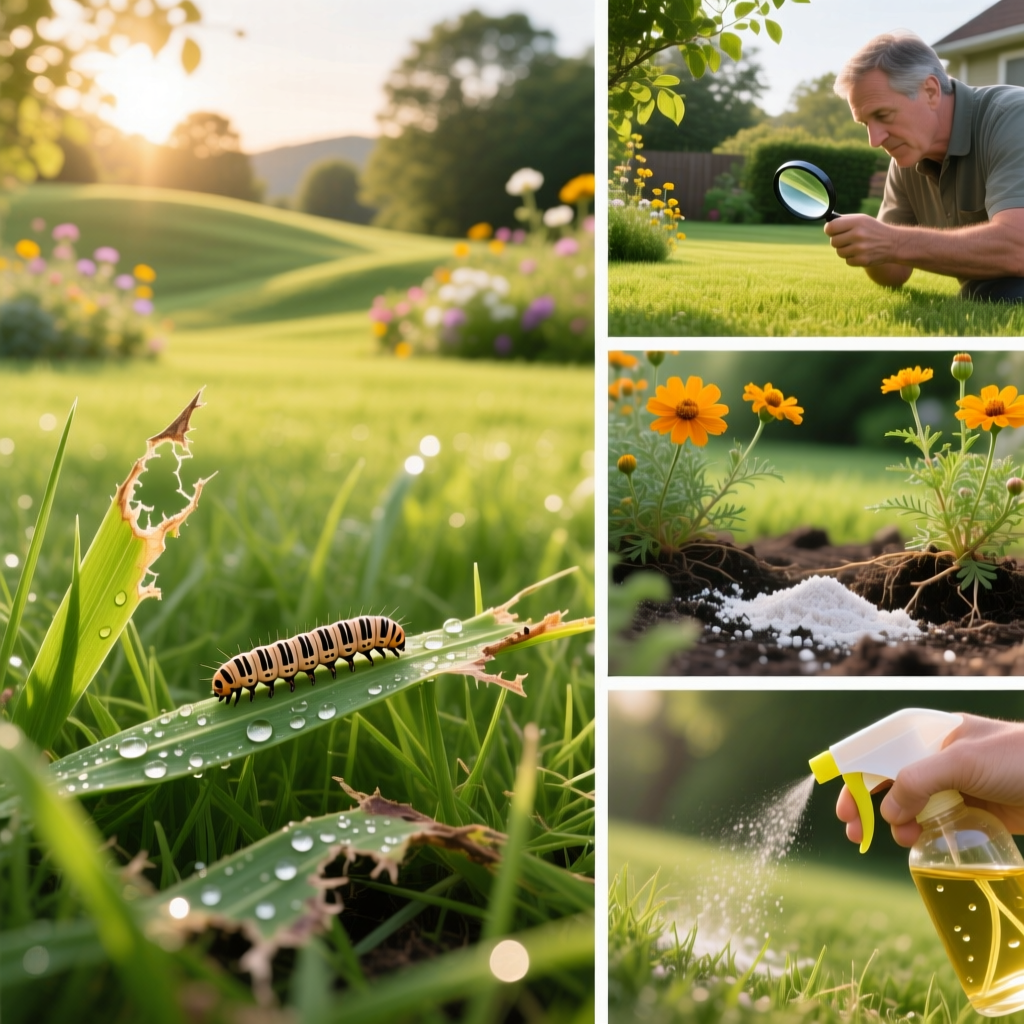
Armyworm Control: How to Identify, Prevent, and Eliminate
Effective Armyworm Control in Lawns: A Comprehensive Guide
TL;DR: Armyworms can devastate lawns, but with the right strategies, you can prevent and control infestations. This guide covers identification, prevention, and treatment methods, including natural and chemical options.
Understanding Armyworms in Lawns
Armyworms are a common pest that can cause significant damage to lawns, especially during the late summer and early fall. These caterpillars, which eventually become moths, feed on grass blades, leaving brown patches and bare spots. The primary audience for this guide includes homeowners, gardeners, and lawn care professionals who want to protect their lawns from armyworm infestations.
Identifying Armyworm Damage
Armyworms can be identified by the following signs:
- Brown, irregularly shaped patches in the lawn
- Grass blades that appear chewed or ragged
- Visible caterpillars, usually green or brown, up to 1.5 inches long
Preventing Armyworm Infestations
Prevention is key to managing armyworms. Here are some effective strategies:
- Regular Mowing: Keep your lawn mowed to a height of 2-3 inches. This makes it less attractive to armyworms.
- Proper Watering: Water your lawn deeply but infrequently, promoting strong, healthy grass roots.
- Fertilization: Use a balanced fertilizer to maintain a healthy lawn. Over-fertilizing can attract pests.
- Natural Predators: Encourage the presence of natural predators like birds, wasps, and ground beetles.
Treating Armyworm Infestations
If you notice an armyworm infestation, prompt action is necessary. Here are some treatment options:
Natural Methods
For those who prefer natural solutions, consider the following:
- Neem Oil: Apply neem oil, a natural insecticide, to the affected areas. It disrupts the feeding and reproductive cycles of armyworms.
- Bacillus thuringiensis (Bt): Bt is a bacterium that is toxic to armyworms but safe for humans and pets. Apply it to the lawn as directed.
Chemical Methods
If natural methods are not sufficient, chemical treatments may be necessary. Some effective options include:
- Insecticides: Use products containing bifenthrin or permethrin. Follow the manufacturer's instructions carefully to ensure safety and effectiveness.
- Granular Insecticides: Apply granular insecticides, such as those containing carbaryl, to the affected areas. Water the lawn after application to activate the product.
Comparison of Treatment Options
| Method | Effectiveness | Cost | Safety |
|---|---|---|---|
| Neem Oil | Moderate | $10-$20 per gallon | High |
| Bacillus thuringiensis (Bt) | High | $15-$30 per pound | High |
| Insecticides (bifenthrin, permethrin) | Very High | $20-$40 per gallon | Moderate |
| Granular Insecticides (carbaryl) | High | $15-$30 per bag | Moderate |
Practical Tools: Armyworm Control Checklist
Checklist for Effective Armyworm Control
- Inspect lawn weekly for signs of armyworm activity.
- Mow lawn to 2-3 inches high.
- Water lawn deeply but infrequently.
- Apply a balanced fertilizer every 6-8 weeks.
- Use neem oil or Bt for natural control.
- Consider chemical insecticides if natural methods fail.
- Follow up with regular inspections and maintenance.
FAQs: Armyworm Control in Lawns
Q: How often should I inspect my lawn for armyworms?
A: Inspect your lawn weekly, especially during late summer and early fall when armyworms are most active.
Q: Can I use natural methods to control armyworms?
A: Yes, natural methods like neem oil and Bacillus thuringiensis (Bt) are effective and safe for the environment.
Q: What are the signs of an armyworm infestation?
A: Look for brown, irregularly shaped patches, chewed or ragged grass blades, and visible caterpillars up to 1.5 inches long.
Conclusion
Controlling armyworms in lawns requires a combination of prevention, early detection, and appropriate treatment. By following the strategies outlined in this guide, you can keep your lawn healthy and free from armyworm damage. For more information and detailed guidance, consult the EPA's Safe Pest Control resources.