
Pest Control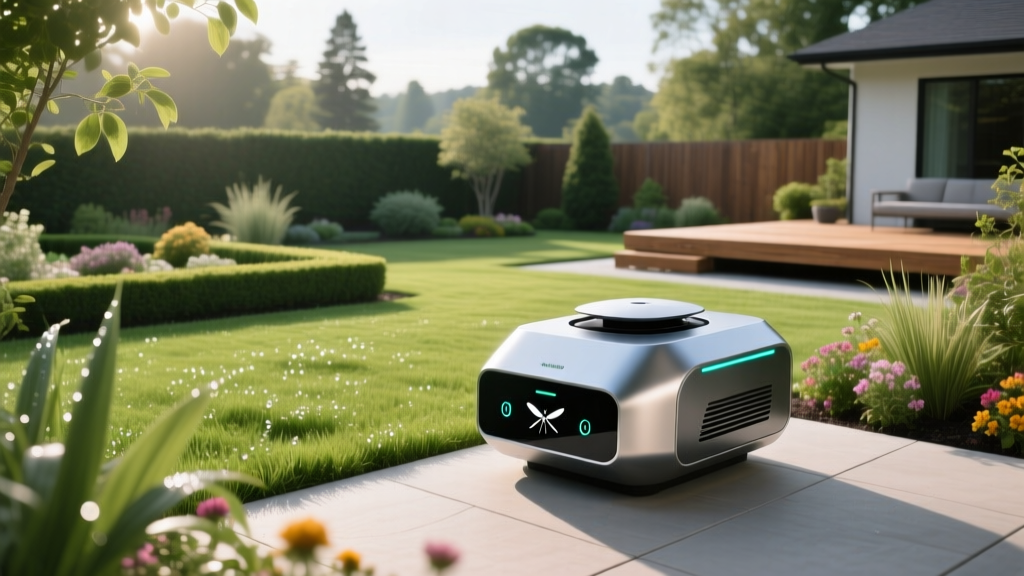
Mosquito Air Defense System Price: 2026 Cost & Coverage Guide
The True Cost of Yard-Wide Mosquito Air Defense Systems
When homeowners refer to a "mosquito air defense system," they are typically talking about automated high-pressure misting systems or networked smart spatial repellents designed to create an invisible, insecticidal barrier over a property. Unlike standard bug zappers or citronella candles, these systems actively alter the micro-environment of your yard. However, the mosquito air defense system price varies wildly based on yard topology, nozzle count, and the active chemical concentrate used.
According to EPA guidelines on mosquito control, automated misting systems are highly effective when calibrated correctly, but they require strict adherence to dosage limits to prevent environmental drift. Below is the definitive 2026 pricing and coverage matrix for the three primary tiers of residential air defense systems.
| System Tier | Upfront Hardware Cost | Annual Consumable Cost | Max Effective Coverage | Active Ingredient |
|---|---|---|---|---|
| Tier 1: Smart Spatial Network (e.g., Thermacell Liv) | $800 - $1,500 | $600 - $900 | Up to 1 Acre (Multi-node) | Metofluthrin / Allethrin |
| Tier 2: DIY Low-Pressure Misting Kit | $400 - $800 | $300 - $500 | 1/4 Acre (30 Nozzles) | Pyrethrin / Permethrin |
| Tier 3: Pro High-Pressure Automated Misting | $2,500 - $4,800+ | $450 - $850 | 1/2 to 1+ Acre (40-60 Nozzles) | Micro-encapsulated Bifenthrin |
Breakdown by System Tier: Hardware and Installation Realities
Tier 1: Networked Smart Spatial Repellents
Systems like the Thermacell Liv represent the entry-level "air defense." Instead of spraying liquid insecticide, these Wi-Fi-enabled hubs heat a repellent mat to create a 15-foot radius protection zone. To defend a standard 1/2-acre suburban yard, you must deploy a network of 4 to 6 units. While the hardware is relatively cheap ($299 per hub), the ongoing cost of proprietary repellent refills is steep. Running 5 units for 12 hours a day during a 90-day summer season will consume approximately $750 in replacement mats.
Tier 2 & 3: Automated Misting Systems (The Heavy Artillery)
True automated misting systems utilize a central reservoir, a motorized pump, and nylon or copper tubing routed along fence lines, eaves, and dense shrubbery. The critical differentiator in price is pump pressure.
- Low-Pressure (DIY Kits): Operate at 40-80 PSI. These systems often suffer from "drip-out," where larger droplets fall onto patio furniture rather than lingering in the air. They require anti-drip check valves at every nozzle, adding to the hardware cost.
- High-Pressure (Professional Installs): Operate at 150-250 PSI. At this pressure, the pyrethroid solution is atomized into a dry fog (droplets under 50 microns) that hangs in the canopy and effectively knocks down adult mosquitoes on contact. Professional installation includes trenching, hardwiring 220V pumps, and programming smart controllers with wind-sensors to prevent chemical drift.
⚠️ Environmental Warning: Pollinator Toxicity
Pyrethroids (the standard concentrate for misting systems) are highly toxic to bees and aquatic life. The CDC notes that vector control must be balanced with ecological safety. Always program your automated system to mist strictly at dawn and dusk when mosquitoes are active but pollinators are dormant. Never schedule a midday mist cycle.
Pyrethroids (the standard concentrate for misting systems) are highly toxic to bees and aquatic life. The CDC notes that vector control must be balanced with ecological safety. Always program your automated system to mist strictly at dawn and dusk when mosquitoes are active but pollinators are dormant. Never schedule a midday mist cycle.
Dosage, Coverage, and Ongoing Consumable Costs
The most frequently overlooked aspect of the mosquito air defense system price is the daily consumable burn rate. Let us break down the exact dosage math for a standard 30-nozzle high-pressure system protecting a 1/4-acre lot.
The Consumable Burn-Rate Formula
- Nozzle Output: A standard 0.012-inch orifice misting nozzle dispenses approximately 0.15 ounces of solution per minute.
- Cycle Duration: Effective knockdown requires a 45-second to 60-second spray cycle.
- Daily Volume: 30 nozzles × 0.15 oz = 4.5 ounces per cycle. If your controller is set to two cycles per day (dawn and dusk), you consume 9 ounces of diluted solution daily.
- Concentrate Ratio: Most micro-encapsulated bifenthrin concentrates require a 2 oz per gallon dilution ratio. Therefore, 9 ounces of spray requires roughly 0.14 ounces of pure concentrate daily.
A single gallon of professional-grade micro-encapsulated concentrate costs between $140 and $180 in 2026 and yields roughly 128 ounces of pure chemical. Based on the math above, one gallon of concentrate will last approximately 45 to 60 days. This translates to an operational chemical cost of $2.50 to $3.50 per day during peak mosquito season.
Installation Variables That Spike Your Final Invoice
If you are requesting quotes for a Tier 3 professional installation, be aware of the site-specific variables that contractors use to scale their pricing:
- Tubing Material: UV-resistant black polyethylene tubing is the baseline. Upgrading to flexible copper tubing (which resists chewing from rodents and lasts 15+ years) will add $400 to $800 to the materials invoice.
- Zoning and Valves: If your property has distinct micro-climates (e.g., a heavily shaded wooded area near a creek vs. a dry front yard), contractors will install electronic zone valves. This allows the controller to deliver heavier dosages to high-risk zones while conserving chemical in low-risk zones. Add $150 per zone valve.
- Wind Anemometers: High-end 2026 smart controllers integrate with local weather APIs or on-site anemometers to automatically abort a misting cycle if wind speeds exceed 5 MPH, preventing chemical drift onto neighboring properties.
Decision Framework: Which System Fits Your Property?
Use this practical framework to determine which air defense system yields the best ROI for your specific scenario.
Scenario A: The Urban Townhouse (Under 0.15 Acres, No Fencing)
Verdict: Tier 1 (Smart Spatial Network).
Why: Misting systems require perimeter structures (fences, eaves) to mount nozzles. In an open urban patio, wind will immediately scatter a misting fog, wasting chemical and drifting onto neighbors. Deploy 2-3 smart spatial hubs instead.
Scenario B: The Suburban Fortress (0.25 to 0.5 Acres, Fully Fenced)
Verdict: Tier 3 (Professional High-Pressure Misting).
Why: You have the linear footage required to create a continuous chemical curtain. The upfront cost of $3,000+ is offset by the ability to reclaim your entire yard for outdoor dining and play without reapplying topical sprays every 48 hours.
Scenario C: The Rural Acreage (1+ Acres, Woods and Water)
Verdict: Hybrid Approach (Tier 2 Misting for Core + Barrier Sprays for Perimeter).
Why: Running 80+ nozzles to enclose a massive rural property is cost-prohibitive. Install a 30-nozzle DIY system strictly around the patio and pool deck (the core living zone), and hire a professional service to perform a monthly backpack barrier spray on the deep woods perimeter.
Expert Verdict: Is the ROI Worth It?
The mosquito air defense system price is an investment in property usability. If you are spending $3,500 on a professional high-pressure misting system, you are effectively paying a one-time premium to eliminate the $60-$100 weekly cost of hiring a seasonal mosquito truck service. For homeowners who utilize their outdoor spaces daily from May through September, an automated system pays for itself in roughly 1.5 seasons while providing superior, on-demand knockdown power that topical barrier sprays simply cannot match.

