
Pest Control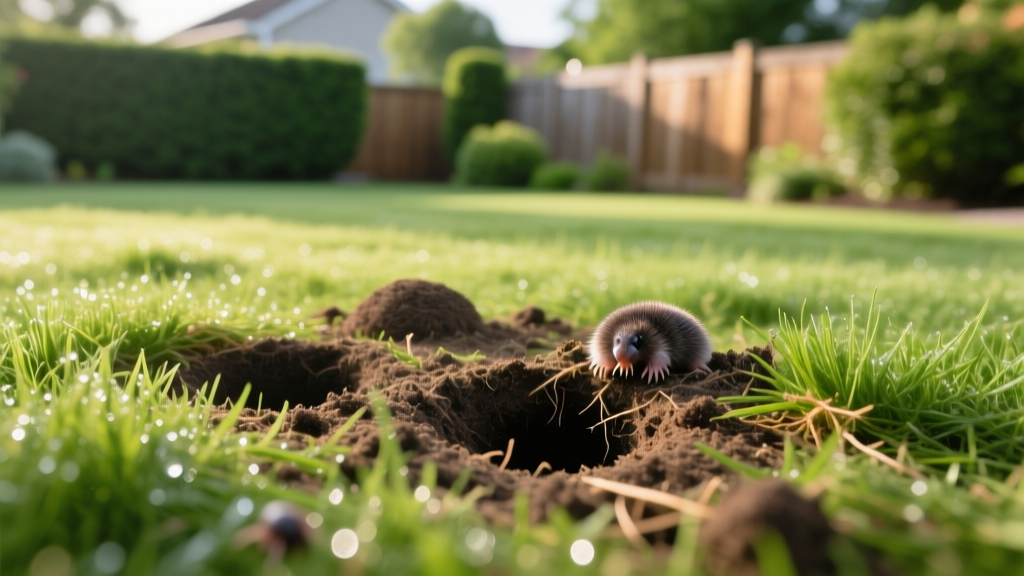
Mole Holes in Backyard Lawns: How to Identify and Fill Them
Uncovering fresh soil mounds in your yard is frustrating, but accurately diagnosing the culprit is the first step toward reclamation. The eastern mole (Scalopus aquaticus) is a highly efficient subterranean insectivore capable of digging up to 150 feet of new tunnels in a single day. While they aerate the soil and consume destructive grubs, the resulting surface damage compromises turf root systems and creates tripping hazards. Eradicating the damage requires a two-pronged approach: meticulous surface repair and strategic, biology-based deterrence.
The Anatomy of a Mole Hole: Identification Matrix
Homeowners frequently misidentify mole damage, leading to ineffective treatments. Moles, voles, and pocket gophers leave distinct signatures on the surface. According to the Missouri Department of Conservation, accurate identification dictates the entire removal strategy. Moles do not eat plant roots; they eat earthworms and soil-dwelling insects. Voles, conversely, are herbivores that chew on root systems and bark.
| Pest | Mound Shape | Hole Visibility | Surface Runways | Primary Diet |
|---|---|---|---|---|
| Eastern Mole | Volcano-shaped (6-10" wide) | No visible hole (plugged) | Raised, spongy ridges | Earthworms, grubs |
| Meadow Vole | No mound, flat surface | Golf-ball-sized open holes | Visible surface grass tunnels | Roots, bulbs, bark |
| Pocket Gopher | Crescent or horseshoe-shaped | Open hole plugged with dirt | No raised ridges | Roots, tubers |
Step-by-Step Mole Hole Repair Protocol
Simply stomping on raised ridges compacts the soil, restricts oxygen flow to grass roots, and fails to address the excavated void beneath. Proper repair requires filling the subsurface vacuum and restoring the turf canopy.
- Locate and Collapse the Void: Use a spade or heavy garden fork to pierce the center of the volcano mound. Push the soil down into the tunnel cavity to eliminate the hollow space. Moles abandon tunnels that are structurally compromised or consistently collapsed.
- Excavate the Mound Material: Moles push deep, clay-heavy subsoil to the surface. This material is often devoid of organic matter and will smother existing turf if left in place. Shovel the excess subsoil into a wheelbarrow for use in deep garden beds, not as a lawn topdressing.
- Apply a Targeted Topdressing: Fill the remaining surface depression with a 60% coarse sand and 40% screened compost mixture. The sand prevents future compaction and improves drainage, while the compost introduces microbial activity necessary for turf recovery.
- Overseed and Hydrate: Broadcast a shade-tolerant fine fescue blend or a sun-loving Kentucky bluegrass mix directly over the topdressing. Apply a starter fertilizer (e.g., 10-18-10 NPK ratio) and keep the area consistently moist for 14 days until germination occurs.
Strategic Deterrence: What Actually Works
The lawn care industry is saturated with mole repellents that lack empirical backing. To successfully deter moles, you must alter the habitat's carrying capacity or use targeted lethal control.
Myth vs. Fact: The Grub Control Fallacy
Many homeowners apply broad-spectrum insecticides to kill grubs, assuming the moles will starve and leave. However, research from the University of Kentucky Entomology Department confirms that earthworms constitute up to 80% of a mole's diet, not grubs. Applying imidacloprid to kill grubs will not evict a mole if the soil remains rich in earthworms. Habitat modification must focus on soil moisture and physical barriers, not just grub eradication.
Many homeowners apply broad-spectrum insecticides to kill grubs, assuming the moles will starve and leave. However, research from the University of Kentucky Entomology Department confirms that earthworms constitute up to 80% of a mole's diet, not grubs. Applying imidacloprid to kill grubs will not evict a mole if the soil remains rich in earthworms. Habitat modification must focus on soil moisture and physical barriers, not just grub eradication.
Habitat Modification and Moisture Control
Moles require high soil moisture to keep their tunnels from collapsing and to sustain their earthworm prey. Overwatering your lawn creates an ideal mole habitat. Adjust your irrigation schedule to deliver 1 to 1.5 inches of water per week in deep, infrequent cycles rather than daily shallow watering. Allowing the top two inches of soil to dry out between waterings forces earthworms deeper, making the surface layer less attractive to foraging moles.
Lethal Trapping: The Only Guaranteed Fix
When deterrence fails, trapping is the most reliable removal method. Ultrasonic stakes, castor oil sprays, and vibrating windmills have consistently failed in university field trials. The Victor Out O'Sight Mole Trap (Model 0645) remains the industry standard for homeowners and professionals alike, retailing between $25 and $35.
Pro-Tip: Finding the Active Runway
Moles dig extensive tunnel networks, but only use a fraction of them daily. To find an active runway, press down a 6-inch section of several raised ridges. Check the area 24 hours later. The ridges that the mole has pushed back up are active feeding tunnels. Place your trap directly in these repaired sections for the highest success rate.
Moles dig extensive tunnel networks, but only use a fraction of them daily. To find an active runway, press down a 6-inch section of several raised ridges. Check the area 24 hours later. The ridges that the mole has pushed back up are active feeding tunnels. Place your trap directly in these repaired sections for the highest success rate.
Cost Breakdown: DIY vs. Professional Mole Removal
Managing a mole infestation requires balancing upfront costs with long-term efficacy. Below is a comparative analysis of common remediation strategies based on average 2026 market pricing.
| Method | Estimated Cost | Efficacy Rate | Best Use Case |
|---|---|---|---|
| Castor Oil Repellents | $20 - $40 | Low (15-20%) | Temporary deterrence in small garden beds |
| DIY Scissor/Harpoon Traps | $25 - $45 | High (70-85%) | Isolated infestations (1-3 moles) |
| Grub Control (Imidacloprid) | $50 - $90 per acre | Low (for mole removal) | Protecting turf health, not mole eviction |
| Professional Exterminator | $300 - $600 per season | Very High (90%+) | Severe, multi-acre infestations |
Frequently Asked Questions
Do mole holes damage lawn mower blades?
Yes. The hardened clay subsoil pushed to the surface forms dense, rock-like clods when dried by the sun. Running a rotary mower over these mounds can bend the cutting deck, dull or chip the blades, and shear the spindle bearings. Always rake and collapse mounds before mowing affected zones.
Can I use mothballs or exhaust fumes to gas moles out of their holes?
Fumigation is highly ineffective and potentially illegal. Moles can quickly plug off their tunnels to block out toxic gases, and their extensive deep tunnel networks allow them to simply route around the treated area. Furthermore, introducing exhaust fumes or chemical fumigants into the soil poses severe groundwater contamination risks and violates EPA application guidelines for residential zones.
How deep do mole tunnels actually go?
Moles utilize a two-tiered tunnel system. Surface feeding runways are typically 1 to 3 inches below the turf canopy, creating the visible raised ridges. However, their main travel and nesting tunnels can plunge 10 to 24 inches deep into the subsoil. This depth is why surface-applied granular repellents rarely reach the core nesting areas where the moles spend their resting hours.

