
Pest Control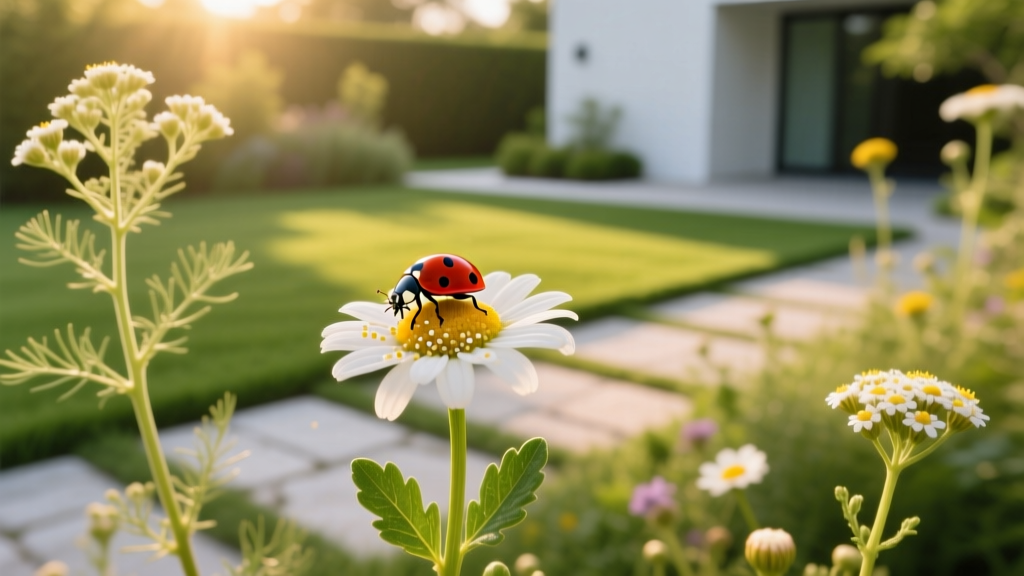
How to Attract Beneficial Insects for Natural Pest Control
Why Your Garden Needs a Bug Battalion
Chemical pesticides offer a quick fix, but they create a biological vacuum. When you spray a broad-spectrum insecticide, you kill the pests, but you also wipe out the natural predators that keep those pests in check. This leads to the "pesticide treadmill," where secondary pest outbreaks occur because their natural enemies are gone. Attracting and sustaining beneficial insects breaks this cycle. By building an ecosystem that supports predators and parasitoids, you establish a self-regulating defense system that costs pennies compared to annual chemical treatments.
According to the Environmental Protection Agency (EPA), biological pest control reduces reliance on synthetic chemicals and mitigates the risk of pests developing genetic resistance. For beginners, the goal isn't to eradicate every single aphid or caterpillar; a small pest population must remain present to provide a steady food source for your beneficial insects.
The Big Three: Predators, Parasitoids, and Pollinators
Before planting or buying bugs, you need to understand the three primary categories of beneficial insects you will be working with:
- Predators: These insects actively hunt and consume multiple prey items throughout their lives. Examples include convergent lady beetles (Hippodamia convergens), green lacewings (Chrysoperla rufilabris), and ground beetles. A single green lacewing larva can consume up to 200 aphids per week.
- Parasitoids: These are typically tiny, non-stinging wasps (like Aphidius colemani) that lay their eggs inside or on a host pest. The developing larvae consume the host from the inside out. They are highly specialized and incredibly effective at crashing aphid and caterpillar populations.
- Pollinators: While primarily known for fertilizing plants, many pollinators double as pest control in their larval stages. Hoverflies (Syrphid flies) are prime examples; the adults pollinate flowers, but their maggot-like larvae are voracious aphid predators.
Top 5 Plants to Attract Beneficial Insects
Beneficial insects require two things: prey (pests) and nectar/pollen. Many adult predatory insects have short mouthparts and cannot access nectar from deep, tubular flowers. They require shallow, open-faced blooms. The UC Statewide Integrated Pest Management Program recommends planting a diverse "insectary" strip to provide continuous blooms from early spring to late fall.
| Plant Name | Target Beneficials | Bloom Time | Avg. Seed Cost (2026) |
|---|---|---|---|
| Sweet Alyssum (Lobularia maritima) | Hoverflies, Parasitic Wasps | Spring to Frost | $3.50 - $5.00 / packet |
| Yarrow (Achillea millefolium) | Ladybugs, Lacewings, Tachinid Flies | Early Summer to Fall | $4.00 - $6.00 / packet |
| Dill (Anethum graveolens) | Parasitic Wasps, Predatory Beetles | Mid to Late Summer | $2.50 - $4.00 / packet |
| Cosmos (Cosmos bipinnatus) | Hoverflies, Minute Pirate Bugs | Summer to Frost | $3.00 - $5.00 / packet |
| Fennel (Foeniculum vulgare) | Ladybugs, Lacewings, Swallowtail larvae | Mid to Late Summer | $3.50 - $5.50 / packet |
Pro Tip: Allow herbs like dill, cilantro, and fennel to "bolt" (go to seed) and flower. The umbrella-shaped flower clusters (umbels) are the absolute best nectar sources for tiny parasitic wasps that target garden pests.
Buying and Releasing Live Beneficial Insects
If your garden lacks an established population, you can purchase live beneficial insects from commercial insectaries. However, releasing them incorrectly is the most common reason beginners fail. If you release ladybugs at noon on a hot, sunny day, they will immediately fly away to seek shade and water.
Step-by-Step Release Protocol
- Hydrate the Area: Lightly mist the foliage of your plants with water 30 minutes before release. Insects shipped in containers are dehydrated and will fly off immediately if they cannot find a drink.
- Time it Right: Only release insects at dusk or in the early evening. This prevents them from flying away immediately and gives them 12 hours of darkness to settle, feed, and lay eggs.
- Follow Exact Release Rates: For Green Lacewing Larvae (the most effective generalist predator), the standard rate is 1,000 larvae per 2,000 square feet. They cost approximately $28 to $35 per 1,000 in 2026. For Convergent Ladybugs, release 1,500 adults per 1,500 square feet (costing roughly $18 to $25).
- Distribute Evenly: Do not dump the entire container in one spot. Sprinkle them evenly across the affected plant canopy.
Common Beginner Mistakes That Kill Good Bugs
Even with the best intentions, new gardeners often accidentally sabotage their beneficial insect populations. Avoid these critical errors:
- Indiscriminate Use of "Organic" Sprays: Just because a pesticide is organic does not mean it is safe for beneficials. Spinosad and Pyrethrin are highly toxic to bees, ladybugs, and lacewings. Even Neem oil, when sprayed directly, can smother the eggs of beneficial insects and deter adults from landing on treated plants.
- Over-Cleaning in the Fall: Beneficial insects need places to overwinter. Ladybugs cluster in leaf litter, and native bees hibernate in hollow plant stems. If you cut your garden down to bare dirt in November, you are destroying next year's pest control army. Leave the leaves and wait until late spring (when daytime temperatures consistently hit 50°F) to clean up dead stalks.
- Using Systemic Soil Drenches: Products containing Imidacloprid are absorbed by the plant's roots and move into the pollen and nectar. When a beneficial insect lands on the flower, it ingests the toxin and dies. Never use systemic neonicotinoids in a garden where you are trying to establish biological control.
Building a Year-Round Insectary Habitat
To keep beneficial insects in your yard permanently, you must provide shelter. The Xerces Society for Invertebrate Conservation emphasizes that habitat structure is just as important as floral resources.
Constructing a Solitary Bee and Predator Hotel
You can build a highly effective insect hotel using scrap wood and bamboo. Follow these exact dimensions to ensure it is usable and safe from mold:
- Frame Depth: Exactly 6 to 8 inches deep. Anything deeper invites fungal growth and parasitic wasps that prey on the bees you are trying to protect.
- Hole Diameters: Drill holes ranging from 1/8 inch to 5/16 inch. Holes larger than 3/8 inch are rarely used by native solitary bees and may attract pests.
- Hole Finish: Sand the entrance of the drilled holes. Splinters will tear the delicate wings of solitary bees as they enter and exit.
- Tube Inserts: Use hollow bamboo stems or cardboard paper tubes inserted into the holes. This allows you to pull the tubes out and replace them every two years to prevent disease buildup.
- Roof Overhang: Ensure the hotel has a solid roof with a 2-inch overhang to keep rain from blowing directly into the nesting cavities.
Frequently Asked Questions
Will beneficial insects bite or sting me?
No. The predatory and parasitic insects used for garden pest control (like ladybugs, lacewings, and aphid parasitoid wasps) are entirely harmless to humans. Parasitoid wasps are microscopic or very small, and their ovipositors (egg-laying organs) cannot pierce human skin.
How long does it take to see results after releasing insects?
Biological control is not instantaneous. While predators like lacewing larvae will begin eating aphids immediately, it typically takes 2 to 3 weeks to see a noticeable, significant reduction in the overall pest population as the life cycle of the beneficial insects catches up to the pests.
Can I use beneficial insects indoors or in a greenhouse?
Yes, but you must select the right species. Greenhouse environments lack the UV light and spatial cues that outdoor insects use to navigate. For indoor or greenhouse use, rely on specific biological controls like Phytoseiulus persimilis (for spider mites) or Aphidius colemani (for aphids), rather than generalist outdoor predators like ladybugs, which will simply fly to the nearest window and die.

