
Pest Control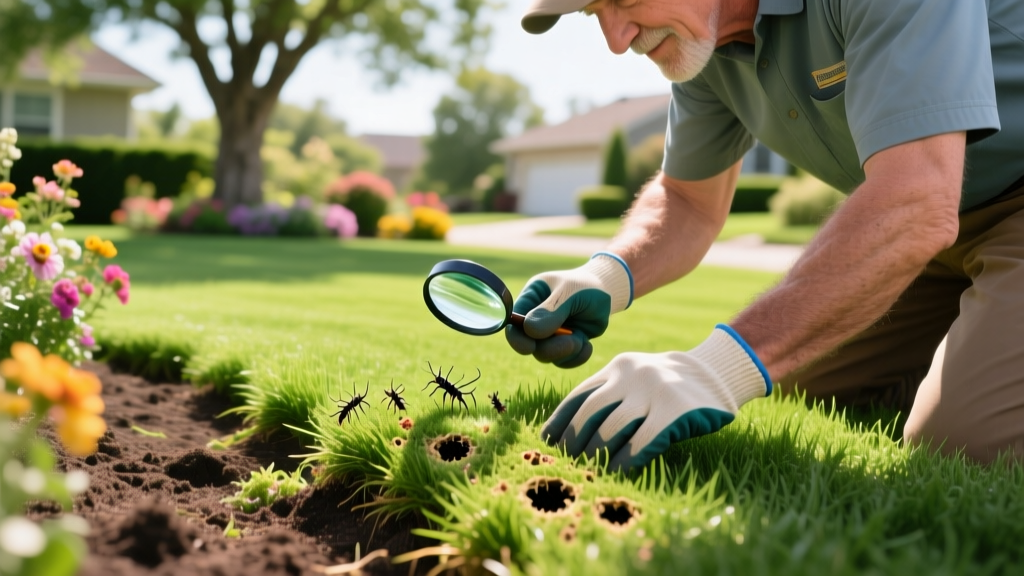
Beginner Guide to Ornamental Landscape and Turf Pest Management
Stepping into the world of yard care can feel overwhelming, especially when your pristine lawn or prized shrubs suddenly show signs of damage. Effective ornamental landscape and turf pest management is not about indiscriminately spraying chemicals until the bugs disappear. Instead, it relies on understanding pest life cycles, recognizing economic thresholds, and applying targeted treatments. This beginner-friendly guide breaks down the exact frameworks, product recommendations, and actionable thresholds you need to protect your landscape in 2026 without wasting money or harming the environment.
The Core Framework: Integrated Pest Management (IPM)
Before buying any product, you must understand Integrated Pest Management (IPM). According to the EPA's IPM principles, this is a science-based, common-sense approach that relies on current knowledge of pest life cycles and their interaction with the environment. For beginners, IPM prevents the most common mistake: calendar spraying (applying pesticides on a set schedule regardless of actual pest presence).
The 4-Step IPM Protocol for Homeowners
- Identify: Confirm the exact pest. Misidentifying drought stress as chinch bug damage leads to wasted chemicals.
- Monitor: Count the pests. Are they above the economic threshold? (e.g., 3 grubs per square foot is fine; 10 is a crisis).
- Prevent: Maintain healthy turf and soil. Aeration, proper mowing heights, and balanced fertilization make plants less susceptible.
- Control: If thresholds are breached, use the least-toxic, most targeted intervention first (biological controls, then targeted synthetics).
Turfgrass Pests: Identification and Treatment Matrix
Turf pests generally fall into two categories: soil-dwelling (grubs, mole crickets) and surface-feeding (chinch bugs, armyworms). The University of California Statewide IPM Program emphasizes that treatment should only occur when pest populations reach levels that cause unacceptable damage. Below is a practical decision matrix for the three most common turf threats.
| Pest | Action Threshold | Recommended Active Ingredient | Est. Cost (2026) |
|---|---|---|---|
| White Grubs (Masked Chafer, Japanese Beetle) | 5-10 grubs per sq. ft. | Chlorantraniliprole (Preventative) or Trichlorfon (Curative) | $85 / 8oz (Prev) $20 / 10lb (Cur) |
| Chinch Bugs (Hairy and Southern) | 20-25 bugs per sq. ft. | Bifenthrin or Lambda-cyhalothrin | $45 / 32oz concentrate |
| Fall Armyworms | 3-5 larvae per sq. ft. | Spinosad or Bifenthrin | $15-$30 / 16oz |
Pro-Tip for Grub Control: If you are applying a preventative like Acelepryn (Chlorantraniliprole), timing is everything. It must be applied in late spring or early summer (May-June) before the eggs hatch. If you wait until August and see brown patches, the grubs are already large and the preventative will not work. You must switch to a fast-acting curative like Dylox (Trichlorfon) and water it in immediately with at least 0.25 inches of irrigation.
Ornamental Plant Pests: Sucking vs. Chewing Insects
Managing pests on ornamental shrubs and trees requires a different approach than turf. You must first categorize the pest by its mouthparts, as this dictates the chemical delivery method.
Sucking Insects (Aphids, Scale, Whiteflies, Lace Bugs)
These pests pierce plant tissue and extract sap, leading to curled leaves, yellowing, and the excretion of sticky honeydew (which promotes black sooty mold). Because they feed internally or on the undersides of leaves, contact sprays often fail.
- The Solution: Systemic insecticides. Products containing Imidacloprid (like Bayer Advanced 12 Month Tree and Shrub) are applied as a soil drench. The plant's vascular system absorbs the chemical and transports it to the leaves.
- Application Rate: Typically 3 ounces of concentrate per inch of trunk diameter, mixed in a gallon of water.
- Critical Warning: Never apply Imidacloprid to blooming ornamentals (like Linden trees, Viburnums, or Rhododendrons) right before or during flowering. The systemic chemical will enter the nectar and kill foraging bees. Apply only after petals have dropped.
Chewing Insects (Japanese Beetles, Bagworms, Tent Caterpillars)
These pests consume leaf tissue, causing skeletonization or total defoliation. Systemics are often too slow to stop heavy chewing infestations.
- The Solution: Stomach poisons and biological controls. Spinosad (found in Captain Jack's Deadbug Brew) is highly effective against caterpillars and bagworms while remaining relatively safe for beneficial insects once dried.
- Timing: Treat bagworms when they are small (early instar, usually late May to June). Once they build their large protective bags in late summer, contact and stomach poisons cannot penetrate the silk and debris.
Real-World Decision Tree: When to Treat vs. When to Wait
Beginners often panic at the sight of a single bug. Use this logical framework before mixing any chemicals:
The Economic Injury Level (EIL) Check
Step 1: Is the plant actually declining, or is the pest just present? (If just present, wait).
Step 2: Can you physically remove them? (e.g., knocking aphids off with a strong jet of water, or hand-picking bagworms). If yes, do this first.
Step 3: Are natural predators (ladybugs, parasitic wasps) already present? If you see ladybug larvae (which look like tiny black and orange alligators), do not spray. They will clear the aphids in a few days.
Step 4: If the plant is declining, predators are absent, and the pest count exceeds the threshold, select the narrowest-spectrum chemical available (e.g., Bt for caterpillars only) rather than a broad-spectrum killer like Sevin (Carbaryl).
Common Beginner Mistakes to Avoid
Even with the right products, improper application can lead to phytotoxicity (plant burn) or environmental contamination. Avoid these frequent pitfalls:
- Spraying in the Heat of the Day: Applying liquid pesticides or horticultural oils when temperatures exceed 85°F (29°C) will cause the liquid to evaporate rapidly, concentrating the chemical and burning the leaf cuticle. Always spray in the early morning or late evening.
- Ignoring the Surfactant: Many ornamental leaves (like Holly or Magnolia) have a waxy cuticle that repels water. If your pesticide label recommends a non-ionic surfactant (a spreading agent), use it. Without it, the spray will bead up and roll off the leaf, wasting your money.
- Misidentifying Abiotic Stress: Brown patches in the lawn are frequently blamed on insects when the real culprit is compacted soil, dull mower blades, or localized drought. Always perform a 'tug test' on turf. If the grass pulls up easily with no roots attached, suspect grubs. If it resists, suspect disease or drought.
Frequently Asked Questions
Is it safe to use the same pesticide for both my lawn and my flower beds?
Not always. While an active ingredient like Bifenthrin might be labeled for both, the concentration and formulation differ. Lawn granulars are designed to be watered into the soil, whereas ornamental liquid concentrates are designed for foliar absorption. Always read the specific label for the target site; using a turf product on an ornamental shrub can result in severe root burn.
How long should I wait to let my pets back onto the lawn after a pesticide application?
For liquid sprays, the standard safety protocol is to keep pets and children off the treated area until the application has completely dried. This typically takes 2 to 4 hours depending on humidity and sunlight. For granular applications that require watering-in, wait until the grass is dry after the irrigation cycle.
What is the best organic option for a heavy caterpillar infestation on my ornamental trees?
Bacillus thuringiensis var. kurstaki (Btk) is the gold standard for organic caterpillar control. It is a naturally occurring soil bacterium that produces a protein toxic only to the alkaline guts of caterpillars. It is completely safe for humans, pets, and bees. However, it degrades rapidly in UV light, so you must apply it late in the evening and reapply every 7 to 10 days during an active hatch.

