
Pest Control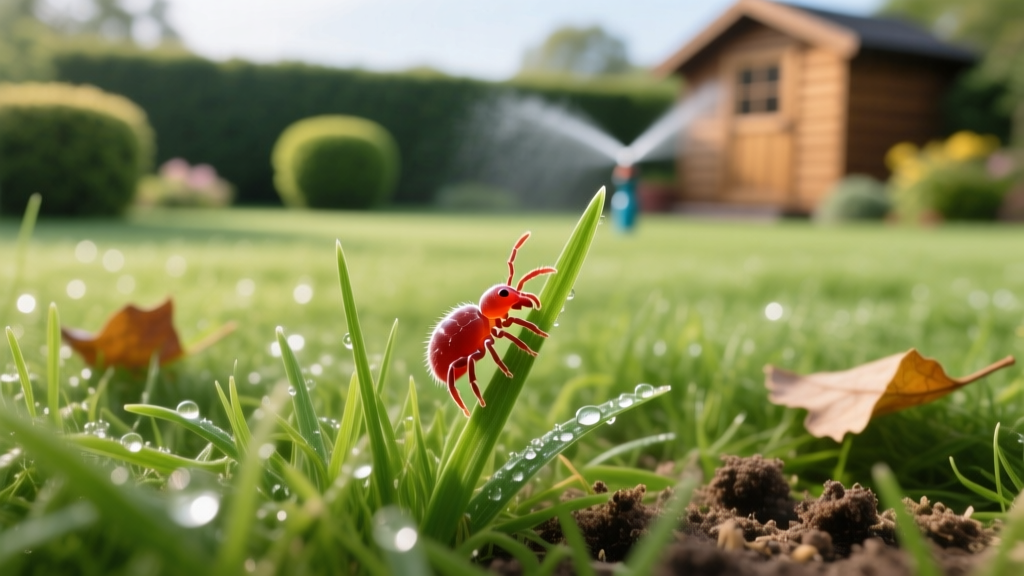
Best Chigger Remedy for Yards: Prevention and Bite Relief
Understanding the Enemy: Chigger Biology and Yard Hotspots
When homeowners search for a reliable chigger remedy, they are usually reacting to the intense, localized itching caused by the larval stage of trombiculid mites. Unlike ticks or mosquitoes, chiggers do not suck blood. Instead, they pierce the skin and inject digestive enzymes that liquefy tissue, forming a feeding tube called a stylostome. The resulting allergic reaction to these enzymes is what causes the notorious, maddening itch that can last for up to two weeks.
⚠️ Myth Alert: Chiggers do not burrow into your skin, nor do they stay attached after feeding. The red bump you see is your body's hardened reaction to the digestive enzymes, not the mite itself. Therefore, remedies involving clear nail polish or bleach to 'suffocate' the bug are biologically useless and only damage your skin.
To deploy an effective chigger remedy, you must first target their preferred microclimates. Chiggers thrive in transitional zones where sunlight and shade meet. According to NC State Extension, these mites require high humidity at the soil level to prevent desiccation. Your yard's highest-risk zones include overgrown fence lines, the shaded edges of wooded areas, tall unmowed grass, and damp thatch layers.
The Best Chigger Remedy for Your Yard: Environmental Control
The most permanent chigger remedy is habitat modification combined with targeted chemical barriers. You must alter the yard's microclimate to make it inhospitable, then apply a residual insecticide to eliminate the existing population.
Step 1: Microclimate Disruption
- Canopy Pruning: Trim the lower branches of trees and shrubs to allow direct UV sunlight to penetrate the soil. Chiggers die rapidly when exposed to direct sunlight and dry air.
- Mower Deck Adjustment: Maintain your turf at exactly 2.5 to 3.0 inches. Grass taller than 3 inches traps ground-level moisture, creating an ideal chigger nursery.
- Thatch Management: Dethatch your lawn in early spring. A thatch layer thicker than 0.5 inches provides a perfect, humid hiding spot for mite larvae.
Step 2: Chemical Barrier Application
For chemical eradication, pyrethroid-based granular insecticides offer the best residual control. In 2026, the industry standard for outdoor mite control remains Bifenthrin 0.115% (commonly sold as Talstar PL).
- Dosage: Apply exactly 2.3 pounds of Talstar PL per 1,000 square feet of lawn. A standard 25-pound bag costs between $55 and $65 and will treat roughly 10,000 square feet.
- Activation: Bifenthrin granules must be watered into the soil immediately after application. Apply 0.25 inches of irrigation to push the active ingredient into the thatch layer where chiggers reside.
- Fast Knockdown Alternative: If you are dealing with an active, severe infestation and need immediate results, use Onslaught FastCap. This microencapsulated liquid combines esfenvalerate with prallethrin and a synergist (PBO). Mix 0.5 ounces per gallon of water and spray shaded perimeters. It costs roughly $45 for a pint bottle and provides a 24-hour knockdown.
Personal Defense Matrix: Repellents That Actually Work
While treating the yard is the ultimate chigger remedy, personal defense is non-negotiable when working in untreated or heavily wooded areas. The EPA registers several active ingredients, but their efficacy against trombiculid mites varies wildly.
| Active Ingredient | Recommended Concentration | Application Target | Efficacy vs. Chiggers |
|---|---|---|---|
| Permethrin | 0.5% Spray | Clothing, Boots, Gear | Excellent (Lethal to mites on contact) |
| Picaridin | 20% Lotion/Spray | Exposed Skin | Very Good (Non-greasy, 8-12 hrs) |
| DEET | 25% - 30% | Exposed Skin | Good (Can melt synthetics, sticky) |
| IR3535 | 20% | Exposed Skin | Fair (Requires frequent reapplication) |
Pro-Tip for Maximum Defense: The absolute best personal chigger remedy is a dual-layer approach. Treat your pants, socks, and boots with Sawyer Premium 0.5% Permethrin ($16 for a 24oz bottle) and let them dry for 24 hours. Then, apply a 20% Picaridin lotion (like Sawyer Picaridin) to your ankles, waistline, and any exposed skin. Chiggers target areas where clothing restricts blood flow (ankles, behind knees, waistbands), so focus your chemical barriers heavily on these zones.
Post-Bite Protocol: Stopping the Itch Fast
If you have already been bitten, the goal shifts from prevention to halting the enzymatic reaction. Because the itch is caused by an allergic response to the digestive enzymes trapped in the stylostome, you must denature the proteins and manage the histamine release.
Immediate Action (Within 2 Hours of Exposure)
- The Hot Water Flush: Take a shower using water as hot as you can comfortably tolerate (ideally 104°F to 110°F). The heat helps denature the chigger's digestive enzymes and temporarily depletes local histamine stores, providing immediate, albeit temporary, itch relief.
- Sulfur Soap Wash: Scrub the affected areas vigorously with a sulfur-based soap (such as 10% sulfur bar soap, approx. $8). Sulfur creates an environment that neutralizes residual enzymes and prevents secondary bacterial infections from scratching.
Secondary Treatment (Hours 2 to 48)
- Topical Steroids: Apply 1% Hydrocortisone cream directly to the welts to reduce localized inflammation.
- Oral Antihistamines: Take a non-drowsy, second-generation antihistamine like Cetirizine (Zyrtec) 10mg or Fexofenadine (Allegra) 180mg daily to block the systemic histamine response.
- Avoid Scratching: Scratching breaks the stylostome, spreading the liquefying enzymes into surrounding tissue and vastly expanding the size of the welt. Keep your fingernails trimmed short.
Seasonal Yard Defense Calendar
Chigger populations peak when soil temperatures hover between 77°F and 86°F. Use this timeline to schedule your yard treatments:
- Early Spring (April): Dethatch the lawn and apply the first round of Bifenthrin granules to shaded perimeter zones before the soil warms up.
- Early Summer (June): Reapply granular insecticide. Focus heavily on the transition zones between your manicured lawn and wild, wooded areas.
- Mid-Summer (July/August): Peak chigger season. Rely on personal Permethrin and Picaridin barriers. Keep mower heights strictly at 3 inches to preserve soil moisture without creating a jungle.
- Autumn (September/October): Clear fallen leaf litter immediately. Leaf litter acts as a massive humidity trap, allowing late-season chigger populations to thrive and overwinter.
By combining rigorous microclimate management, precise pyrethroid applications, and modern EPA-registered repellents, you can effectively eradicate these mites from your property and enjoy your outdoor spaces without the fear of severe allergic reactions.

