
Pest Control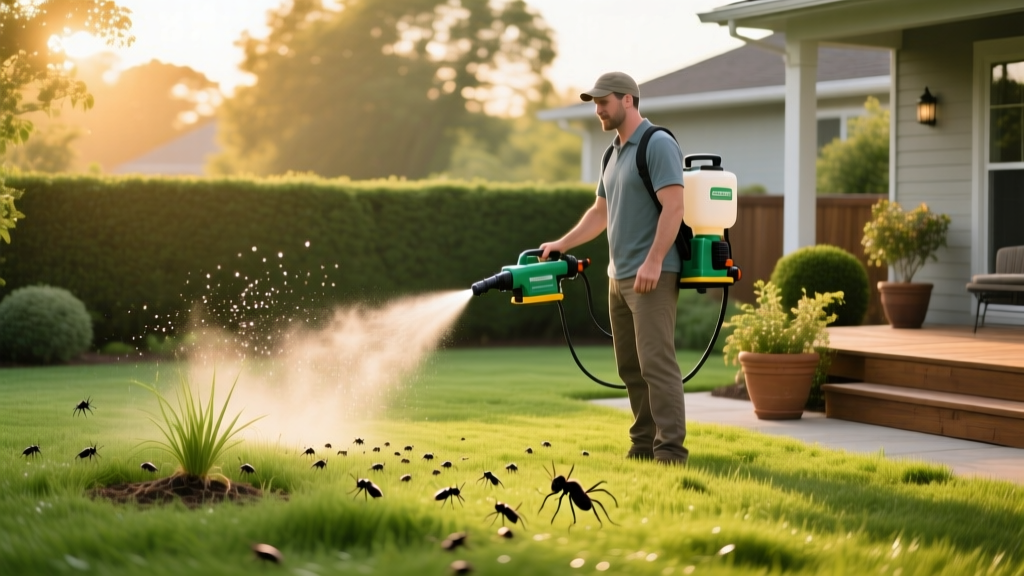
Best Flea Killer for Yard Treatments: 2026 Buyer's Guide
The Hidden Cost of Yard Fleas: Why Standard Sprays Fail
Eradicating fleas from a residential landscape requires targeting the insect at four distinct life stages: egg, larva, pupa, and adult. Most homeowners fail because they only address the adult stage, which represents just 5% of the total flea population in your yard. The remaining 95% exists as immature stages hidden deep in thatch, soil, and shaded underbrush.
According to the University of California Agriculture and Natural Resources (UC IPM), the pupal stage is the most resilient. Flea pupae encase themselves in a sticky cocoon that binds to soil particles and is entirely impervious to chemical insecticides. You can spray your yard perfectly, only to see a new wave of adults hatch 14 days later. To break this cycle, the best flea killer for yard defense must either possess a long residual half-life to kill emerging adults or be paired with an Insect Growth Regulator (IGR) to halt reproduction.
Active Ingredient Matrix: Chemical vs. Botanical Flea Killers
Before selecting a product, you must understand the chemical mechanism required to break the flea life cycle. The Environmental Protection Agency (EPA) categorizes these active ingredients based on their mode of action and environmental persistence. Use this matrix to match the ingredient to your specific yard conditions.
| Active Ingredient | Chemical Class | Target Life Stage | Residual Soil Life |
|---|---|---|---|
| Bifenthrin | Synthetic Pyrethroid | Adults, Larvae | 30–60 Days |
| Imidacloprid | Neonicotinoid | Adults, Soil Larvae | 14–21 Days |
| Pyriproxyfen | IGR (Juvenile Hormone) | Eggs, Pupae (Prevents hatching) | 90+ Days |
| Permethrin | Synthetic Pyrethroid | Adults | 14–30 Days |
| Cedarwood Oil | Botanical Essential Oil | Adults (Contact Kill) | 2–4 Days |
Top 3 Yard Flea Killers for 2026
Based on efficacy, residual lifespan, and safety profiles for residential landscapes, these three formulations represent the most reliable options for comprehensive yard defense.
1. BioAdvanced Complete Insect Killer for Soil & Turf
Active Ingredients: 0.115% Bifenthrin, 0.086% Imidacloprid
Average Price: $24.99 (32 oz hose-end sprayer)
Coverage: Up to 5,000 sq. ft.
This dual-action formula is the gold standard for severe infestations. Bifenthrin provides a 60-day residual barrier that kills emerging adults on contact with treated grass blades, while Imidacloprid penetrates the soil profile to target larvae feeding on organic matter near the root zone.
- Pros: Ready-to-spray hose-end attachment; excellent soil penetration; highly effective against simultaneous tick and flea populations.
- Cons: Highly toxic to aquatic life; requires strict runoff management near storm drains.
2. Archer Insect Growth Regulator (IGR)
Active Ingredient: 1.3% Pyriproxyfen
Average Price: $42.50 (32 oz liquid concentrate)
Coverage: Up to 44,000 sq. ft. (when diluted)
Archer does not kill adult fleas. Instead, it mimics the juvenile hormone of the flea, preventing eggs from hatching and stopping pupae from developing into biting adults. Texas A&M AgriLife Extension recommends pairing an IGR with a fast-acting adulticide for total population collapse. Mix 1 oz of Archer per gallon of water in a pump sprayer and apply alongside your primary insecticide.
- Pros: UV-stable for up to 14 days in direct sunlight; breaks the reproductive cycle for 7 months; extremely low toxicity to mammals.
- Cons: Requires a separate tank sprayer and manual mixing; does not provide immediate relief from adult fleas.
3. Wondercide Outdoor Pest Control Spray
Active Ingredient: 42% Cedarwood Oil, 2% Peppermint Oil
Average Price: $34.99 (32 oz hose-end sprayer)
Coverage: Up to 5,000 sq. ft.
For homeowners with organic gardens, koi ponds, or hyper-sensitive pets, Wondercide offers a botanical alternative. Cedarwood oil acts as an octopamine blocker, causing neurotoxicity in adult fleas on contact. However, because it lacks residual soil activity, it requires reapplication every 3 to 5 days during peak summer months.
- Pros: Safe for use around edible gardens and water features; no re-entry waiting period for pets or children; pleasant natural scent.
- Cons: High reapplication frequency; ineffective against deep-soil pupae; higher long-term cost per square foot.
⚠️ Critical Feline Toxicity Warning: Permethrin
Many budget-friendly yard sprays utilize Permethrin as the primary adulticide. While highly effective and safe for dogs once dry, permethrin is fatally toxic to cats, even in trace amounts. If you own outdoor cats or live in a neighborhood with roaming felines, strictly avoid permethrin-based yard treatments. Opt for Bifenthrin (once fully dried) or botanical oils to prevent fatal feline neurotoxicity.
Step-by-Step Yard Eradication Protocol
Purchasing the correct chemical is only 20% of the battle. Environmental preparation dictates whether the active ingredient reaches the target zone. Follow this exact sequence for maximum efficacy:
- Mow to 2 Inches: Fleas avoid direct sunlight. Mow your lawn shorter than usual to expose the soil surface to UV rays and allow the spray to penetrate the thatch layer.
- Clear Micro-Habitats: Rake out thick leaf litter, pine straw, and organic debris from shaded areas under decks and along fence lines. These are primary pupal incubators.
- Pre-Water the Soil (Crucial Step):strong> Lightly irrigate the lawn 12 hours before application. Moisture stimulates adult fleas to emerge from their protective pupal cocoons, exposing them to the insecticide.
- Apply Treatment at Dusk: Spray between 6:00 PM and 8:00 PM. This prevents rapid UV degradation of the chemical and avoids peak pollinator foraging hours.
- Enforce a 24-Hour Re-Entry Window: Keep all pets and children off the treated grass for a full 24 hours, even if the grass appears dry to the touch, to allow the chemical to fully bind to the soil particles.
Common Application Mistakes That Trigger Re-infestation
Even professional-grade chemicals will fail if applied under the wrong environmental conditions. Avoid these three critical errors:
- Spraying Before a Rain Event: Applying a liquid concentrate within 24 hours of forecasted rainfall will wash the active ingredient into the storm drain before it can bind to the soil. Check localized weather radar, not just daily summaries.
- Ignoring the Perimeter: Fleas rarely originate in the center of a sun-baked lawn. They migrate from neighboring properties via rodents and wildlife. You must spray a 5-foot buffer zone along all property lines, fences, and the exterior foundation of your home.
- Treating the Yard but Not the Host: If your dog is not on a veterinary-grade oral isoxazoline flea preventative (e.g., Bravecto, NexGard), they will continuously reintroduce fleas to the yard every time they go outside. Yard defense and host defense must be simultaneous.
Frequently Asked Questions
How long after spraying can my dog go outside?
For synthetic pyrethroids like bifenthrin, the minimum wait time is until the application is completely dry, typically 2 to 4 hours in low humidity. However, waiting a full 24 hours ensures the chemical has bound to the plant tissue, preventing it from transferring to your dog's paws and fur.
Will watering the lawn wash away the flea killer?
Yes, if done within the first 24 hours after application. However, pre-watering before spraying is highly recommended. Once the chemical has cured into the soil profile, standard irrigation will not wash it away; in fact, light watering helps push soil-drench formulations like Imidacloprid down to the root zone where larvae feed.
Do nematodes work for yard flea control?
Beneficial nematodes (Steinernema carpocapsae) are highly effective at destroying flea larvae in the soil. However, they require specific soil temperatures (above 55°F) and constant moisture to survive. They are an excellent long-term biological control method for organic gardens but act too slowly to resolve an active, severe adult infestation.

