
Pest Control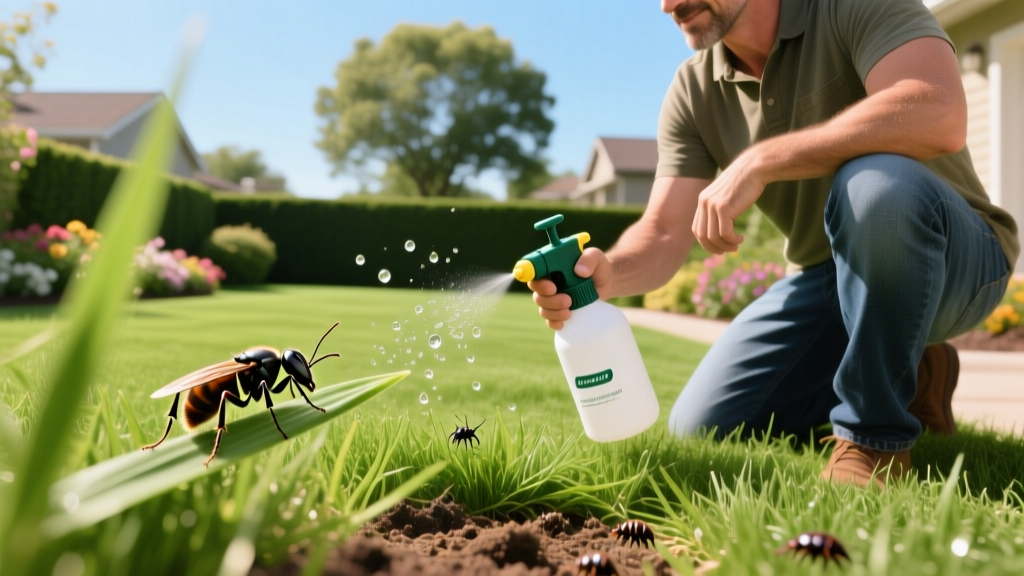
Best Flea Remedy for House and Yard: Complete Eradication Guide
The Flea Iceberg: Why Indoor-Only Sprays Fail
When homeowners search for the best flea remedy for house infestations, they typically focus on the pets and the living room carpet. This approach addresses only 5% of the actual problem. According to the Companion Animal Parasite Council (CAPC), adult fleas living on your dog or cat represent a tiny fraction of the total population. The remaining 95% exists as eggs, larvae, and pupae hidden in your home’s flooring, baseboards, and—crucially—your yard.
Fleas are not just an indoor nuisance; they are an environmental pest. The cat flea (Ctenocephalides felis) accounts for over 95% of infestations in North America. These insects thrive in shaded, humid microclimates. If you treat your interior baseboards but ignore the shaded mulch beds beneath your deck or the rodent burrows along your fence line, outdoor wildlife and your own pets will continuously reintroduce the pests into your home. True eradication requires a synchronized indoor and outdoor defense strategy.
Indoor Treatment Matrix: Selecting the Best Flea Remedy for House
Over-the-counter aerosol "flea bombs" are largely ineffective because they fail to penetrate carpet fibers and do not contain Insect Growth Regulators (IGRs). To break the reproductive cycle, you must combine an adulticide with an IGR. Below is a comparison of professional-grade DIY solutions available in 2026.
| Product / Active Ingredient | Type | Cost (Approx.) | Application Rate & Notes |
|---|---|---|---|
| Precor IGR (Pyriproxyfen) | Growth Regulator | $25 - $35 / bottle | 1 oz per 1,500 sq ft. Mimics juvenile hormones; prevents eggs/larvae from maturing for up to 7 months. |
| Alpine WSG (Dinotefuran) | Adulticide | $45 - $55 / box | 5g per 500 sq ft. Non-repellent; fleas walk through it and transfer it to others. Safe for indoor use once dry. |
| Novacide (Permethrin + Pyriproxyfen + PBO) | Combo Spray | $30 - $40 / can | Ready-to-use aerosol. Good for localized spot treatments under furniture. Contains PBO to boost efficacy. |
| Wondercide (Cedarwood Oil) | Organic / Botanical | $35 / 32oz bottle | Connects to hose. Kills on contact via desiccation. Requires frequent reapplication; lacks residual IGR protection. |
⚠️ CRITICAL PET SAFETY WARNING: Permethrin (found in many outdoor and indoor flea sprays like Novacide and Martin's 10%) is highly toxic to cats. If you have felines in the home, avoid permethrin-based indoor sprays entirely. Stick to Dinotefuran (Alpine WSG) or Pyriproxyfen-only IGRs, and keep cats off treated surfaces until completely dry.
The Pupal Window: The Most Critical Phase of Eradication
The single biggest reason DIY flea treatments fail is the "pupal window." Flea pupae spin a sticky cocoon that camouflages them in carpet fibers and renders them completely immune to insecticides. No chemical on the market can penetrate the pupal casing.
Pupae can remain dormant for up to 140 days. They only hatch when they detect specific environmental triggers: heat, carbon dioxide, and physical vibrations. According to the University of California Integrated Pest Management program, you must artificially trigger this hatching process to expose the vulnerable adults to your residual insecticide.
The 14-Day Vacuuming Protocol
- Days 1-14 Post-Treatment: Vacuum all carpets, rugs, and upholstery daily using a vacuum with a motorized beater-bar brush.
- The Vibration Trigger: The mechanical vibration and heat from the vacuum simulate a host animal, forcing dormant pupae to hatch.
- Immediate Disposal: The newly hatched fleas will jump into the carpet and contact the residual IGR/Adulticide you applied. You must empty the vacuum canister or seal the bag in an outside trash bin immediately after every session to prevent them from escaping back into the home.
Yard Defense: Severing the Outdoor Reservoir
You cannot secure your home if your yard is a breeding ground. Flea larvae cannot survive in direct, scorching sunlight; they congregate in shaded, moist areas where pets rest or where rodents nest. The Environmental Protection Agency (EPA) recommends targeting these specific microclimates rather than broadcasting chemicals across the entire lawn.
Step 1: Identify and Prep Hotspots
Map out areas where your dog sleeps outside, the shaded edges of your patio, under decks, and inside crawl spaces. Clear away dead leaves, excessive thatch, and debris to expose the soil and reduce humidity.
Step 2: Biological Control (Beneficial Nematodes)
For an organic, pet-safe yard defense, apply Steinernema carpocapsae (beneficial nematodes). These microscopic worms actively seek out and destroy flea larvae and pupae in the soil.
- Cost: $30 - $45 for 10 million nematodes (treats ~3,000 sq ft).
- Application: Mix with water and apply via hose-end sprayer at dusk. Soil temperature must be between 55°F and 85°F. Water the soil lightly before application so the nematodes can swim through the moisture to reach the larvae.
Step 3: Chemical Perimeter Barrier
If the infestation is severe, use a chemical adulticide like Bifenthrin (e.g., Talstar P) or Permethrin 10% strictly on the outdoor perimeter, under decks, and along fence lines. Mix at a rate of 1 oz per gallon of water. Spray until the surface is damp but not to the point of runoff. Keep pets and children off the treated outdoor areas until the spray has completely dried (usually 1-2 hours).
DIY vs. Professional Eradication Cost Analysis
Understanding the financial commitment helps set realistic expectations for total property defense.
DIY Integrated Approach
Total Cost: $85 - $140
Includes: 1 bottle Precor IGR ($30), 1 box Alpine WSG ($50), 1 pack Beneficial Nematodes ($40).
Time Investment: 3-4 hours for initial indoor/outdoor application, plus 15 minutes daily for two weeks of vacuuming.
Professional Exterminator
Total Cost: $300 - $600+
Includes: Interior carpet/furniture spray and exterior perimeter treatment. Usually requires a follow-up visit at 14 days.
Time Investment: Minimal (you must vacate the house for 4-6 hours while chemicals dry).
Frequently Asked Questions
Do I need to treat my house if my pet is on monthly oral preventatives?
Yes, if an active infestation is already present. Oral preventatives (like NexGard or Bravecto) kill fleas that bite the pet, but they do nothing to stop the thousands of eggs and larvae developing in your carpets and yard. You must treat the environment to break the cycle.
Can I use essential oils like peppermint or cedar as the best flea remedy for house infestations?
Essential oils act as mild contact repellents and desiccants, but they lack residual activity and do not contain IGRs. They will not stop the reproductive cycle of a severe infestation and can be highly toxic to cats and small dogs if applied in concentrated, unventilated indoor spaces.
How long does it take to completely eliminate a flea infestation?
Expect a 30 to 60-day timeline for total eradication. Because of the pupal stage's immunity to chemicals, you will likely see "phantom fleas" hatching for 2 to 3 weeks after your initial treatment. This is normal, provided you are vacuuming daily and the newly hatched adults are contacting your residual IGR treatment.

