
Pest Control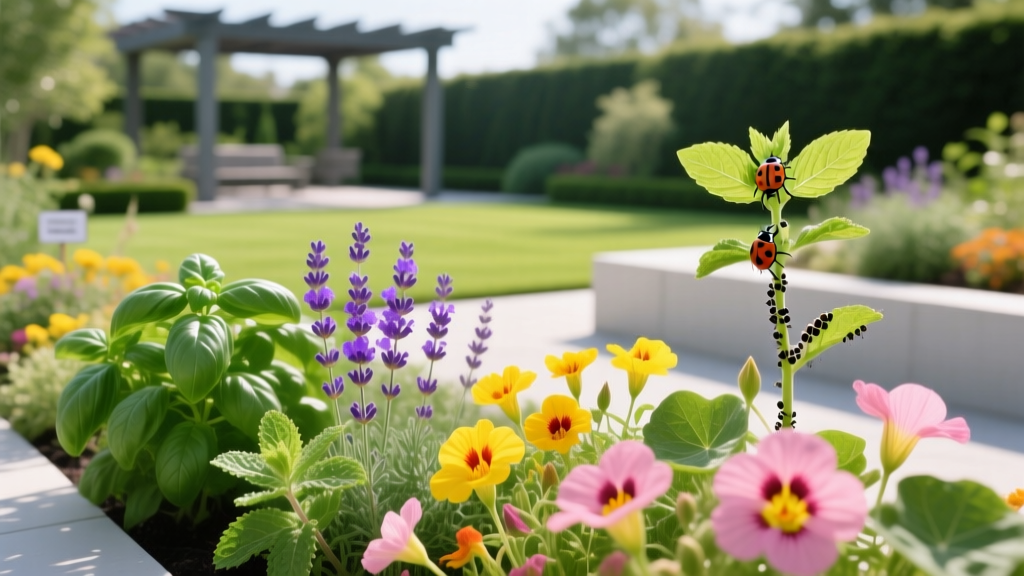
Best Flowers to Repel Bugs: A Companion Planting Defense Guide
The Science of Botanical Pest Defense
Integrating specific blooms into your landscaping is not merely an aesthetic choice; it is a calculated biological defense strategy. When selecting flowers to repel bugs, homeowners are leveraging centuries of evolutionary biology. These plants synthesize volatile organic compounds (VOCs) and allelopathic chemicals that mask the scent of vulnerable crops, disrupt insect navigation, or actively deter foraging rodents.
Unlike synthetic broad-spectrum insecticides that decimate local ecosystems, botanical defenses target specific pest behaviors. The mechanism generally falls into three categories: olfactory masking (hiding the host plant's scent), chemical repellency (creating an invisible barrier of irritating VOCs), and trap cropping (luring pests away from primary crops). Understanding these mechanisms is critical for designing a yard defense system that actually works, rather than just planting random blooms and hoping for the best.
Expert Insight: The efficacy of botanical repellents drops significantly if the plants are not crushed or bruised occasionally. Lightly brushing your hands against the foliage of aromatic flowers like lavender and marigolds during your evening garden walk releases a fresh burst of VOCs, reinforcing the pest-repellent barrier right when nocturnal insects and rodents are most active.
Top Flowers to Repel Bugs: Cultivars and Mechanics
Not all flowers provide equal protection. The concentration of defensive compounds varies wildly between species and even among specific cultivars. Below are the most effective botanical defenders for your yard, complete with the exact varieties you should source.
1. French Marigolds (Tagetes patula) for Nematode and Whitefly Control
While African marigolds offer large blooms, French marigolds are the undisputed champions of subterranean pest defense. Their roots secrete alpha-terthienyl, a potent chemical that suppresses root-knot nematodes. Furthermore, the strong scent of their foliage masks the volatile signatures of tomatoes and peppers, confusing whiteflies and aphids.
- Target Pests: Root-knot nematodes, whiteflies, aphids, cabbage loopers.
- Best Cultivars: 'Nemagold', 'Petite Gold', or 'Lemon Gem' (highest thiophene concentration).
- Planting Specs: Space 6 to 8 inches apart in full sun. Cost is typically $4 to $6 per 4-inch nursery pot.
- Companion Pairing: Plant as a dense border around tomato, eggplant, and potato beds. According to the University of California Integrated Pest Management program, marigolds must be grown for a full season and then tilled into the soil to maximize nematode eradication in the following year.
2. Painted Daisies and Chrysanthemums for Crawling Insects
Chrysanthemums, specifically the painted daisy (Chrysanthemum cinerariifolium), contain pyrethrins. These natural compounds attack the nervous systems of insects, causing immediate paralysis. Pyrethrins are so effective that they are extracted commercially to formulate organic-approved insecticide sprays.
- Target Pests: Roaches, ants, ticks, fleas, spider mites, and Japanese beetles.
- Best Cultivars: 'Robinson's Red' or standard painted daisy seed mixes.
- Planting Specs: Requires well-draining soil and full sun. Space 12 to 18 inches apart. Expect to pay $8 to $12 per gallon-sized plant.
- Safety Warning: Pyrethrins are highly toxic to cats, dogs, and fish. Plant these only in areas inaccessible to pets and away from koi ponds or water features. For more on pyrethrin toxicity, refer to the National Pesticide Information Retrieval System.
3. Ornamental Alliums for Rodent and Slug Deterrence
The allium family, which includes ornamental onions, produces high concentrations of sulfur compounds. This creates a pungent odor that mammals find highly offensive. While they do little to stop flying insects, they are an essential first line of defense against burrowing rodents and soft-bodied mollusks.
- Target Pests: Voles, mice, moles, deer, rabbits, and slugs.
- Best Cultivars: 'Purple Sensation' or Allium giganteum (giant allium for dramatic height and maximum sulfur output).
- Planting Specs: Plant bulbs in the fall, 4 to 6 inches deep and 12 inches apart. Bulbs cost roughly $1.50 to $3.00 each when bought in bulk.
- Companion Pairing: Interplant among hostas and lilies, which are prime targets for deer and slugs.
4. Lantana for Mosquito and Fly Repellency
Lantana camara emits a distinct, somewhat medicinal fragrance that is highly effective at clearing the air of biting insects. Research has shown that lantana extracts can provide comparable protection to low-concentration DEET alternatives when applied topically, but simply growing it in high-traffic patio areas creates a localized mosquito-free zone.
- Target Pests: Mosquitoes, houseflies, and fruit flies.
- Best Cultivars: 'Miss Huff' (cold-hardy) or trailing varieties for patio containers.
- Planting Specs: Thrives in hot, dry conditions. Space 18 to 24 inches apart. Highly drought-tolerant once established.
Strategic Companion Planting Matrix
To maximize the efficacy of flowers to repel bugs, you must pair them correctly with the crops or zones they are meant to protect. Use this matrix to plan your garden layout.
| Botanical Defender | Primary Target Pest | Ideal Companion Crop | Required Spacing |
|---|---|---|---|
| French Marigold | Root-knot Nematodes | Tomatoes, Potatoes | 6 inches from crop base |
| Nasturtium (Trap Crop) | Aphids, Squash Bugs | Zucchini, Cucumbers | 3 feet away (to draw pests away) |
| Ornamental Allium | Voles, Deer | Hostas, Tulips | 12 inches between bulbs |
| Chrysanthemum | Ants, Ticks | Patio Perimeters | 18 inches from seating |
Designing a 3-Ring Perimeter Defense
Rather than scattering flowers randomly, implement a concentric perimeter defense around your most vulnerable areas, such as vegetable gardens or outdoor dining spaces. This layered approach disrupts pest navigation at multiple stages.
- Outer Ring (The Rodent and Mammal Barrier): Plant a continuous border of Allium giganteum and daffodils. The sulfur and alkaloid compounds will deter voles from tunneling into the garden and stop deer from browsing the edges. Maintain a 2-foot clearance between this ring and any wild brush.
- Mid-Ring (The Crawling Insect Filter): Establish a dense hedge of French marigolds and chrysanthemums. This 12-inch-wide band acts as a chemical filter, masking the scent of the inner crops and repelling ants, roaches, and beetles attempting to cross the soil surface.
- Inner Zone (The Aerial and Trap Defense): Interplant your primary crops with lantana to disrupt mosquito flight paths. Place nasturtiums at the corners of the inner zone to act as trap crops, drawing any surviving aphids away from your prized vegetables. According to Cornell University's Biological Control program, integrating these trap crops also provides a steady food source for beneficial predatory insects like ladybugs and parasitic wasps, creating a self-sustaining defense loop.
Frequently Asked Questions
Do these flowers kill bugs, or just keep them away?
Most flowers on this list act as repellents or olfactory maskers. They create an environment that pests find confusing or irritating, causing them to bypass your yard. The exception is the chrysanthemum; the pyrethrins in its flower heads can be lethal to insects upon direct contact or ingestion, though simply growing the plant primarily acts as a strong deterrent rather than a widespread eradicator.
Can I use these flowers to repel bugs indoors?
Potted marigolds and lantana can be placed near open windowsills to deter flying insects from entering. However, avoid bringing chrysanthemums indoors if you have cats or dogs, as the pyrethrins are highly toxic to pets in enclosed spaces. For indoor defense, rely on pet-safe options like potted rosemary or basil.
How often do I need to replace these plants to maintain defense?
Annuals like French marigolds and nasturtiums must be replanted every spring. To maintain continuous nematode suppression, rotate the planting locations of your marigolds each year so the alpha-terthienyl builds up in different soil zones. Perennials like alliums, lantana (in zones 8+), and chrysanthemums will return annually, requiring only basic spring pruning and division every three to four years to maintain their chemical output.

