
Pest Control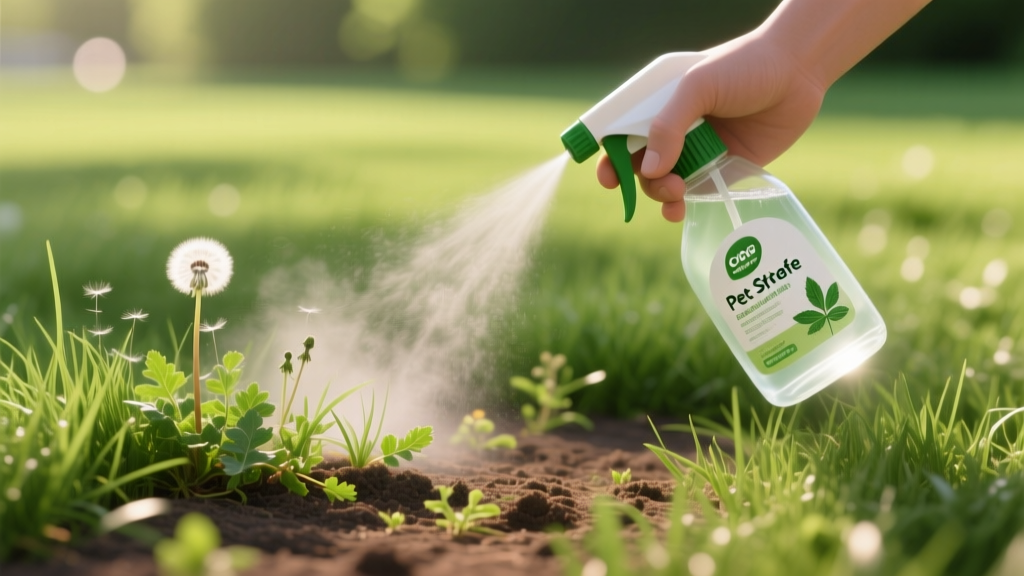
Best Weed Killer Good for Dogs: Safe Spot-Treatment Guide (2026)
Managing a pristine lawn while protecting your pets requires a strategic shift away from synthetic systemic herbicides. When searching for a weed killer good for dogs, homeowners must navigate a market flooded with misleading 'natural' labels that still contain harmful essential oil concentrations or unregulated acetic acid levels. Dogs are particularly vulnerable to lawn chemicals because they absorb toxins directly through their paw pads and ingest them during grooming.
This 2026 spot-treatment guide cuts through the marketing noise. We break down the exact biochemical mechanisms of pet-safe herbicides, compare the top selective and non-selective formulas on the market, and provide a precision application protocol to eradicate weeds without harming your turf or your canine companion.
The Hidden Dangers of Conventional Herbicides for Canines
Traditional broadleaf weed killers rely on synthetic auxins like 2,4-D and dicamba, or systemic enzyme inhibitors like glyphosate. According to veterinary toxicologists cited by the American Kennel Club, exposure to these synthetic herbicides is linked to endocrine disruption and an increased risk of canine malignant lymphoma. Even 'weed and feed' granules pose a severe risk, as dogs can easily ingest the chemical-coated prills while sniffing the grass.
A truly safe spot-treatment strategy eliminates broadcast applications entirely. By targeting individual weeds with fast-acting, low-toxicity contact herbicides or selective iron-based compounds, you restrict chemical exposure to a microscopic footprint on your lawn.
The Chemistry of Pet-Safe Spot Treatments
To choose the right product, you must understand the two primary categories of dog-safe herbicides recognized under the EPA's Minimum Risk Pesticides guidelines and related organic exemptions:
- Selective Iron-Based Herbicides (FeHEDTA): Chelated iron (Iron HEDTA) exploits a biological loophole. Broadleaf weeds (like dandelions and clover) lack the ability to regulate iron uptake, causing them to absorb toxic levels that trigger rapid cellular necrosis. Grasses, however, naturally restrict iron absorption, allowing them to survive and even benefit from the micronutrient.
- Non-Selective Desiccants (Fatty Acids & Terpenes): Ingredients like d-limonene (citrus oil), pelargonic acid, and clove oil work by stripping the waxy cuticle off a plant's leaves, causing immediate dehydration. These are non-selective, meaning they will kill any plant they touch, including your grass.
Comparison Matrix: Selective vs. Non-Selective Dog-Safe Formulas
| Feature | Selective (Iron HEDTA) | Non-Selective (d-limonene / Fatty Acids) |
|---|---|---|
| Target Weeds | Broadleaf only (Dandelion, Clover, Plantain) | All weeds and grasses |
| Grass Safety | Safe for turfgrass (may cause temporary darkening) | Will kill turfgrass on contact |
| Pet Re-entry Time | Safe once dry (usually 2-4 hours) | Safe immediately upon application |
| Best Use Case | Spot-treating weeds in the middle of a healthy lawn | Driveway cracks, fence lines, patio pavers |
Top 3 Weed Killers Good for Dogs: 2026 Product Breakdown
1. Sunday Dandelion Doom (Best Selective Spot-Treatment)
Active Ingredient: Iron HEDTA (5.8%)
Average Price: $24.99 per 32 oz Ready-To-Use (RTU) bottle
Target Weeds: Dandelions, clover, chickweed, thistle
Sunday's Dandelion Doom remains the gold standard for selective, pet-safe lawn care. The 5.8% FeHEDTA concentration is perfectly calibrated to necrotize broadleaf weeds within 24 to 48 hours without harming Kentucky Bluegrass, Fescue, or Bermudagrass. Because it is a water-based chelated iron solution, it leaves no toxic residue. Once the liquid evaporates and dries on the leaf surface, your dog can safely walk on the treated area. Pro Tip: Shake the bottle vigorously before every spray, as iron compounds can settle at the bottom.
2. Doctor Kirchner Natural Weed & Grass Killer (Best Non-Selective)
Active Ingredients: Ocean water, commercial-grade food vinegar, soap
Average Price: $34.99 per 128 oz gallon
Target Weeds: All vegetation (crabgrass, poa annua, broadleaves)
If you are treating weeds in rock beds, along fences, or in sidewalk cracks where your dog frequently patrols, Doctor Kirchner is the safest non-selective option. Unlike high-concentration horticultural vinegar (20%+ acetic acid) which can cause severe respiratory and eye irritation to pets, this formula uses a proprietary saponification process combining soap and ocean water to desiccate weeds. It contains no essential oils, which is critical because concentrated oils like tea tree or pine can be highly toxic to canine livers if ingested during paw-licking.
3. BurnOut II (Best Fast-Acting Organic Contact Killer)
Active Ingredients: d-limonene (citrus oil), clove oil, sodium lauryl sulfate
Average Price: $42.00 per 128 oz gallon
Target Weeds: Tough perennial weeds, moss, algae
BurnOut II leverages d-limonene, a natural terpene extracted from citrus peels. According to the National Pesticide Information Center (NPIC), d-limonene has very low mammalian toxicity and is rapidly metabolized. It works exceptionally well on hot, sunny days, melting the waxy cuticle of stubborn weeds in under three hours. However, because it contains clove oil (eugenol), you must keep dogs away from the wet spray until it fully dries to prevent mild gastrointestinal upset if they lick their paws.
Step-by-Step Spot-Treatment Protocol for Broadleaf Weeds
To maximize efficacy and minimize waste, follow this precise application workflow when using selective Iron HEDTA products like Sunday Dandelion Doom:
- Check the Thermal Window: Apply only when ambient temperatures are between 60°F and 85°F. Iron HEDTA becomes highly phytotoxic to turfgrass in high heat.
- Mow First, Spray Second: Mow your lawn to a height of 2.5 to 3 inches. Wait 24 hours. This allows the weeds to push new, highly absorbent leaf tissue upward.
- Calibrate the Nozzle: Adjust your spray bottle to a 'stream' or 'narrow cone' setting rather than a wide mist. This prevents drift onto desirable ornamental plants.
- Saturate the Rosette: Aim directly at the center (rosette) of the dandelion or clover. Spray until the leaves are thoroughly wet and dripping, ensuring the chemical travels down to the root crown.
- Observe the 4-Hour Rule: Keep dogs off the treated patches for a minimum of 4 hours, or until the grass blades are completely dry to the touch.
Troubleshooting Common Application Failures
⚠️ WARNING: Turfgrass Blackening (Phytotoxicity)
If your Kentucky Bluegrass or Perennial Ryegrass turns dark brown or black after applying Iron HEDTA, do not panic. This is a temporary stress response caused by applying the product in temperatures exceeding 85°F or during high humidity. The grass is not dead. Water the area deeply, and the turf will green up within 7 to 10 days as it metabolizes the excess iron.
If your Kentucky Bluegrass or Perennial Ryegrass turns dark brown or black after applying Iron HEDTA, do not panic. This is a temporary stress response caused by applying the product in temperatures exceeding 85°F or during high humidity. The grass is not dead. Water the area deeply, and the turf will green up within 7 to 10 days as it metabolizes the excess iron.
💡 PRO TIP: The 'Paint-On' Method for Dense Clover
When treating dense patches of white clover that are intertwined with your grass, spraying often results in excessive iron exposure to the turf. Instead, pour your Iron HEDTA solution into a small cup, dip a cheap 1-inch foam paintbrush into the liquid, and physically paint the solution onto the clover leaves. This guarantees zero turf damage and 100% weed saturation.
When treating dense patches of white clover that are intertwined with your grass, spraying often results in excessive iron exposure to the turf. Instead, pour your Iron HEDTA solution into a small cup, dip a cheap 1-inch foam paintbrush into the liquid, and physically paint the solution onto the clover leaves. This guarantees zero turf damage and 100% weed saturation.
Frequently Asked Questions
Is vinegar a safe weed killer good for dogs?
Standard household vinegar (5% acetic acid) is safe for dogs but entirely ineffective at killing mature weeds. Conversely, horticultural vinegar (20% to 30% acetic acid) is highly effective but extremely dangerous to dogs. It can cause severe chemical burns to a dog's paw pads, nose, and eyes, and inhaling the fumes can damage their respiratory tract. Stick to formulated, saponified vinegar products or Iron HEDTA instead.
How long after applying a pet-safe weed killer can my dog go outside?
For water-based selective herbicides (Iron HEDTA), re-entry is safe once the liquid has completely dried, which typically takes 2 to 4 hours depending on sunlight and wind. For non-selective essential oil or fatty acid blends, it is also best to wait until dry to prevent your dog from tracking the sticky residue onto your indoor carpets or ingesting it while grooming.
Will Iron HEDTA kill crabgrass?
No. Iron HEDTA is strictly a broadleaf herbicide. Crabgrass is a grassy weed (a monocot), meaning it shares the same biological iron-regulation defenses as your lawn. To manage crabgrass safely around dogs, you must rely on pre-emergent corn gluten meal applications in early spring, or manually pull the crabgrass and use a non-selective desiccant carefully on the exposed roots.

