
Pest Control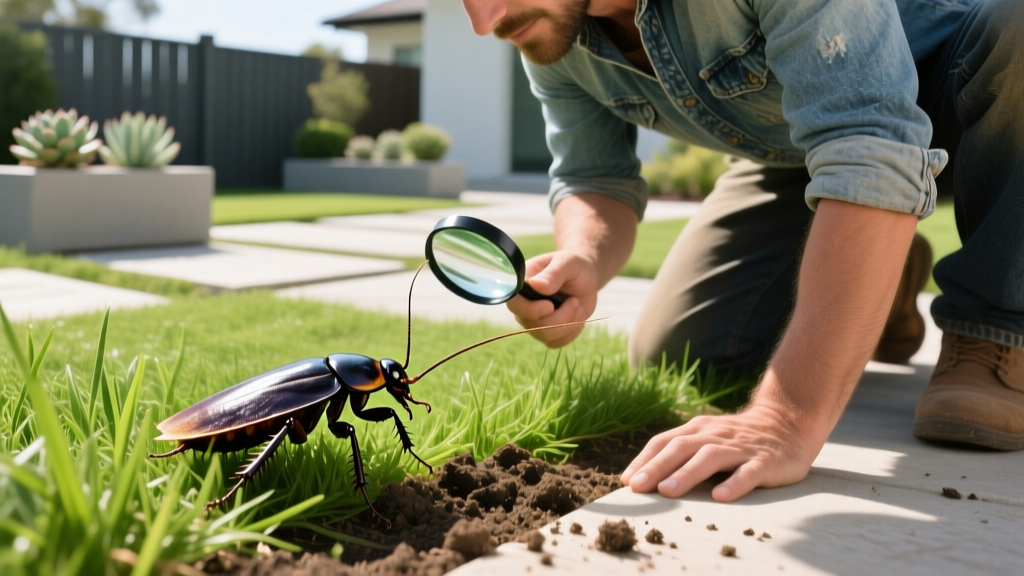
How to Get Rid of Big Roaches: The Ultimate Yard Perimeter Defense
The Peridomestic Pipeline: Why Indoor Sprays Fail
When homeowners ask how to get rid of big roaches, they often make a critical mistake: spraying the baseboards inside their kitchen or bathroom. Big roaches—specifically the American, Smokybrown, and Oriental cockroaches—are peridomestic pests. Unlike the smaller German cockroach, which breeds exclusively indoors, big roaches live, breed, and forage outdoors in your yard, mulch beds, and sewer systems. They only invade your home accidentally while searching for water or when outdoor populations explode.
To permanently eliminate these invaders, you must sever the peridomestic pipeline. This requires shifting your pest control strategy from reactive indoor spraying to proactive yard perimeter defense. According to the EPA's safe pest control guidelines, integrating habitat modification with targeted exterior chemical barriers is the most effective method for long-term suppression of outdoor cockroach populations.
Species Identification Matrix
Accurate identification dictates your treatment strategy. Different species exploit different microclimates in your yard. Use this matrix to identify your specific invader and locate their primary harborage zones.
| Species | Size & Color | Primary Yard Harborage | Key Behavioral Trait |
|---|---|---|---|
| American Cockroach | 1.5 - 2 inches, reddish-brown with yellow head margins | Sewer lines, storm drains, damp mulch, palm trees | Strong fliers in high heat; highly attracted to fermented organic matter. |
| Smokybrown Cockroach | 1.25 - 1.5 inches, uniform dark mahogany/black | Tree holes, roof shingles, dense ivy, stacked firewood | Requires high moisture; prone to desiccation; strong nocturnal fliers. |
| Oriental Cockroach | 1 - 1.25 inches, shiny dark brown to black | Crawlspaces, leaf litter, under concrete patios, water meter boxes | Cannot fly; moves slowly; thrives in cooler, damp ground-level areas. |
For a deeper entomological breakdown of peridomestic species and their regional distributions, refer to the University of Florida IFAS entomology database, which provides extensive data on Smokybrown and American cockroach life cycles in humid climates.
Step-by-Step Yard Habitat Modification
Chemical treatments will wash away or degrade if the underlying yard conditions continue to support a breeding colony. Implement these three habitat modifications before applying any pesticides.
1. Eradicate the Moisture Magnet
Big roaches cannot survive without a consistent water source. A single leaky hose bib can support hundreds of Smokybrown roaches. Audit your exterior plumbing, repair dripping irrigation heads, and ensure your soil grading slopes away from the foundation at a minimum rate of 1/4 inch per foot. Clean gutters bi-annually to prevent downspout splash-back, which creates the damp soil pockets Oriental roaches favor.
2. Establish the 18-Inch Mulch Barrier
Warning: Wood mulch is a primary harborage zone for American cockroaches. If you must use organic mulch, maintain a strict 18-inch gap of bare soil or inorganic gravel between the mulch edge and your home's foundation. Never pile mulch against siding or brick weep holes.
Replace wood mulch in high-risk perimeter zones with pea gravel, crushed stone, or rubber mulch. These inorganic materials do not retain moisture and offer zero nutritional value to foraging roaches.
3. Relocate Organic Debris
Firewood stacks, compost bins, and accumulated leaf litter are essentially roach condominiums. Move firewood at least 20 feet away from the home's exterior and elevate it on metal racks. Keep compost bins sealed and situated at the far back of the property line.
Chemical and Organic Treatment Arsenal
Once the yard is modified, deploy targeted treatments. The modern approach to peridomestic roach control relies on a combination of liquid residuals for immediate knockdown and granular baits for colony elimination via the transfer effect.
| Treatment Type | Active Ingredient & Brand Example | Estimated Cost (2026) | Application Strategy |
|---|---|---|---|
| Liquid Residual (Repellent) | Bifenthrin 7.9% (e.g., Talstar P) | $45 - $55 per gallon | Spray a 3-foot wide barrier on soil and a 2-foot high barrier on the foundation wall. Reapply every 60-90 days. |
| Non-Repellent Liquid | Dinotefuran (e.g., Alpine WSG) | $75 - $85 per box (10 packets) | Spray perimeter and harborage areas. Roaches cannot detect it, track it back to nests, and transfer it to others. |
| Granular Bait | Boric Acid + Bait Matrix (e.g., InTice Perimeter) | $35 - $45 per 25lb bag | Broadcast lightly in mulch beds, leaf litter, and around tree bases. Highly weather-resistant and attracts foragers. |
| Organic Dust | Food-Grade Diatomaceous Earth (DE) | $15 - $20 per 4lb bag | Apply in dry, sheltered areas like crawlspaces and under porches. Loses efficacy immediately if it gets wet. |
Pro Tip for Non-Repellents: Do not mix non-repellent liquids (like Alpine WSG) with repellent liquids (like Bifenthrin) in the same tank. The repellent will override the non-repellent effect, causing roaches to avoid the treated area rather than tracking the lethal dose back to their yard harborage.
Structural Exclusion Tactics
Even with a pristine yard and active chemical barriers, some roaches will attempt to cross the threshold. Physical exclusion is your final line of defense.
- Weep Holes: Insert 1/4-inch copper mesh or specialized plastic weep hole covers into brick mortar gaps. Steel wool will rust and stain your brickwork within weeks; always use copper or stainless steel.
- Pipe Penetrations: Seal gaps around exterior HVAC lines, gas lines, and water mains using a high-quality, exterior-rated silicone polyurethane sealant. Expanding foam degrades under UV light and is easily chewed through by rodents.
- Door Sweeps: Install heavy-duty rubber door sweeps on all exterior doors. The gap between the threshold and the door should be less than 1/16th of an inch—small enough to block even juvenile nymphs.
- Vent Screens: Cover foundation vents and attic soffit vents with 1/16-inch aluminum hardware cloth to prevent flying Smokybrown adults from entering structural voids.
Frequently Asked Questions
Will outdoor bug zappers help control big roaches?
No. UV bug zappers primarily attract and kill beneficial nocturnal insects and moths. Cockroaches are not strongly attracted to UV light, making zappers an ineffective tool for peridomestic roach management.
How often should I reapply granular bait in the yard?
Granular baits like InTice typically remain effective for 60 to 90 days, depending on rainfall and irrigation. Reapply when the granules physically break down or disappear, usually coinciding with the start of heavy summer rain cycles or early autumn breeding peaks.
Can essential oils repel big roaches from my patio?
While peppermint and cedarwood oils have mild, short-term repellent properties, they lack the residual efficacy required for yard defense. They evaporate within hours in outdoor conditions and will not stop a hungry American cockroach from crossing your patio threshold.

