
Pest Control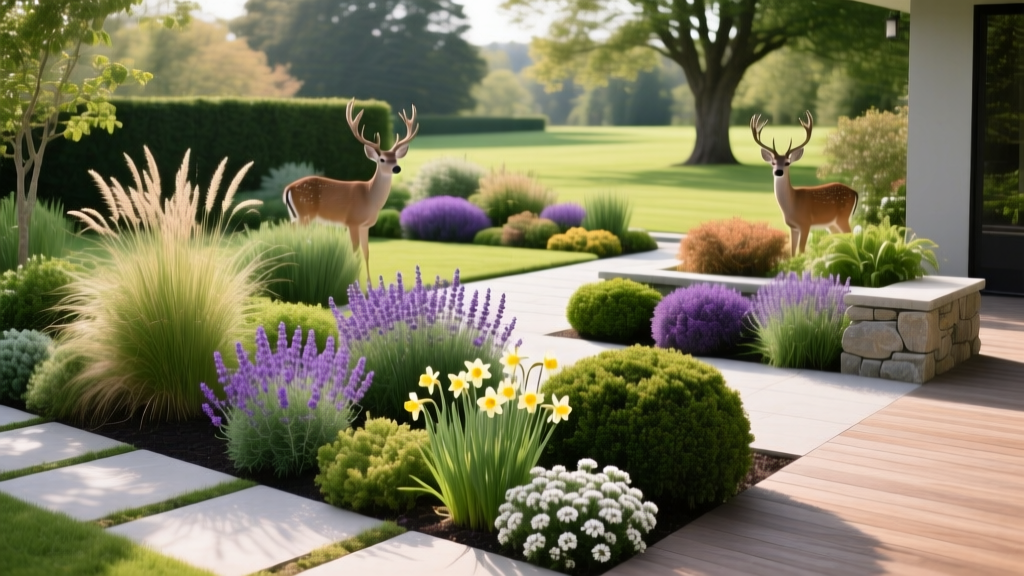
The Best Plants That Keep Deer Away: A Landscaping Guide
The Reality of Botanical Deer Deterrence
When managing large mammal pests, homeowners often search for a silver bullet. The hard truth of wildlife management is that no plant is 100% deer-proof. However, by selecting the right plants that keep deer away, you can create a landscape so unpalatable, toxic, or physically uncomfortable that browsing deer will bypass your yard in favor of easier forage. According to Rutgers Cooperative Extension, deer resistance is a spectrum dictated by local herd pressure, seasonal food scarcity, and the specific biochemical defenses of the plant.
To build a resilient garden, you must move beyond generic plant lists and understand the mechanics of deterrence. This guide provides a strategic, layered planting framework, complete with specific cultivars, exact spacing requirements, and the biological reasons why these plants succeed where others fail.
⚠️ The 'Deer-Proof' Myth: A starving deer in late winter will eat almost anything, including thorny roses and toxic yew. Botanical deterrence is about making your landscape the least appealing option in the neighborhood, not an impenetrable fortress.
The Triad of Botanical Defense
Deer rely heavily on their sense of smell and the physical sensation of chewing to evaluate forage. The most effective deer-resistant plants leverage one or more of three primary defense mechanisms:
- Toxicity & Bitterness (Chemical Defense): Plants containing alkaloids, glycosides, or terpenes taste intensely bitter or cause mild gastrointestinal distress. Examples include Daffodils (Narcissus) and Foxglove (Digitalis).
- Texture & Architecture (Physical Defense): Leaves covered in dense trichomes (fuzz), waxy cuticles, or stiff, serrated edges are physically difficult to chew and swallow. Lamb's Ear (Stachys byzantina) is a prime example.
- Volatile Oils (Olfactory Defense): Strongly aromatic plants mask the scent of more palatable nearby plants and overwhelm the deer's sensitive nasal receptors. Lavender and Russian Sage excel here.
Tier 1: The Perimeter Defense Matrix
Your first line of defense should be a dense perimeter of highly resistant shrubs and small trees. These plants act as a visual and olfactory barrier, discouraging deer from entering the property. As of 2026, nursery pricing for established 3-gallon shrubs averages $35 to $55, making this a long-term investment.
| Plant Species & Cultivar | USDA Zones | Mature Size | Primary Defense | Spacing |
|---|---|---|---|---|
| Boxwood (Buxus sempervirens 'Suffruticosa') | 5-8 | 2-3 ft H x 2-3 ft W | Alkaloid toxicity (Buxine) | 18-24 in. on center |
| Colorado Blue Spruce (Picea pungens) | 2-7 | 30-60 ft H x 15-20 ft W | Stiff, sharp needles | 15 ft. apart |
| Japanese Plum Yew (Cephalotaxus harringtonia) | 6-9 | 5-10 ft H x 5-14 ft W | Harringtonine alkaloids | 4-6 ft. apart |
| Ginkgo (Ginkgo biloba 'Autumn Gold') | 3-8 | 40-50 ft H x 25-35 ft W | Butyric acid (foul odor) | 20+ ft. apart |
Note: Always select male Ginkgo cultivars like 'Autumn Gold' or 'Princeton Sentry'. Female trees drop fruit that smells like rancid butter, which deters deer but will also deter you from using your patio.
Tier 2: Understory & Accent Deterrents
Once the perimeter is secured, focus on the garden beds. Deer often target the tender, high-nitrogen new growth of ornamental perennials. Replace vulnerable species like Hostas and Daylilies with these highly resistant alternatives.
Aromatic & Foliage Alternatives
- Russian Sage (Perovskia atriplicifolia 'Blue Spire'): Thrives in poor, dry soil (pH 6.5-7.5). The combination of camphor-scented volatile oils and fuzzy, deeply lobed leaves makes it highly unpalatable. Plant in full sun, spacing 24 inches apart to ensure adequate airflow and prevent powdery mildew.
- Lamb's Ear (Stachys byzantina 'Helen von Stein'): Grown specifically for its thick, woolly, silver-green leaves. The dense trichomes create a physical barrier in the deer's mouth. This cultivar rarely flowers, preventing the messy die-back seen in older varieties. Requires well-draining soil; heavy clay will cause crown rot.
- Bleeding Heart (Lamprocapnos spectabilis): Ideal for shaded woodland edges where deer pressure is high. Contains isoquinoline alkaloids that are toxic to mammals. Goes dormant in mid-summer, so interplant with deer-resistant ferns like the Cinnamon Fern (Osmundastrum cinnamomeum) to fill the gap.
Bulb & Tuber Defenses
While deer will readily dig up and eat tulips and crocus, they actively avoid bulbs in the Amaryllidaceae family due to the presence of lycorine, a toxic crystalline alkaloid.
"When naturalizing bulbs in deer-heavy zones, Daffodils (Narcissus), Snowdrops (Galanthus), and Alliums are your only reliable options. Planting a ring of Allium 'Globemaster' around the base of a vulnerable tree can actually mask the scent of the tree's bark during winter."
— Adapted from Penn State Extension guidelines on ornamental resistance.
The Strategic Layering Framework
To maximize deterrence, do not plant in isolated clusters. Deer are opportunistic; if they find a gap, they will exploit it. Use the Scent-Texture-Toxicity (STT) Layering Method:
- The Olfactory Shield (Outer Edge): Plant a 3-foot wide border of highly aromatic sub-shrubs like Lavender (Lavandula angustifolia 'Hidcote') or Sage. This confuses the deer's sense of smell before they even enter the bed.
- The Physical Barrier (Mid-Ground): Behind the scent shield, plant structurally rigid or fuzzy plants like Yucca, Boxwood, or Lamb's Ear. This forces the deer to physically push through uncomfortable foliage to reach the center.
- The Toxic Core (Inner Bed): Reserve the center of your protected beds for your most prized, slightly vulnerable plants, surrounded by toxic perennials like Foxglove, Monkshood (Aconitum), or Hellebores.
Why 'Resistant' Plants Fail: Troubleshooting Edge Cases
Even master landscapers experience deer damage. According to wildlife biologists at the University of Maryland Extension, browsing on resistant plants usually stems from three specific environmental or horticultural errors:
Failure Mode 1: The Spring Starvation Window
In late March and April, natural forage is depleted, but new garden growth is emerging. Deer will eat toxic or fuzzy plants out of sheer caloric desperation. Solution: Apply a liquid repellent containing putrescent whole egg solids (e.g., Deer Away or Plantskydd) to the perimeter during this 4-week window.
In late March and April, natural forage is depleted, but new garden growth is emerging. Deer will eat toxic or fuzzy plants out of sheer caloric desperation. Solution: Apply a liquid repellent containing putrescent whole egg solids (e.g., Deer Away or Plantskydd) to the perimeter during this 4-week window.
Failure Mode 2: Nitrogen Flushing
Over-fertilizing deer-resistant plants with high-nitrogen synthetic fertilizers (like 20-5-10) causes rapid, succulent growth. This flush of water and nitrogen dilutes the plant's secondary defensive metabolites (the bitter alkaloids and terpenes), making them temporarily palatable. Solution: Use slow-release, low-nitrogen organic fertilizers (like 4-3-4 Espoma Plant-tone) to maintain steady, chemically defended growth.
Over-fertilizing deer-resistant plants with high-nitrogen synthetic fertilizers (like 20-5-10) causes rapid, succulent growth. This flush of water and nitrogen dilutes the plant's secondary defensive metabolites (the bitter alkaloids and terpenes), making them temporarily palatable. Solution: Use slow-release, low-nitrogen organic fertilizers (like 4-3-4 Espoma Plant-tone) to maintain steady, chemically defended growth.
Failure Mode 3: Browsing Young Tissue
Deer prefer the tender apical meristems (the very tips of new branches) over mature, lignified wood. A mature Boxwood is highly resistant, but a freshly pruned or newly planted Boxwood pushing soft green shoots will be nipped. Solution: Cease all pruning of perimeter shrubs by mid-July to allow new growth to harden off and lignify before the fall and winter browsing season begins.
Deer prefer the tender apical meristems (the very tips of new branches) over mature, lignified wood. A mature Boxwood is highly resistant, but a freshly pruned or newly planted Boxwood pushing soft green shoots will be nipped. Solution: Cease all pruning of perimeter shrubs by mid-July to allow new growth to harden off and lignify before the fall and winter browsing season begins.
Frequently Asked Questions
Do deer eventually get used to the smell of aromatic plants?
No. Deer do not habituate to the volatile oils in plants like Lavender, Rosemary, or Russian Sage. These compounds physically irritate their nasal passages and taste receptors. However, if a highly palatable plant (like a Hosta) is planted inside a ring of Lavender, the deer will eventually push through the scent barrier to reach the preferred food. The deterrent only works if there is no high-value reward behind it.
Are ornamental grasses deer resistant?
Most are. Deer generally avoid ornamental grasses like Miscanthus, Panicum (Switchgrass), and Pennisetum (Fountain Grass) because the leaves contain high levels of silica, which rapidly wears down their teeth. Leaving grasses uncut through the winter provides an excellent, zero-maintenance physical barrier around garden beds.
How close should I space deterrent plants for maximum effect?
For perimeter shrubs like Boxwood or Yew, spacing is critical. Plant them 10-20% closer than their recommended mature spread (e.g., if a shrub spreads 3 feet, plant them 2.5 feet apart on center). This creates a dense, impenetrable thicket that deer cannot easily walk through, forcing them to walk around the barrier rather than pushing into your garden beds.

