
Pest Control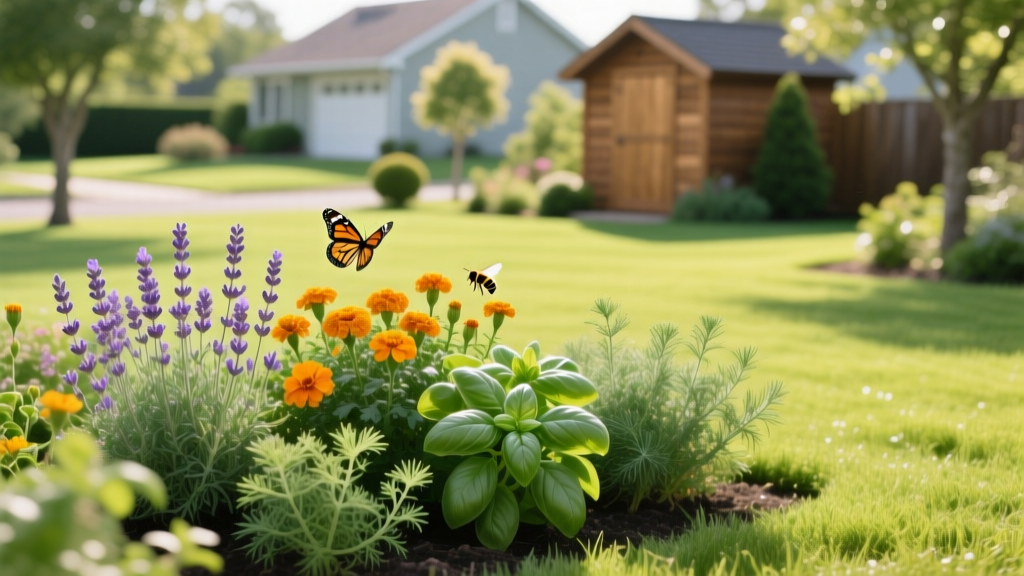
Pest Playbook: Top Plants That Repel Insects From Your Lawn
Relying solely on synthetic pesticides to protect your lawn and garden is a reactive, often ecologically damaging strategy. The modern Pest & Weed Removal Playbook emphasizes proactive, biological defense mechanisms. By strategically deploying specific plants that repel insects, homeowners can establish a living perimeter that disrupts pest navigation, feeding, and breeding cycles. This guide moves beyond generic companion planting advice, providing exact cultivar selections, spatial deployment matrices, and soil chemistry requirements to build a functional botanical shield around your property.
The Science of Botanical Pest Deterrence
Plants do not repel pests through magic; they utilize complex chemical warfare. Insects locate hosts via olfactory receptors that detect specific volatile organic compounds (VOCs). Repellent plants emit high concentrations of terpenes, alkaloids, and essential oils that mask the scent of your turfgrass and vegetable crops, or actively irritate the insect's nervous system. For example, the linalool in lavender disrupts mosquito olfaction, while alpha-terthienyl in marigold roots is highly toxic to soil-dwelling nematodes. Understanding these active compounds is critical to selecting the right plant for your specific pest pressure.
The Perimeter Defense Matrix
Use this deployment matrix to match your primary pest problem with the correct botanical agent. Spacing and hardiness data are calibrated for optimal VOC dispersion and plant survival.
| Botanical Agent (Cultivar) | Active Compound | Target Pests | Optimal Spacing | USDA Zones |
|---|---|---|---|---|
| French Marigold (Tagetes patula) | Alpha-terthienyl, Limonene | Root-knot nematodes, whiteflies, aphids | 8-10 inches | 2-11 (Annual) |
| English Lavender (Lavandula angustifolia 'Munstead') | Linalool, Linalyl acetate | Mosquitoes, fleas, moths | 18-24 inches | 5-9 (Perennial) |
| Rosemary (Salvia rosmarinus) | 1,8-cineole, Camphor | Cabbage moths, carrot rust flies, mosquitoes | 24-36 inches | 7-10 (Perennial) |
| Allium (Allium giganteum) | Allicin, Sulfur compounds | Japanese beetles, aphids, spider mites | 12-15 inches | 4-9 (Perennial) |
| Nasturtium (Tropaeolum majus) | Benzyl isothiocyanate | Aphids (Trap crop), squash bugs | 10-12 inches | 9-11 (Annual) |
Tactical Deployment: Zone-by-Zone Planting Guide
To maximize the efficacy of plants that repel insects, you must deploy them in concentric zones based on pest behavior and plant environmental requirements.
Zone 1: The Lawn Border & Turf Edge
The transition zone between your lawn and garden beds is the primary entry point for crawling insects and a hotspot for soil-borne pests. Deploy French Marigolds here. Unlike African marigolds, the French variety (Tagetes patula) produces a higher concentration of alpha-terthienyl in its root exudates, which suppresses root-knot nematodes that often migrate from ornamental beds into turfgrass roots.
- Cost: Approximately $3.50 to $5.00 per 6-pack of 4-inch plugs at local nurseries.
- Soil Prep: Amend heavy clay with 2 inches of compost to ensure drainage. Marigolds will fail and rot in waterlogged soil.
- Maintenance: Deadhead spent blooms weekly to force continuous flowering and VOC production until the first frost.
Zone 2: Patio, Foundation & Hardscape Shield
Mosquitoes and fleas thrive in the microclimates created by patios, decks, and home foundations. Plant English Lavender ('Munstead') and Prostrate Rosemary in these high-traffic human zones.
Critical Failure Mode: Lavender is highly susceptible to Phytophthora root rot if planted in standard topsoil or heavy clay. To ensure survival and continuous pest deterrence, plant lavender in raised beds or berms amended with 30% coarse pumice or perlite. The soil pH must be strictly maintained between 6.7 and 7.3; apply 2 cups of agricultural lime per 10 square feet if your native soil is acidic.
Zone 3: Vegetable & Flower Bed Interplanting
Inside the garden beds, use Nasturtiums as a sacrificial trap crop. Rather than repelling aphids, nasturtiums actively attract them away from your prized vegetables. The plant's mustard oils (benzyl isothiocyanate) are highly preferred by aphids. Plant nasturtiums exactly 3 feet away from your primary crops; if planted too close, the aphids will simply bridge the gap.
⚠️ Playbook Warning: Allium & Pet Toxicity
While Giant Alliums are exceptional at repelling Japanese beetles, all plants in the Allium genus (including ornamental onions, garlic, and chives) contain N-propyl disulfide, which is highly toxic to dogs and cats. If your lawn is a primary pet play area, exclude Alliums from your perimeter defense and substitute with Catmint (Nepeta faassenii), which repels flea beetles and aphids safely.
Maximizing Efficacy: The 'Crush and Release' Technique
A common misconception is that plants that repel insects work passively simply by existing in the soil. In reality, many botanical repellents—particularly rosemary, mint, and lemon balm—require physical agitation to release their defensive terpenes into the air.
- Identify High-Traffic Nodes: Locate the rosemary or scented geraniums planted near your patio seating or lawn entryways.
- Mechanical Agitation: Before hosting an outdoor evening event, lightly brush or crush the lower foliage of these plants using gloved hands.
- Volatile Release: This mechanical damage ruptures the trichomes (glandular hairs) on the leaves, releasing a concentrated cloud of 1,8-cineole and camphor that masks human carbon dioxide signatures from mosquitoes for approximately 2 to 4 hours.
When Botanical Repellents Fail: IPM Fallbacks
Botanical defenses are highly effective for prevention and low-to-moderate pest pressure, but they are not a silver bullet for active, severe infestations. According to the EPA's Integrated Pest Management (IPM) guidelines, biological and mechanical controls must be supplemented with targeted chemical interventions when economic or aesthetic injury thresholds are crossed.
If your marigold perimeter is overwhelmed by a massive whitefly migration, or your turf is suffering from a severe grub infestation that alliums cannot deter, pivot immediately to reduced-risk biological pesticides:
- For Caterpillars/Grubs: Apply Bacillus thuringiensis (Bt) or beneficial nematodes (Heterorhabditis bacteriophora) at a rate of 1 billion nematodes per acre, watered in during the evening to prevent UV degradation.
- For Sucking Insects (Aphids/Whiteflies): Deploy Spinosad-based sprays, which are derived from soil actinomycete bacteria and are highly lethal to target pests while remaining safe for mammals once dried.
"Companion planting and botanical repellents form the foundational layer of a robust IPM strategy. They reduce the baseline pest population and lower the threshold at which you need to intervene with biological or synthetic pesticides, ultimately preserving the beneficial predator insects in your lawn ecosystem."
— Adapted from principles outlined by the Old Farmer's Almanac Companion Planting Guidelines
FAQ: Troubleshooting Your Botanical Defense
Do I need to plant mint to repel ants from my lawn?
While mint (Mentha spp.) contains pulegone, which deters ants, never plant mint directly in or adjacent to your lawn. Mint is aggressively invasive via underground rhizomes and will rapidly colonize your turfgrass, creating a monoculture that is nearly impossible to eradicate without systemic herbicides. If you must use mint, plant it in isolated, sunken 5-gallon containers with the bottoms removed, placed at least 10 feet from your turf edge.
How close to the grass should I plant my repellent border?
Maintain a strict 6-inch hardscape or mulch buffer between your lawn edge and your botanical border. Planting repellent species directly against the turf edge leads to competition for water and nutrients, and makes mowing with a string trimmer hazardous to the plant's cambium layer. Use a steel edging barrier sunk 4 inches deep to separate the zones physically.
Will these plants repel beneficial insects like bees?
No. The VOCs that repel pests like mosquitoes, nematodes, and aphids are actually highly attractive to pollinators. Lavender, borage, and marigolds will significantly increase the population of native solitary bees and honeybees in your garden, enhancing the overall health and pollination rates of your surrounding flora.

