
Pest Control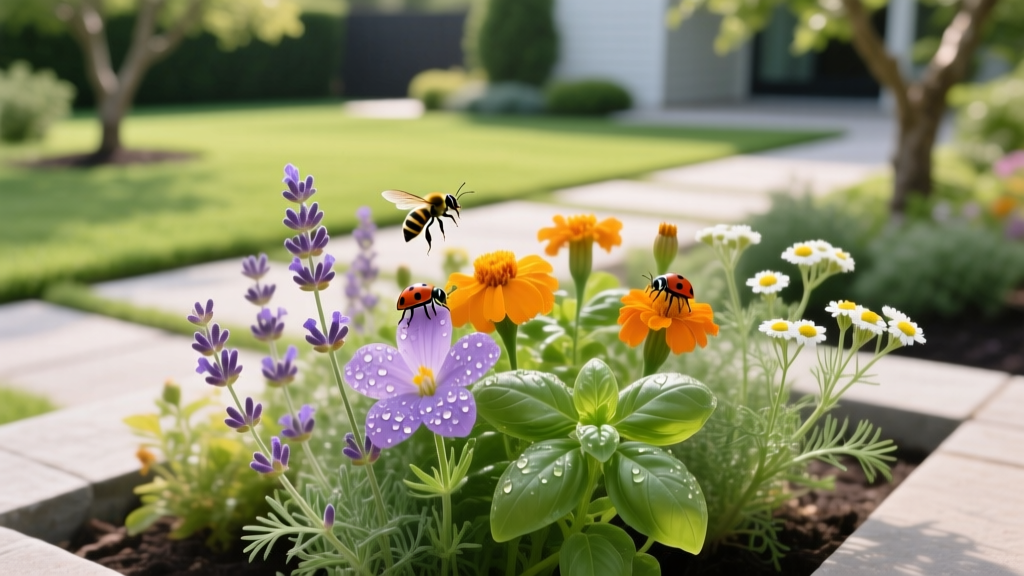
Top Bug Repellent Flowers for Yard Defense and Natural Pest Control
The Biochemical Mechanics of Botanical Defense
Integrating bug repellent flowers into your landscape is not merely an aesthetic choice; it is a biochemical strategy for yard defense. Unlike synthetic sprays that degrade under UV light within hours, specific flowering plants continuously emit volatile organic compounds (VOCs) and produce secondary metabolites that disrupt pest behavior. These botanical defenses operate through three primary mechanisms: olfactory masking (hiding the scent of host plants), contact toxicity (poisoning pests upon physical contact), and root-zone exudation (releasing nematicidal compounds into the soil).
For homeowners managing both insect and rodent pressures, selecting the correct cultivars is critical. A common failure mode in natural pest control is planting generic ornamental varieties that lack the necessary concentration of active repellent compounds. True yard defense requires selecting species with documented biochemical efficacy, such as those producing alpha-terthienyl, pyrethrins, or thiosulfinates.
Top-Tier Bug Repellent Flowers: A Comparison Matrix
The following matrix details the most effective flowering plants for perimeter and companion defense, focusing on their active chemical agents and specific target pests.
| Plant Species (Cultivar) | Active Repellent Compound | Primary Target Pests | Optimal Spacing & Sun |
|---|---|---|---|
| French Marigold (Tagetes patula) | Alpha-terthienyl, Limonene | Root-knot nematodes, whiteflies, aphids | 8-12 inches apart; Full sun |
| Dalmatian Chrysanthemum (Chrysanthemum cinerariifolium) | Pyrethrin I and II | Aphids, spider mites, Japanese beetles | 18-24 inches apart; Full sun |
| Ornamental Allium (Allium giganteum) | Thiosulfinates, Allicin | Voles, mice, deer, onion flies | 10-14 inches apart; Full sun |
| Nasturtium (Tropaeolum majus) | Benzyl isothiocyanate | Aphids (trap crop), squash bugs | 10-12 inches apart; Full/Part sun |
| Lavender (Lavandula angustifolia) | Linalool, Camphor | Fleas, ticks, mosquitoes, moths | 24-36 inches apart; Full sun |
Bridging the Gap: Insect & Rodent Yard Defense
Most bug repellent flowers are entirely ineffective against rodents. Mice, voles, and rats rely heavily on their olfactory senses to locate food and navigate tunnel systems, but they are not deterred by the floral VOCs that repel insects. To achieve comprehensive yard defense, you must integrate bulbous flowers that produce toxic alkaloids and pungent sulfur compounds.
Rodent-Specific Floral Defenses
- Daffodils (Narcissus pseudonarcissus): Contain lycorine, a toxic crystalline alkaloid. Voles and gophers will actively tunnel around daffodil bulbs rather than ingest them. Plant these in a 6-inch deep trench along the perimeter of vulnerable vegetable beds.
- Crown Imperial (Fritillaria imperialis): Emits a distinct, skunk-like musk at the root level due to sulfur-based compounds. This odor is highly offensive to burrowing rodents. Space bulbs 12 inches apart and plant 8 inches deep to create an underground olfactory barrier.
- Ornamental Alliums: As noted in the matrix, the high thiosulfinate content in allium foliage and bulbs mimics the defense mechanisms of culinary garlic and onions, making them unpalatable to foraging rodents.
Warning: The Citronella Geranium Myth
Many garden centers sell Pelargonium citrosum (Citronella Geranium) marketed as a mosquito repellent. Research demonstrates that this plant does not emit sufficient citronellal into the air to repel mosquitoes unless the leaves are physically crushed and rubbed directly on the skin. For actual airborne mosquito defense, plant true Citronella Grass (Cymbopogon nardus) or rely on the linalool emissions of Lavandula angustifolia.
Strategic Placement and Companion Planting Framework
Planting a single marigold next to a tomato plant will not protect it from hornworms or nematodes. Botanical repellents require critical mass. The volatile oils must reach a threshold concentration in the ambient air or soil microbiome to alter pest behavior.
According to guidelines on botanical pesticides and EPA documentation on naturally derived pyrethrins, the efficacy of contact-toxic flowers like chrysanthemums relies on physical pest interaction with the plant's trichomes (leaf hairs). Therefore, placement must force pests to navigate through the floral barrier to reach your prized crops.
The 15% Canopy Rule
For above-ground insect defense (repelling whiteflies and aphids), bug repellent flowers must comprise at least 15% of the total canopy area of your garden bed. If you have a 100-square-foot raised bed, dedicate 15 square feet to dense plantings of French marigolds or nasturtiums. For below-ground nematode defense, interplant marigolds at a density of one plant per square foot, allowing them to grow for a full 90-day season before tilling their biomass into the soil.
Step-by-Step: Establishing a Perimeter Defense Border
To protect a central lawn or patio area from encroaching ticks, fleas, and foraging rodents, establish a multi-tiered botanical border.
- Soil Preparation: Amend the perimeter soil with 2 inches of compost. Avoid high-nitrogen synthetic fertilizers, which promote rapid, sappy vegetative growth in flowers, actually making them more attractive to sap-sucking insects like aphids.
- Layer 1 (The Underground Barrier): Plant Fritillaria imperialis and Narcissus bulbs 8 inches deep, spaced 12 inches apart, along the absolute outer edge of the border facing the wild yard.
- Layer 2 (The Mid-Canopy Repellent): Plant Allium giganteum and Lavandula angustifolia 'Munstead' 18 inches behind the bulb layer. The lavender provides the linalool necessary to deter ticks and fleas from crossing into the lawn.
- Layer 3 (The Groundcover Trap): Plant trailing nasturtiums along the inner edge facing the lawn. This acts as a trap crop, drawing any remaining aphids away from central ornamental shrubs.
- Maintenance: Deadhead the marigolds and nasturtiums weekly. Allowing flowers to go to seed signals the plant to halt the production of defensive VOCs and pyrethrins, severely reducing their pest-repellent capabilities.
Real-World Troubleshooting and Failure Modes
Even with the correct plant selections, environmental factors can compromise your yard defense strategy. Address these common failure modes immediately:
- Failure Mode: Marigolds dying in mid-summer. Cause: Spider mites thrive in hot, dusty conditions and will strip Tagetes foliage. Fix: Spray the marigold foliage with a strong jet of water every three days to disrupt mite webbing and maintain high humidity around the plant base.
- Failure Mode: Chrysanthemums failing to repel beetles. Cause: Pyrethrins degrade rapidly when exposed to direct, intense UV radiation. Fix: Plant Chrysanthemum cinerariifolium in areas that receive morning sun but are shaded during the harsh 2 PM to 5 PM afternoon window to preserve the chemical integrity of the flowers.
- Failure Mode: Rodents tunneling directly under the allium barrier. Cause: Voles are highly adaptable and will tunnel deeper than the root zone to bypass the thiosulfinate odor. Fix: Combine the allium planting with a physical barrier. Bury 1/4-inch hardware cloth 18 inches deep directly behind the allium row, bending the bottom 6 inches outward in an 'L' shape to block deep tunneling.
For further reading on integrating natural repellents with broader safe pest control practices, consult the EPA guidelines on repellents and botanical defenses. By combining precise cultivar selection, strategic spatial density, and an understanding of biochemical failure modes, you can establish a robust, living perimeter that defends your yard against both insects and rodents without relying on synthetic broad-spectrum pesticides.

