
Pest Control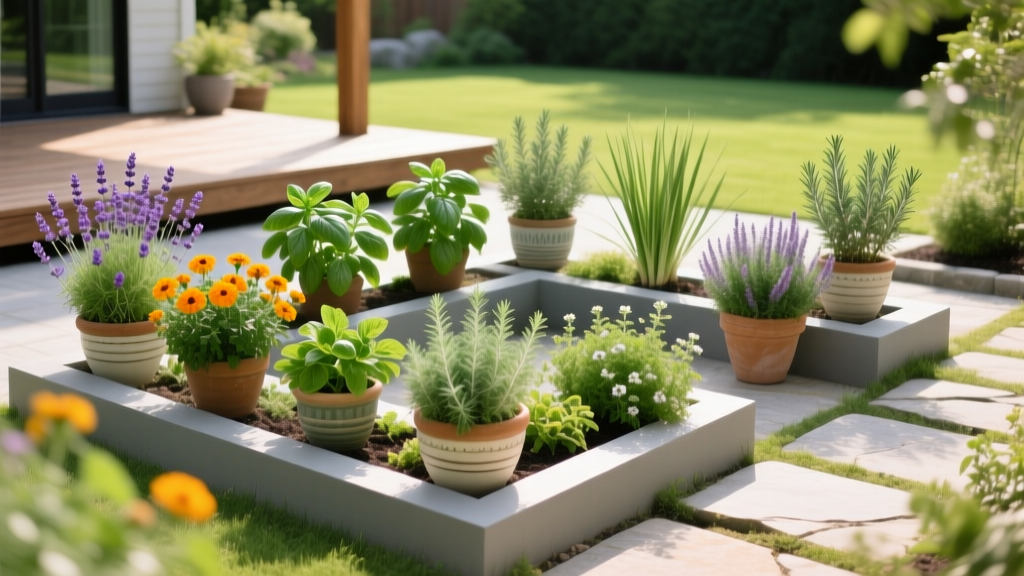
12 Best Bug Repellent Plants for Yard & Patio Defense
The Reality of Botanical Pest Control
When homeowners search for natural pest management, bug repellent plants often top the list. However, it is critical to understand the biological mechanism at play. These plants do not generate an invisible, impenetrable forcefield. Instead, they emit volatile organic compounds (VOCs)—such as linalool, camphor, and limonene—that mask human carbon dioxide signatures or irritate the olfactory receptors of insects like mosquitoes, aphids, and whiteflies. For effective yard defense, botanical repellents must be integrated into a broader strategy aligned with the EPA's Integrated Pest Management principles, combining habitat modification, physical barriers, and targeted botanical placement.
⚠️ The 'Forcefield' Myth: Simply planting a single lavender bush in the corner of your yard will not stop mosquitoes from biting you on the patio. To achieve meaningful deterrence, repellent plants must be planted in high-density clusters, strategically placed in the 'breathing zone' (within 3 to 5 feet of seating areas), and occasionally bruised or agitated to release their essential oils into the immediate air space.
Top Insect-Repelling Cultivars for Sun & Shade
Not all varieties of a plant species offer the same level of pest resistance. The concentration of repellent essential oils varies wildly between cultivars. Below is a selection matrix of the most effective, scientifically backed cultivars for residential landscapes, updated with current 2026 nursery pricing averages.
| Plant & Cultivar | Target Pests | Sun / Soil pH | Spacing & Cost |
|---|---|---|---|
| Lavender Lavandula x intermedia 'Provence' |
Mosquitoes, flies, moths | Full Sun / pH 6.5-7.5 | 24-30 inches apart $18-$28 (2-gal) |
| Rosemary Rosmarinus officinalis 'Tuscan Blue' |
Mosquitoes, cabbage loopers | Full Sun / pH 7.0-7.8 | 36 inches apart $22-$35 (3-gal) |
| French Marigold Tagetes patula 'Queen Sophia' |
Whiteflies, root-knot nematodes | Full Sun / pH 6.0-7.0 | 8-10 inches apart $4-$6 (4-inch pot) |
| Lemon Thyme Thymus citriodorus 'Aureus' |
Mosquitoes, spider mites | Full/Part Sun / pH 6.0-8.0 | 12-18 inches apart $5-$8 (1-qt) |
| Citronella Grass Cymbopogon nardus |
Mosquitoes, biting flies | Full Sun / pH 5.5-7.0 | 24 inches apart $15-$25 (1-gal) |
Deep Dive: The Marigold Nematode Mechanism
Many gardeners plant marigolds casually, but their true power lies underground. French marigolds (Tagetes patula) produce a biochemical compound called alpha-terthienyl in their roots. According to University of California IPM guidelines, this compound is highly toxic to root-knot nematodes, microscopic worms that destroy vegetable roots. However, this only works if the marigolds are planted densely (no more than 8 inches apart) and allowed to grow for an entire season. Simply placing a single marigold next to a tomato plant will not protect it; the root zones must overlap to create a chemical barrier in the soil.
Rodent & Mole Deterrent Flora
While insect repellency relies on airborne VOCs, deterring subterranean rodents like voles, moles, and gophers requires toxic or highly irritating root and bulb structures. Rodents rely heavily on their sense of smell and taste when foraging, and certain bulbous plants contain alkaloids and sulfurous compounds that make them unpalatable or lethal.
- Giant Allium (Allium giganteum): The high sulfur content in allium bulbs creates a strong odor that repels voles and deer. Plant these massive bulbs 8 inches deep and 12 inches apart in the fall. Expect to pay $6 to $9 per bulb for premium 20cm+ circumference sizes.
- Daffodils (Narcissus pseudonarcissus): Unlike tulips, which rodents view as an appetizer, daffodils contain lycorine, a toxic alkaloid that causes severe gastrointestinal distress in mammals. Plant them in 6-inch deep trenches along the perimeter of your garden beds to create a subterranean biological fence.
- Castor Bean (Ricinus communis): Often used as a mole deterrent due to the presence of ricin in its seeds. Warning: This plant is highly toxic to humans and pets. Only use this in strictly ornamental, fenced-off areas where children and dogs cannot access the seed pods. It grows rapidly, reaching 6 to 10 feet in a single season, and requires rich, well-draining soil.
Strategic Placement & Container Tactics
The effectiveness of bug repellent plants drops exponentially if they are placed too far from your living spaces. To maximize the olfactory masking effect, utilize the 'Patio Perimeter Strategy':
- Map the Airflow: Observe the prevailing wind direction in your yard during the evening hours when mosquitoes are most active (dusk).
- Create an Upwind Barrier: Place your potted repellent plants (like Citronella Grass and Lemon Thyme) on the upwind side of your patio. This ensures the breeze carries the VOCs directly over your seating area.
- Utilize Sunken Containers for Mint: Peppermint and spearmint are excellent ant and flea repellents, but their rhizomatous root systems will aggressively choke out your lawn. Plant mint in 15-inch diameter, heavy-duty resin pots, and sink the pots into the ground so the rim is 2 inches above the soil line. This contains the roots while maintaining the aesthetic of an in-ground planting.
- The Agitation Technique: Keep a pair of gardening shears or a soft brush near your patio. Gently brushing against the foliage of rosemary or lavender right before you sit down releases a sudden burst of essential oils, providing a 30-to-45-minute window of heightened deterrence.
Common Failure Modes & Troubleshooting
Even experienced gardeners make critical errors when establishing a botanical defense system. Avoid these common pitfalls:
❌ The Scented Geranium Trap
Many big-box stores sell Pelargonium citrosum labeled as the 'Mosquito Plant' or 'Citronella Plant'. This is a scented geranium, not true citronella grass. While it smells faintly of lemon when crushed, it lacks the high concentrations of citronellal required to actually repel mosquitoes in an open-air environment. Always verify the botanical name Cymbopogon nardus for true efficacy.
❌ Overwatering Mediterranean Herbs
Lavender, rosemary, and thyme are native to the rocky, arid Mediterranean basin. Planting them in heavy, moisture-retaining clay soil or watering them on the same schedule as your lawn will cause fatal root rot (Phytophthora) within weeks. Amend their planting holes with 40% coarse pumice or perlite to ensure rapid drainage.
Integrating Plants with Broader Yard Defense
Bug repellent plants are a powerful layer in your yard's defense matrix, but they cannot compensate for poor habitat management. The Centers for Disease Control and Prevention emphasizes that eliminating standing water is the single most effective way to reduce mosquito populations. Ensure your gutters are clear, grade your soil to prevent puddling near foundations, and treat unavoidable water features with Bacillus thuringiensis israelensis (Bti) dunks. By combining rigorous habitat modification with strategically placed, high-VOC botanical cultivars, you can reclaim your outdoor spaces without relying exclusively on synthetic chemical sprays.

