
Pest Control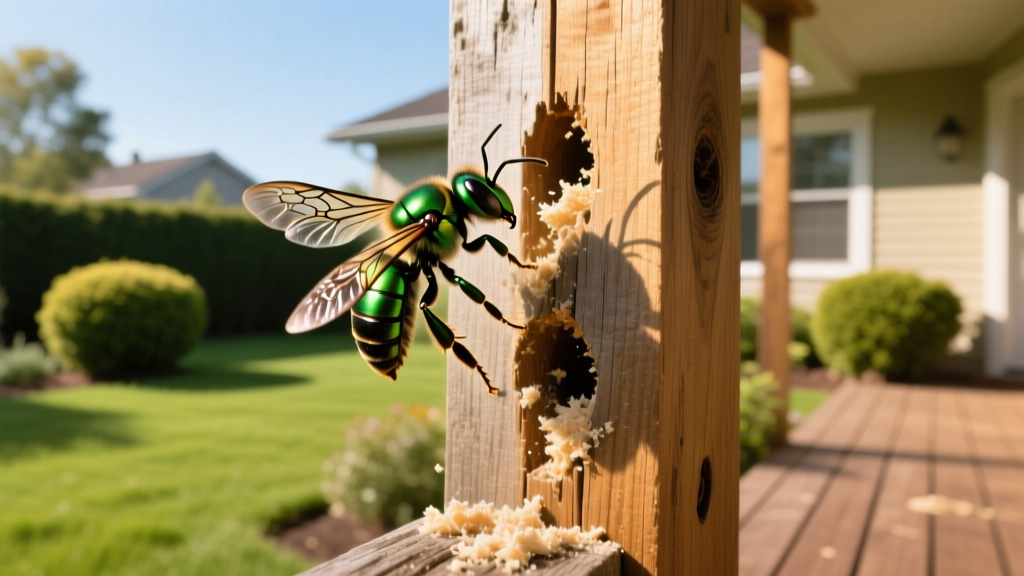
Carpenter Bee Prevention: Chemical and Natural Wood Defense
The Hidden Threat to Your Home's Woodwork
Carpenter bees (Xylocopa virginica) are robust, solitary insects that pose a unique threat to residential structures. Unlike termites or carpenter ants, these insects do not consume wood for sustenance. Instead, they excavate perfectly circular, half-inch galleries into softwoods to create nesting chambers for their offspring. While a single season of boring may only result in cosmetic blemishes, successive generations will expand these tunnels, compromising the structural integrity of fascia boards, deck railings, and pergolas. Effective carpenter bee prevention requires a multi-layered approach combining surface modifications, targeted chemical barriers, and proactive gallery management.
Understanding Target Preferences and Behavior
To implement successful carpenter bee prevention, you must understand their material preferences. These insects heavily favor unpainted, weathered softwoods such as cedar, redwood, cypress, and pine. They generally avoid hardwoods and heavily painted surfaces. The excavation process begins in early spring (typically March through May, depending on your hardiness zone), when mated females seek out existing tunnels or create new ones. According to Penn State Extension, a primary gallery can extend six to ten inches deep, often branching into multiple sub-chambers where larvae develop. By late summer, the new generation emerges, often overwintering in the very same tunnels, guaranteeing a renewed infestation the following year if left untreated.
The Carpenter Bee Prevention Matrix: Surface Treatments
Altering the surface of the wood is the most permanent preventive measure. The following matrix compares the efficacy, cost, and maintenance requirements of common wood finishes for deterring excavation.
| Treatment Type | Deterrent Efficacy | Estimated Cost (2026) | Maintenance Cycle | Best Application |
|---|---|---|---|---|
| 100% Acrylic Latex Paint | High (95%+) | $45 - $65 / gallon | 5 - 8 years | Fascia boards, soffits, trim |
| Solid Color Stain | Medium (70%) | $35 - $50 / gallon | 3 - 5 years | Decks, fences, pergolas |
| Clear Polyurethane | Low-Medium (50%) | $25 - $40 / quart | 2 - 3 years | Wooden furniture, railings |
| Citrus/Almond Oil | Low (Temporary) | $15 - $25 / bottle | 2 - 4 weeks | Temporary spring deterrent |
Painting remains the gold standard for carpenter bee prevention. A thick coat of exterior acrylic latex paint completely masks the wood grain and creates a hardened shell that female bees cannot easily mandible through. If you prefer the natural look of cedar or redwood, you must accept a higher risk and rely more heavily on chemical and natural deterrents.
Step-by-Step Chemical Defense Strategy
For unpainted wood or areas with historical infestations, applying a residual insecticide is critical. The goal is to treat the wood before the spring mating flight begins.
1. Liquid Residual Barrier Application
Use a micro-encapsulated liquid insecticide like Tempo SC Ultra (active ingredient: cyfluthrin). This formulation binds well to porous wood and resists UV degradation. Mix 8 to 16 milliliters of Tempo SC Ultra per gallon of water. Using a pump sprayer, thoroughly coat the underside of eaves, deck joists, and the back sides of fascia boards. Apply when outdoor temperatures are consistently above 50°F and no rain is forecast for 24 hours. This creates a lethal barrier that kills foraging bees on contact and provides residual protection for up to 60 days.
2. Targeted Dusting for Deep Galleries
Liquid sprays cannot penetrate the deep, winding tunnels carpenter bees excavate. For existing holes, you must use an insecticidal dust like Delta Dust (active ingredient: deltamethrin). Delta Dust is entirely waterproof, meaning it will not clump or lose efficacy when exposed to the high humidity found inside wood galleries. The University of Kentucky Entomology department specifically recommends dust formulations for these deep voids. Use a bellows hand duster to puff a small cloud of dust directly into each entrance hole. The bees will track the dust deep into the nesting chambers, eliminating the hidden larvae.
⚠️ WARNING: The Woodpecker Secondary Damage Factor
Many homeowners mistakenly believe the bees are causing the massive structural tearing on their eaves. In reality, this is secondary damage caused by woodpeckers. Woodpeckers can hear the chewing of carpenter bee larvae deep inside the wood and will tear open the fascia boards to reach them. If you do not eliminate the larvae via dusting in early summer, you risk severe woodpecker damage by late fall.
The 48-Hour Repair and Plugging Protocol
A common and disastrous mistake in carpenter bee prevention is immediately plugging holes with caulk or wood putty after spotting them. If you seal a hole while the bee or larvae are inside, they will simply chew a new exit hole, often creating more damage in the process. Follow this strict protocol:
- Day 1 (Treatment): Apply Delta Dust into all visible holes using a bellows duster. Do not plug the holes yet.
- Day 2-3 (Waiting Period): Allow 48 hours for the foraging adults to return, track the dust into the gallery, and eliminate the colony.
- Day 4 (Plugging): Seal the entrance holes. For a permanent fix, use a high-quality, paintable exterior wood filler like Minwax High Performance Wood Filler. Alternatively, for a quicker and highly effective seal, insert 1/2-inch wooden corks coated in a dab of exterior wood glue. The cork perfectly matches the diameter of the boring and physically blocks re-entry.
- Day 5 (Finishing): Sand the dried putty flush with the wood surface and apply a coat of exterior paint to blend the repair and deter future scouting bees.
Natural and Non-Toxic Deterrents
For homeowners with organic gardens, children, or pets who wish to avoid synthetic pyrethroids, natural deterrents offer a viable, albeit temporary, alternative. Carpenter bees possess a strong aversion to the scent of almonds and citrus. Applying pure almond oil (which contains benzaldehyde) or a highly concentrated citrus solvent around eaves and deck railings can deter scouting females. However, these oils volatilize quickly in the sun and wash away in the rain. You must reapply natural oils every two to three weeks during the peak spring nesting season to maintain the olfactory barrier.
Another popular natural method is hanging decoy wasp nests. The theory is that carpenter bees are territorial and will avoid areas they believe are already claimed by aggressive paper wasps. While this method is cheap and chemical-free, university entomology trials show mixed to poor results, as carpenter bees often ignore the decoys once they realize there is no actual wasp activity. Rely on wood treatments and oils rather than decoys for guaranteed prevention.
Frequently Asked Questions
Do carpenter bees sting?
Male carpenter bees are highly territorial and will aggressively hover and dive-bomb humans who approach their nests, but they lack stingers and are entirely harmless. Female carpenter bees possess a stinger but are extremely docile and will only sting if physically handled or crushed.
When is the absolute best time to apply preventive treatments?
Timing is everything. You must apply liquid residual barriers in late March or early April, just before the spring mating flight. If you wait until you see sawdust accumulating beneath the eaves, the bees have already established their galleries, and you will need to switch to the dusting and plugging protocol instead.

