
Pest Control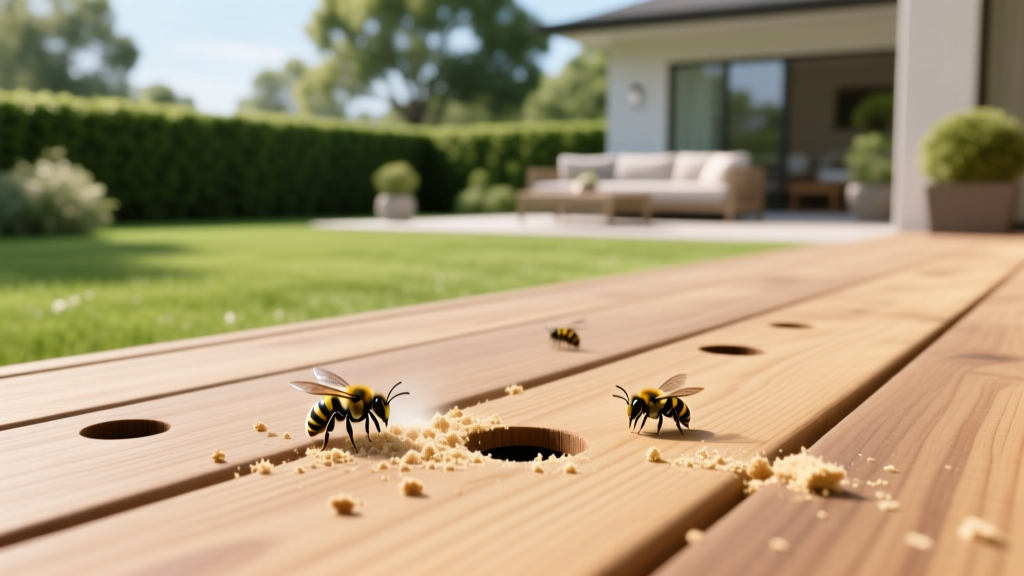
Best Carpenter Bee Repellent Methods for Wooden Decks and Siding
The Biology of Wood Excavation: Why Repellents Work
Carpenter bees (Xylocopa virginica in the East, Xylocopa californica in the West) do not consume wood for nutrition. Instead, they use their robust mandibles to excavate perfectly round, half-inch (12.7 mm) diameter tunnels to create nesting galleries. While a single season's tunnel typically extends 4 to 12 inches along the wood grain, successive generations will reuse and expand these galleries, eventually causing structural weakening and moisture rot in fascia boards, deck railings, and cedar siding.
Pollinator Preservation Note: Carpenter bees are vital native pollinators. The goal of yard defense is to make your specific wooden structures inhospitable through sensory repellents and physical barriers, rather than deploying broad-spectrum insecticides that harm local ecosystems.
According to entomologists at NC State Extension, these bees strongly prefer untreated, unpainted, or weathered softwoods like pine, cedar, redwood, and cypress. By altering the surface chemistry and texture of the wood, you can effectively break their nesting cycle without killing the insects.
Top Carpenter Bee Repellent Solutions Compared
Selecting the right carpenter bee repellent depends on your wood's current finish, the severity of the pressure, and your maintenance schedule. Below is a matrix of the most effective deterrents used by pest management professionals and homeowners.
| Repellent Type | Active Compound | Efficacy Duration | Cost per Gallon | Best Application |
|---|---|---|---|---|
| Almond Oil Spray | Benzaldehyde | 3–4 Weeks | $25 – $40 | Unfinished cedar & redwood siding |
| Citrus Oil Emulsion | d-limonene | 2–3 Weeks | $15 – $25 | Deck railings and outdoor furniture |
| Polyurethane Sealant | Aliphatic Resins | 2–5 Years | $35 – $60 | Fascia boards, soffits, and trim |
| Exterior Latex Paint | Titanium Dioxide Pigment | 5–10 Years | $30 – $50 | Structural posts and window frames |
Formulating and Applying DIY Liquid Repellents
Liquid repellents rely on strong olfactory deterrents. Carpenter bees possess highly sensitive antennae that detect volatile organic compounds (VOCs). Benzaldehyde (found in bitter almond oil) and d-limonene (found in citrus peels) mimic the chemical signatures of toxic or unsuitable nesting environments.
Almond Oil Recipe for Siding and Eaves
- Source Food-Grade Bitter Almond Oil: Ensure it contains high concentrations of benzaldehyde. Do not use synthetic almond extract from the baking aisle.
- Mix the Emulsion: Combine 3 ounces of almond oil with 1 gallon of water. Add 1 tablespoon of mild liquid dish soap (like Dawn) to act as an emulsifier, preventing the oil from separating.
- Application Timing: Apply in early March or when local forsythia bushes begin to bloom. This coincides with the emergence of overwintering adults and the patrolling phase of male bees.
- Spray Technique: Use a pump sprayer to coat the wood surface until it is visibly wet but not dripping. Focus heavily on corners, eaves, and the underside of deck railings.
Citrus Oil Spray for High-Traffic Deck Areas
For areas where humans frequently sit, almond oil's strong scent can be overpowering. A d-limonene citrus spray offers a more pleasant aroma while remaining highly aversive to Xylocopa species. Mix 4 ounces of pure cold-pressed orange oil with a gallon of water and an emulsifier. Reapply every 14 days during peak spring nesting season (April through May).
Physical Barriers: The Permanent Solution
While liquid repellents require constant reapplication, modifying the wood's physical surface provides long-term defense. Research from the University of Florida IFAS confirms that carpenter bees rarely attempt to bore into painted or heavily sealed wood because their mandibles cannot gain traction on the hardened polymer surface.
Painting vs. Staining vs. Sealing
- Exterior Paint: The absolute most effective deterrent. A thick coat of acrylic latex paint completely masks the wood grain and creates an impenetrable shell. However, it obscures the natural beauty of cedar or redwood.
- Polyurethane/Varnish: Clear, exterior-grade spar urethane (minimum 3 coats) provides an excellent barrier while preserving wood grain. It requires sanding and reapplication every 3 to 5 years as UV rays degrade the resin.
- Wood Stains: Semi-transparent stains offer minimal protection. They penetrate the wood but do not build a surface film. Bees will readily bore through stained wood. If you must stain, choose a heavy, opaque solid-color stain that acts more like paint.
The Decoy Trap Myth: Commercial 'fake bee nests' or pre-drilled wooden blocks hung from eaves are largely ineffective. Carpenter bees are highly territorial and prefer to expand existing galleries in structural wood rather than compete for space in a small, exposed decoy block.
Remediating Active Galleries: Proper Plugging Techniques
If you discover active half-inch holes with coarse, sawdust-like frass accumulating below them, repellents alone will not solve the problem. You must physically evict the occupants and seal the gallery to prevent future generations from returning.
- Treat the Gallery (If Necessary): If the infestation is severe, puff a minimal amount of insecticidal dust (like DeltaDust) into the hole at dusk when the female is inside. Wait 48 hours. (Skip this step if you prefer a strictly non-lethal approach and are willing to wait until winter when the gallery is empty).
- Pack with Copper Mesh: Cut a small piece of copper mesh or coarse stainless steel wool. Use a flathead screwdriver to pack it tightly into the hole, pushing it about an inch deep. Never use standard galvanized steel wool, as it will rust, expand, and stain your wood.
- Seal with Wood Putty: Fill the remaining half-inch of the hole with an exterior-grade, paintable wood filler or epoxy putty. Smooth it flush with the surface.
- Paint Over the Patch: Once dry, paint or seal the patched area to match the surrounding wood and eliminate the visual cue of the hole.
Cost Breakdown: DIY Prevention vs. Professional Extermination
Managing carpenter bees is highly cost-effective when handled proactively. Waiting until structural damage occurs exponentially increases repair costs.
- DIY Liquid Repellent Regimen: $25 to $45 for a season's supply of botanical oils and a pump sprayer.
- DIY Sealing and Plugging: $40 to $80 for spar urethane, copper mesh, and exterior wood filler.
- Professional Pest Control Treatment: $150 to $300 per visit. Professionals typically apply micro-encapsulated pyrethroids to wood surfaces, which kill on contact but do not provide the multi-year physical barrier that polyurethane does.
- Carpentry Repair Costs: If fascia boards or structural deck joists are hollowed out by years of neglected galleries, replacing the rotted wood costs between $15 and $45 per linear foot, plus labor.
Frequently Asked Questions
Do male carpenter bees sting?
No. Male carpenter bees are highly territorial and will aggressively dive-bomb humans who approach their nesting sites, but they lack stingers entirely. Only the females possess stingers, and they are highly docile, rarely stinging unless physically crushed or handled.
Will woodpeckers cause more damage if I have carpenter bees?
Yes. Woodpeckers listen for the movement of carpenter bee larvae inside the wood and will peck large, jagged holes into your siding or fascia to extract them. Sealing the wood with polyurethane prevents the initial bee infestation, thereby eliminating the secondary woodpecker damage.
Can I use vinegar as a carpenter bee repellent?
White vinegar is ineffective as a long-term carpenter bee repellent. While the acetic acid may temporarily deter them, it evaporates rapidly, fails to penetrate the wood grain, and can actually degrade the wood fibers over time, making the surface softer and more attractive for future boring.

