
Pest Control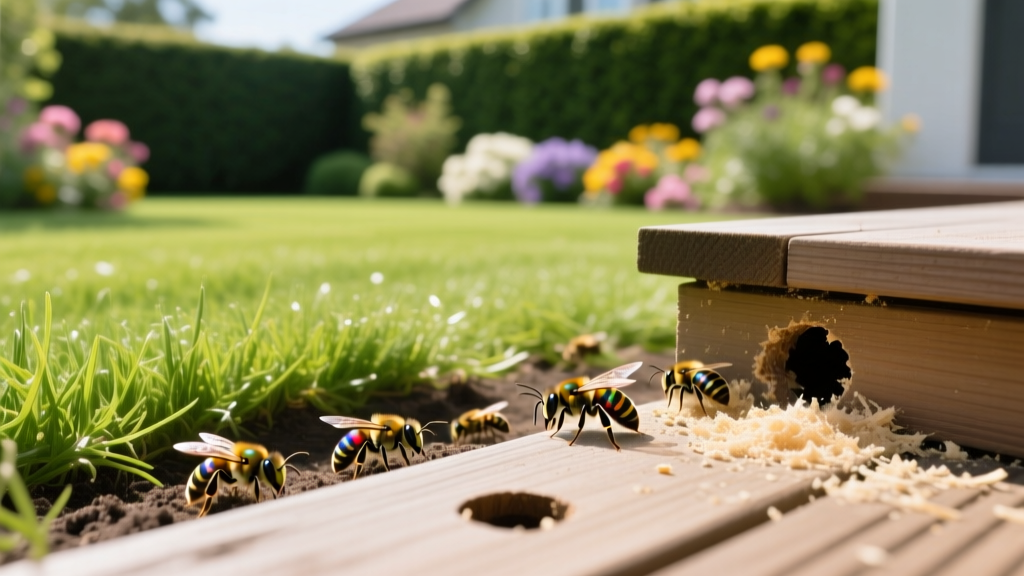
How to Safely Manage Carpenter and Ground Bees in a Garden
When homeowners spot large insects buzzing around their eaves or notice small mounds of soil appearing in bare lawn patches, the immediate instinct is often pest eradication. However, effective yard defense requires precise identification. While yellowjackets and hornets pose genuine stinging threats, true bees in a garden are largely solitary, non-aggressive pollinators. The challenge lies not in killing them, but in defending your wooden structures and high-traffic turf areas from their nesting habits without violating local pollinator protection guidelines.
This guide details exact, actionable defense protocols for managing carpenter bees (Xylocopa) and ground-nesting bees (Andrenidae), focusing on exclusion, habitat modification, and targeted borate treatments rather than broad-spectrum insecticides.
The Misunderstood Pests: Identifying Your Flying Visitors
Before purchasing any deterrents, you must confirm the insect's species. Misidentifying a ground bee as a yellowjacket can lead to unnecessary chemical applications, while ignoring a carpenter bee infestation can result in thousands of dollars in structural wood rot. According to EPA pollinator protection guidelines, preserving beneficial insect populations while managing property damage requires species-specific interventions.
| Insect Type | Physical Traits | Nesting Behavior | Threat Level | Primary Defense Strategy |
|---|---|---|---|---|
| Carpenter Bee | 1/2 to 1 inch, metallic black/blue, hairless abdomen | Drills 1/2-inch round holes in unpainted wood | Low (Males stingless, females rarely sting) | Borate wood treatments, steel wool plugging |
| Ground Bee | 1/4 to 1/2 inch, fuzzy, varied colors | Digs small burrows in dry, bare soil | Very Low (Solitary, non-aggressive) | Soil irrigation, heavy mulching, overseeding |
| Bumble Bee | 3/4 to 1 inch, very fuzzy, black/yellow bands | Nests in abandoned rodent burrows or thick grass | Low (Social but docile unless nest is crushed) | Habitat avoidance, professional relocation |
| Yellowjacket (Wasp) | 1/2 inch, bright yellow/black, hairless, pinched waist | Builds paper nests in eaves or underground cavities | High (Aggressive, multiple stings, scavengers) | Professional extermination, nest destruction |
Carpenter Bee Defense: Protecting Wooden Structures
Carpenter bees do not eat wood; they excavate it to create brood galleries. A single female can drill a perfectly round, 1/2-inch diameter entry hole and tunnel up to 10 inches deep into fascia boards, cedar fences, and unpainted eaves. Over successive seasons, woodpeckers seeking the bee larvae can cause more cosmetic damage than the bees themselves.
Step-by-Step Wood Treatment and Exclusion
Standard aerosol wasp sprays are ineffective for long-term carpenter bee defense because they leave no residual deterrent. Instead, utilize disodium octaborate tetrahydrate (DOT) solutions, which penetrate the wood grain and deter excavation.
- Apply a Borate Preservative: Purchase a concentrate like Bora-Care or Tim-bor (typically $45 to $65 per gallon). Mix according to the label (usually 1:1 with water for active infestations, or 1:4 for prevention). Apply using a pump sprayer to all unpainted, unstained wood surfaces. The borate absorbs into the cellulose, making the wood unpalatable and toxic to developing larvae.
- Seal Existing Galleries: Do not simply caulk over active holes, as the bee will chew through standard silicone. Insert a small wad of coarse steel wool or copper mesh into the 1/2-inch hole. This creates a physical barrier they cannot chew through.
- Patch and Paint: Cover the steel wool with a high-quality wood filler, such as DAP Plastic Wood ($8 per 6 oz tube). Once cured, sand the patch and apply a coat of exterior polyurethane or oil-based paint. Carpenter bees strongly prefer bare, weathered wood and will bypass painted surfaces.
Warning: Avoid Wasp Freeze on Wood
Do not spray aerosol pyrethroid "wasp freeze" directly into carpenter bee holes and seal them. This traps the bee inside, prompting it to chew a new exit hole, often through the interior drywall of your home. Always use physical exclusion (steel wool) combined with borate treatments.
Do not spray aerosol pyrethroid "wasp freeze" directly into carpenter bee holes and seal them. This traps the bee inside, prompting it to chew a new exit hole, often through the interior drywall of your home. Always use physical exclusion (steel wool) combined with borate treatments.
Ground Bee Management: Reclaiming Bare Lawn Patches
Ground-nesting bees, primarily from the Andrenidae family, are vital early-spring pollinators. However, their preference for dry, sparse, and compacted soil makes them a nuisance in high-traffic lawn areas. As Penn State Extension notes, these bees are solitary; the small 2-inch dirt mounds you see are individual burrows, not a massive subterranean hive.
The Irrigation and Mulch Protocol
Because ground bees require dry soil to prevent their brood cells from collapsing or molding, the most effective, non-toxic defense is environmental modification. You do not need chemical pesticides to evict them.
- Deep Irrigation: Install an oscillating sprinkler and apply at least 1 inch of water to the affected bare patches twice a week during their active nesting period (early spring). The saturated soil forces the females to abandon the site and seek drier ground.
- Topdressing and Overseeding: Ground bees target areas where turf is thin. Once the soil is moist, topdress the area with 1/4 inch of compost and overseed with a dense, shade-tolerant grass blend like fine fescue. A thick root mat physically prevents excavation.
- Hardwood Mulch Application: For garden beds where grass won't grow, apply a minimum 2-to-3-inch layer of shredded hardwood mulch. Ground bees cannot navigate through thick, fibrous mulch layers to reach the soil surface. Budget approximately $35 to $45 per cubic yard for premium hardwood mulch to ensure adequate coverage.
"Solitary ground bees are a symptom of poor turf health, not the cause of it. By addressing soil compaction and drought stress, homeowners naturally eliminate the habitat these insects seek, solving both the pest annoyance and the lawn care issue simultaneously."
When to Call a Professional vs. DIY Defense
Understanding the financial threshold for professional intervention is critical for yard defense budgeting. While DIY exclusion is highly effective for localized issues, widespread infestations require commercial-grade equipment.
| Scenario | DIY Cost Estimate | Professional Cost Estimate | Recommendation |
|---|---|---|---|
| 1-5 Carpenter bee holes on a fence | $25 (Wood filler, steel wool) | $150+ (Minimum service call) | DIY |
| Untreated cedar eaves / extensive fascia | $65 (Borate concentrate, sprayer) | $250 - $450 (Scaffolding, commercial spray) | DIY if single-story; Pro if multi-story |
| Ground bees in 500 sq ft lawn patch | $40 (Mulch, grass seed, water) | $200+ (Aeration, sod installation) | DIY |
| Aggressive insects in ground hole (Yellowjackets) | $15 (Wasp dust - High Risk) | $150 - $300 (Protective gear, safe removal) | Professional Exterminator |
Frequently Asked Questions
Will almond oil deter carpenter bees?
Yes, citrus and almond oils are documented natural repellents. Mixing 3 drops of pure almond essential oil with 16 ounces of water in a spray bottle and applying it to wooden eaves can deter scouting females. However, this requires reapplication after every rain event and is less effective than penetrating borate treatments for long-term defense.
Are ground bees protected by law?
While native pollinators are encouraged by environmental agencies, most solitary ground bees are not federally listed as endangered species in the same way specific butterfly or moth species might be. However, indiscriminate use of broad-spectrum lawn insecticides (like bifenthrin) to kill them is ecologically damaging and often violates local watershed runoff regulations. Habitat modification remains the legal and practical standard.
How do I know if a ground hole is a bee or a yellowjacket?
Observe the entrance from a safe distance of at least 10 feet. Ground bees hover lazily, enter the hole individually, and ignore humans. Yellowjackets fly in rapid, aggressive, direct lines, often have multiple guards at the entrance, and will fly toward your face if you cast a shadow over the nest. If you observe yellowjacket behavior, do not attempt DIY irrigation; contact a licensed pest control operator immediately.

