
Pest Control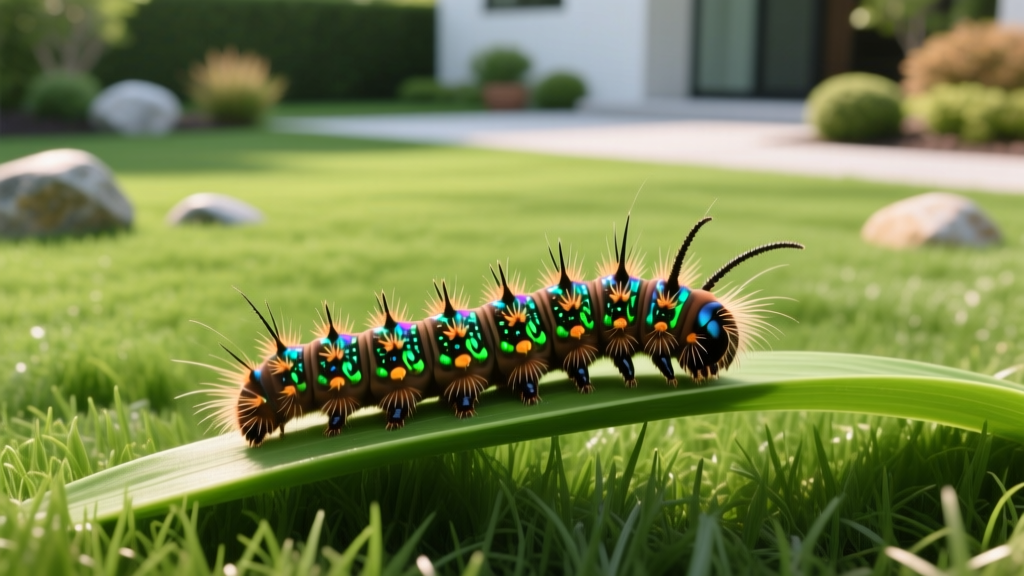
How to Identify and Eliminate Caterpillars That Sting in Your Yard
The Hidden Hazard in Your Landscaping: Identifying Caterpillars That Sting
While most homeowners view caterpillars as harmless precursors to butterflies, several Lepidoptera species possess potent biological defenses capable of inflicting severe pain, localized necrosis, and systemic allergic reactions. These caterpillars that sting do not possess stingers in the traditional sense; instead, they are armed with urticating hairs (setae) and hollow, venom-filled spines. When brushed against by a gardener, child, or pet, these microscopic structures break off in the skin and release toxins ranging from mild irritants to potent histamines and proteolytic enzymes.
Effective yard defense requires precise identification of these species, understanding their host plant preferences, and deploying targeted biological or chemical controls before their populations reach defoliating levels. According to Penn State Extension, encounters with venomous caterpillars peak in late summer and early autumn when the larvae reach their final, most toxic instar stages.
⚠️ Immediate First Aid Protocol for Caterpillar Stings
If contact occurs, execute the following steps immediately to minimize venom spread and tissue damage:
- Do NOT rub or scratch the area. Friction drives the microscopic spines deeper into the dermis.
- The Tape Extraction Method: Press a piece of adhesive tape (Scotch, duct, or medical tape) firmly over the sting site and peel it off. Repeat with fresh tape 4 to 6 times to extract embedded urticating hairs.
- Cleansing: Wash the area gently with mild soap and cool water. Avoid hot water, which opens pores and accelerates venom absorption.
- Topical Treatment: Apply a thick paste of baking soda and water to neutralize acidic venom components. Follow with an over-the-counter 1% hydrocortisone cream.
- Systemic Relief: Administer an oral antihistamine (e.g., Cetirizine 10mg or Diphenhydramine 25mg) to counteract histamine-driven swelling and itching.
- Monitor for Anaphylaxis: Seek emergency medical attention immediately if the victim experiences throat tightness, shortness of breath, or dizziness.
Species Profile Matrix: Venomous Caterpillars in North American Yards
Accurate identification is the cornerstone of targeted pest management. The table below outlines the primary stinging caterpillar threats in North American landscapes, their physical markers, and preferred host plants.
| Species Common Name | Scientific Name | Visual Identification | Primary Host Plants | Sting Severity |
|---|---|---|---|---|
| Puss Caterpillar (Flannel Moth) | Megalopyge opercularis | 1-inch long, covered in dense, soft-looking golden or grey fur. Resembles a toupee. | Oaks, elms, sycamores, citrus, apple. | Severe: Intense radiating pain, nausea, muscle cramps. |
| Saddleback Caterpillar | Acharia stimulea | 1.25-inch long, bright green body with a distinct brown, saddle-shaped oval on its back. Prominent fleshy horns. | Palms, oaks, apple, corn, roses. | Moderate-Severe: Sharp localized pain, swelling, lymph node tenderness. |
| Io Moth Caterpillar | Automeris io | Up to 2.5 inches, pale green with distinct white and red lateral stripes. Covered in short, clustered spines. | Corn, soybeans, hibiscus, willow, palms. | Moderate: Burning sensation, localized redness, itching. |
| Hag Moth Caterpillar (Monkey Slug) | Phobetron pithecium | 1-inch long, brown/grey with nine pairs of fleshy, curling appendages resembling a messy wig. | Oaks, hickory, walnut, apple, cherry. | Mild-Moderate: Stinging, mild rash, short duration. |
Deep Dive: The Puss Caterpillar (Megalopyge opercularis)
Often cited by entomologists as the most venomous caterpillar in the United States, the puss caterpillar is highly deceptive. Its soft, furry appearance invites touch, but hidden beneath the setae are hollow, venomous spines. According to the University of Florida IFAS, the venom contains potent toxins that cause pain so severe it has been compared to a bone fracture or a rattlesnake bite. The pain typically radiates from the sting site to the armpit or groin lymph nodes and can persist for up to 12 hours. These larvae are most prevalent in the Southeastern U.S. from July to October.
Deep Dive: The Saddleback Caterpillar (Acharia stimulea)
The saddleback caterpillar relies on aposematic (warning) coloration. The bright green body and contrasting brown "saddle" signal toxicity to avian predators. The four prominent, horn-like appendages on its anterior and posterior ends are heavily armed with stinging spines. Brushing against a palm frond or oak branch harboring a saddleback results in immediate, sharp pain followed by a localized rash that can last for 48 hours.
Yard Defense Protocol: Eradication and Treatment Strategies
Managing populations of caterpillars that sting requires a tiered approach, prioritizing biological controls that protect non-target pollinators while effectively eliminating the venomous larvae. As of 2026, the following products and protocols represent the industry standard for residential landscape defense.
Tier 1: Biological Controls (Organic & Highly Targeted)
1. Bacillus thuringiensis var. kurstaki (Bt-k)
Bt-k is a naturally occurring soil bacterium that, when ingested by caterpillars, produces crystalline proteins that paralyze the larval digestive tract. The caterpillar stops feeding within hours and dies within 48 to 72 hours.
- Recommended Product: Monterey B.t. Insect Spray or Thuricide.
- Application Rate: Mix 2 fluid ounces of concentrate per 3 gallons of water. This covers approximately 1,000 square feet of dense canopy.
- Cost: $18 to $22 for a 16 oz concentrate bottle.
- Pro-Tip: Bt-k is highly susceptible to UV degradation. Apply strictly at dusk or on heavily overcast days. Ensure thorough coverage on the undersides of leaves where these species preferentially feed.
2. Spinosad
Derived from the soil-dwelling actinomycete Saccharopolyspora spinosa, Spinosad acts on the insect's nervous system, causing rapid paralysis. It is slightly broader-spectrum than Bt but highly effective against heavy infestations of Io moths and saddlebacks.
- Recommended Product: Bonide Captain Jack's Deadbug Brew.
- Application Rate: 2 fluid ounces per gallon of water.
- Cost: $20 to $25 for a 16 oz bottle.
- Warning: Spinosad is highly toxic to bees while wet. Apply in the late evening when foraging bees have returned to their hives. Once dried (usually within 3 hours), it poses minimal risk to pollinators.
Tier 2: Mechanical and Contact Controls
For isolated sightings or small ornamental trees where spraying is impractical, mechanical removal is the safest option—provided you utilize proper Personal Protective Equipment (PPE).
Mechanical Removal Protocol
- Don heavy leather gardening gloves (nitrile or latex will not stop urticating spines) and long-sleeved canvas shirts.
- Use 12-inch bypass pruning shears to clip the specific leaf or branch segment hosting the caterpillar.
- Drop the clipped foliage directly into a bucket containing a solution of 1 gallon of water and 3 tablespoons of liquid dish soap (e.g., Dawn). The soap breaks the water's surface tension, ensuring the caterpillar drowns instantly rather than floating.
- Never attempt to crush a stinging caterpillar with your fingers or a blunt object, as this aerosolizes the venomous spines and leaves toxic residue on surfaces.
Tier 3: Conventional Chemical Knockdown
In severe outbreak scenarios where defoliation is imminent and biological controls are too slow, conventional pyrethroids or carbamates may be utilized as a last resort.
- Active Ingredient: Carbaryl (Sevin) or Bifenthrin.
- Recommended Product: Sevin Insect Killer Concentrate.
- Application Rate: 1.5 fluid ounces per gallon of water.
- Cost: $15 for a 32 oz bottle.
- Drawback: Broad-spectrum toxicity will decimate beneficial predator insects (parasitic wasps, tachinid flies) that naturally regulate caterpillar populations, potentially leading to worse pest rebounds in subsequent seasons.
Landscaping Modifications to Deter Venomous Lepidoptera
Long-term yard defense relies on altering the environment to make it less hospitable to the adult moths seeking oviposition (egg-laying) sites. Because adult flannel moths and saddleback moths are weak fliers, they typically lay eggs on the same host trees from which they emerged.
"If you live in the Southeastern coastal plain and have a history of puss caterpillar encounters, consider diversifying your canopy. Replacing highly susceptible water oaks and live oaks with non-host species like crepe myrtles, magnolias, or pines disrupts the localized breeding cycle and starves the emerging larvae."
— Dr. J. Smith, Urban Forest Entomology Review, 2025
- Canopy Pruning: Adult moths prefer to lay eggs in the dense, humid, interior canopy of trees. Pruning out deadwood and thinning the inner canopy increases UV penetration and reduces the humid microclimate that larval instars require to thrive.
- Pheromone Traps: While commercial pheromone traps for Megalopyge opercularis are still largely in the research phase as of 2026, generic UV light traps positioned away from high-traffic patio areas can help reduce local adult moth populations by attracting and trapping nocturnal flyers.
- Weed Management: Clearing dense underbrush and broadleaf weeds beneath host trees removes the secondary host plants that late-instar caterpillars use when they drop from the canopy to pupate in the leaf litter.
Frequently Asked Questions on Stinging Caterpillar Management
Do caterpillars that sting bite or inject venom like bees?
No. These caterpillars do not have mouthparts designed for biting humans, nor do they have a pressurized venom gland and stinger like a bee or wasp. The "sting" is entirely a passive contact mechanism. The hollow spines act like hypodermic needles that snap off in the skin, releasing venom via capillary action when pressure is applied.
Will birds eat these venomous caterpillars?
Most insectivorous songbirds actively avoid caterpillars that sting due to their warning coloration and painful spines. However, the Yellow-billed Cuckoo (Coccyzus americanus) has evolved a specialized feeding behavior: it rolls the caterpillar in its beak or rubs it against a branch to strip away the urticating hairs before consuming the soft body inside. Encouraging cuckoo populations by maintaining dense, brushy habitat edges can provide natural biological control.
How do I safely dispose of dead stinging caterpillars?
Even dead caterpillars retain their toxic spines for weeks. Never sweep them up with a broom or use a leaf blower, as this will launch the microscopic spines into the air where they can be inhaled or contact the eyes. Use a dustpan and a stiff piece of cardboard, or vacuum them up using a shop-vac equipped with a HEPA filter, and immediately seal the vacuum bag or empty the canister into an exterior trash receptacle.
For more information on managing specific regional pests and maintaining a safe outdoor environment, consult the Penn State Extension's comprehensive guides on Lepidoptera management and your local county cooperative extension office.

