
Pest Control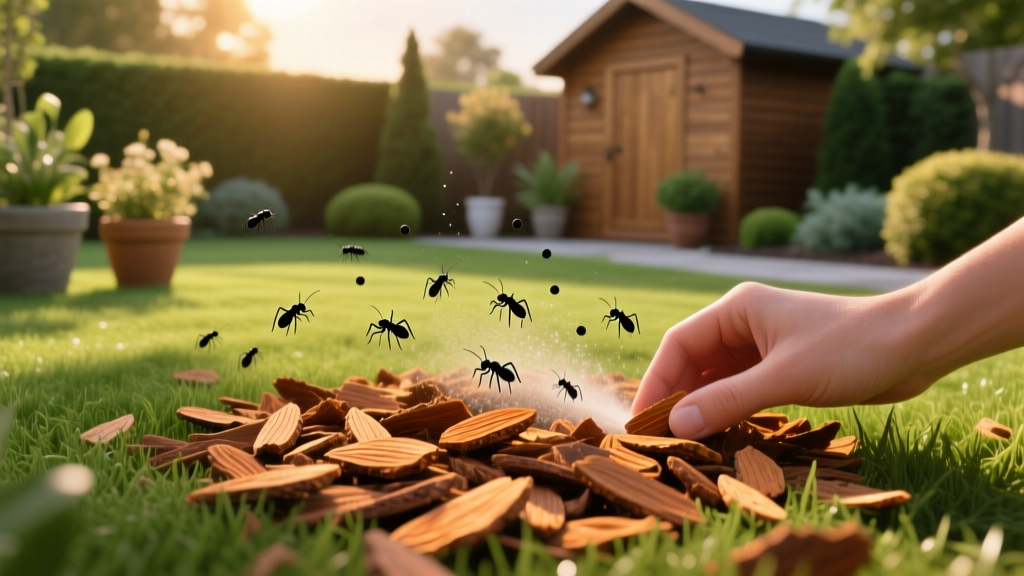
Using Cedar Chips for Fleas: Yard Defense & Application Guide
The Science Behind Cedar and Flea Repellency
Homeowners seeking organic yard defense often turn to cedar chips for fleas, but it is critical to understand the biological mechanism at play. Cedar does not kill adult fleas on contact like synthetic pyrethroids. Instead, it acts as a potent spatial repellent and desiccant. The heartwood of true cedar trees contains volatile organic compounds (VOCs)—primarily thujone, cedrol, and plicatic acid. These aromatic oils interfere with the olfactory receptors of the cat flea (Ctenocephalides felis), masking the carbon dioxide and lactic acid trails that fleas use to locate hosts.
Furthermore, the physical structure of cedar chips creates a low-humidity microenvironment. Flea larvae require a relative humidity of at least 75% to survive their pupal stage. A thick layer of dry cedar chips wicks moisture away from the soil surface, causing pupae to desiccate before they can emerge as biting adults. According to University of Kentucky Entomology, disrupting the pupal stage in shaded, humid microclimates is the most effective way to collapse a localized flea population.
Crucial Distinction: Cedar chips are a repellent and environmental modifier, not an insecticide. They will not eliminate an active, severe infestation on their own and must be paired with targeted treatments for pets and existing adult fleas.
Choosing the Right Cedar: Chips vs. Mulch vs. Species
Not all cedar products offer the same level of pest defense. The efficacy of your barrier depends heavily on the tree species and the physical cut of the wood. As of 2026, bulk eastern red cedar chips typically range from $35 to $55 per cubic yard, making it a cost-effective perimeter defense compared to monthly chemical spray services.
| Cedar Type | Active Compound Level | Moisture Retention | Flea Efficacy |
|---|---|---|---|
| Eastern Red Cedar (Chunky Chips) | High (Thujone-rich) | Low (Dries quickly) | Excellent |
| Western Red Cedar (Shredded Mulch) | Moderate (Plicatic acid) | High (Mats together) | Poor (Traps humidity) |
| Cypress Mulch (Often mislabeled) | Very Low | Moderate | Ineffective |
| Aged/Composted Cedar | Depleted (Oils evaporated) | High | Ineffective |
For optimal flea defense, always request freshly chipped Eastern Red Cedar (Juniperus virginiana) in 2-inch to 3-inch chunky cuts. Avoid shredded mulch, which tends to mat down, retain rainwater, and create the exact humid environment flea larvae thrive in. You can verify freshness by the sharp, pungent aroma; if the pile smells like damp earth rather than a cedar closet, the volatile oils have already degraded.
Step-by-Step Application for Maximum Yard Defense
Creating an impenetrable cedar barrier requires strategic placement. Fleas cannot jump endlessly; they rely on shaded, humid transition zones between woods, gardens, and lawns. The Centers for Disease Control and Prevention (CDC) recommends targeting these specific ecotones to disrupt the life cycles of both fleas and ticks.
- Map the Microclimates: Identify areas where your pets rest outdoors, the perimeter of your home, and the edges of wooded areas. Fleas avoid direct, midday sunlight, so focus entirely on shaded zones under decks, porches, and tree canopies.
- Clear the Substrate: Rake away existing leaf litter, pine straw, and decaying organic matter. These materials harbor flea pupae and will undermine your cedar barrier if left underneath.
- Establish the Depth: Apply the chunky cedar chips at a depth of 3 to 4 inches. A layer thinner than 2 inches will not sufficiently wick moisture or release enough VOCs to deter host-seeking fleas.
- Create a Perimeter Buffer: Lay down a continuous 3-foot-wide band of cedar chips along the foundation of your home and around the base of wooden fences. This prevents fleas from migrating from the soil onto your siding or into crawl spaces.
Pro-Tip for Tree Health: Never pile cedar chips directly against the trunks of your living trees or shrubs. Keep a 3-inch gap around the base to prevent 'volcano mulching,' which invites root rot and bark-boring insects.
Integrated Pest Management: Pairing Cedar with Biological Controls
Because cedar chips only repel and desiccate, they must be integrated into a broader biological defense strategy to eradicate an existing yard population. The most effective companion to a cedar barrier is the application of beneficial nematodes (Steinernema carpocapsae).
Nematodes are microscopic, soil-dwelling worms that actively hunt and destroy flea larvae and pupae in the dirt. While cedar chips protect the surface, nematodes patrol the soil column beneath. According to the University of Florida IFAS Extension, S. carpocapsae can reduce outdoor flea populations by up to 90% when applied correctly.
The 2026 IPM Application Schedule
- Early Spring (Soil temp > 55°F): Apply beneficial nematodes via hose-end sprayer to shaded soil areas. Water deeply to push them into the top 2 inches of soil.
- Mid-Spring: Lay your 3-to-4-inch layer of fresh Eastern Red Cedar chips over the treated zones. The chunky chips will allow water to penetrate to the nematodes below while repelling adult fleas above.
- Summer (Heavy Infestations): If adult fleas persist, spot-treat the perimeter with an Insect Growth Regulator (IGR) containing Pyriproxyfen. IGRs mimic juvenile hormones, preventing larvae from molting into adults without harming the beneficial nematodes or mammals.
Maintenance and Refreshing the Barrier
The volatile oils in cedar chips evaporate over time, and the wood slowly breaks down. To maintain an effective flea-repelling barrier, you must actively manage the mulch bed throughout the year.
- Monthly Raking: Use a thatch rake to fluff the cedar chips every 3 to 4 weeks. This breaks up compacted layers, restores the moisture-wicking air gaps, and exposes fresh wood surfaces to release trapped aromatic oils.
- Annual Top-Dressing: You do not need to remove the old chips. Simply add a 1-inch to 2-inch layer of fresh, highly aromatic cedar chips on top every spring to replenish the thujone levels.
- Post-Rain Inspection: After heavy spring rains, check for matting. If the chips have compressed and are holding puddles, rake them immediately to restore the dry microclimate.
Frequently Asked Questions
Are cedar chips safe for dogs and cats?
Yes, for the vast majority of pets. The concentration of VOCs in outdoor cedar chips is far too low to cause systemic toxicity in dogs or cats simply by walking on them. However, if your dog is a chronic wood-chewer (pica), ingesting large quantities of cedar can cause gastrointestinal blockages or mild stomach upset. If your pet routinely eats mulch, opt for a non-wood barrier like crushed gravel or pea stone.
Do cedar chips repel ticks and rodents as well?
Cedar chips offer moderate tick repellency by creating a dry, inhospitable surface that ticks avoid when questing for hosts. They are highly effective at deterring rodents, such as mice and voles, which dislike the sharp texture and the strong scent of cedrol, which masks their pheromone trails. However, they will not repel larger wildlife like deer or raccoons.
Can I use cedar shavings from a woodworking shop?
Avoid using fine cedar shavings or sawdust. While they contain the necessary oils, their small particle size causes them to compact tightly, retain water, and form a crust that traps humidity underneath—creating an ideal breeding ground for flea larvae. Stick to 2-inch to 3-inch chunky landscape chips for proper drainage and aeration.

