
Pest Control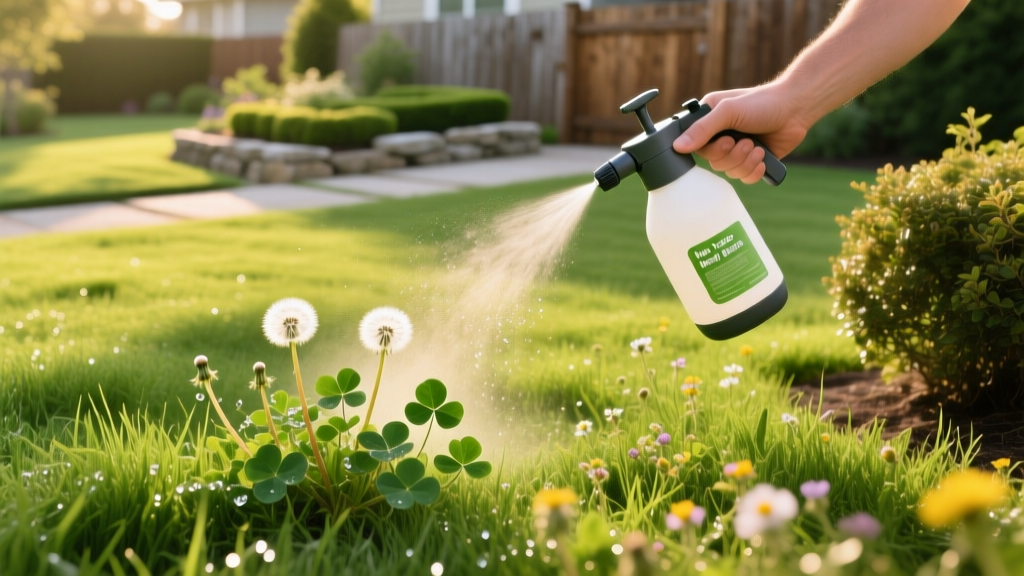
Non Toxic Herbicide Lawn Care: Organic Weed Control
The Reality of Non-Toxic Lawn Herbicides
The transition away from synthetic auxins like 2,4-D and dicamba has accelerated the demand for a reliable non toxic herbicide lawn solution. However, the term 'non-toxic' is frequently misused in garden centers. In regulatory terms, the EPA classifies truly low-risk organic herbicides under the Section 25(b) minimum risk exemption, meaning they are composed of food-grade or naturally occurring compounds that pose negligible risk to humans, pets, and soil microbiomes. As of 2026, the market has consolidated around three primary active ingredients that actually deliver visible weed control without the residual soil toxicity associated with conventional chemicals.
The 'Non-Toxic' Myth vs. Reality
Many products labeled as 'natural' still contain high concentrations of acetic acid (vinegar) that can severely disrupt soil pH and harm beneficial mycorrhizal fungi. A true non toxic herbicide lawn strategy prioritizes selective systemic action (like chelated iron) over non-selective desiccation (like horticultural vinegar), ensuring your turfgrass remains intact while targeting broadleaf weeds.
Top 3 Non Toxic Herbicide Active Ingredients Compared
Not all organic herbicides function the same way. Understanding the biochemical mechanism of each active ingredient is critical for selecting the right product for your specific weed pressure. Below is a comparative matrix of the three most effective organic compounds available to homeowners and turf managers.
| Active Ingredient | Target Weeds | Mechanism of Action | Est. Cost (per 1,000 sq ft) | Selectivity |
|---|---|---|---|---|
| Chelated Iron (FeHEDTA) | Dandelion, Plantain, Clover, Thistle | Induces fatal oxidative stress in dicots | $6.00 - $9.00 | Selective (Safe for grass) |
| Pelargonic Acid (Fatty Acids) | Young seedlings, Chickweed, Henbit | Strips waxy leaf cuticle, causing rapid desiccation | $4.50 - $7.00 | Non-selective (Burns grass) |
| Acetic Acid (20%+) | Mature taproot weeds, driveway cracks | Cell membrane destruction via extreme acidity | $3.00 - $5.00 | Non-selective (Burns grass) |
Deep Dive: Chelated Iron (FeHEDTA) – The Broadleaf Killer
For homeowners seeking a selective non toxic herbicide lawn treatment that will not harm surrounding Kentucky Bluegrass, Fescue, or Bermudagrass, Chelated Iron (specifically FeHEDTA) is the undisputed gold standard. Products containing 24.0% FeHEDTA (such as Fiesta Turf Weeder or Natria Lawn Weed Control) exploit a fundamental physiological difference between monocots (grasses) and dicots (broadleaf weeds).
When sprayed, broadleaf weeds rapidly absorb the iron and lack the internal regulatory mechanisms to process the overload. This triggers massive cellular oxidative stress, causing the weed's tissues to blacken, necrotize, and die within 24 to 48 hours. Grasses, conversely, can tightly regulate iron uptake and simply utilize the excess for chlorophyll production, often resulting in a temporary dark-green flush of the turf.
Expert Warning: The Hard Water Interference Effect
FeHEDTA is highly sensitive to water hardness. If your local water supply has a hardness level exceeding 150 ppm (high in calcium and magnesium), these minerals will bind to the chelated iron in your spray tank, rendering the herbicide completely inactive before it even reaches the weed. The Fix: Always add a water conditioning agent, such as ammonium sulfate, at a rate of 1 ounce per gallon of spray solution to sequester hard water minerals and protect the iron molecules.
Desiccants: Acetic Acid and Fatty Acids
While chelated iron handles broadleaves in the turf, you will encounter weeds in hardscape borders, driveway cracks, and garden beds where selectivity is not required. This is where desiccants excel.
Horticultural Vinegar (20% to 30% Acetic Acid)
Standard 5% culinary vinegar is useless against mature weeds. Effective organic desiccation requires 20% to 30% acetic acid concentrations. This non toxic herbicide lawn and landscape solution works by rapidly dropping the pH of the leaf surface, destroying cell membranes and causing immediate water loss. However, it is strictly a contact herbicide; it will not translocate to the roots of established perennials like bindweed or Canada thistle. Furthermore, repeated application to soil can lower soil pH to levels that inhibit beneficial microbial activity, so restrict its use to hardscapes and spot treatments.
Pelargonic Acid (Herbicidal Soaps)
Pelargonic acid (a 9-carbon fatty acid) is faster acting than acetic acid and requires lower concentrations (typically 3% to 5% in ready-to-use formulations). It is highly effective on young, annual weeds like chickweed and crabgrass seedlings. Because it breaks down into harmless carbon dioxide and water within days, it is an excellent choice for organic vegetable garden borders where soil health is paramount.
Step-by-Step Application Protocol for Maximum Efficacy
Organic herbicides lack the aggressive systemic surfactants found in synthetic chemicals, meaning your application technique dictates 90% of your success rate. Follow this exact protocol for FeHEDTA and fatty acid applications:
- Check the Forecast: Apply only when temperatures are between 65°F and 80°F. Applications above 85°F increase the risk of turf phytotoxicity (leaf burn), while temps below 60°F drastically slow the metabolic uptake of the iron.
- Prep the Turf: Do not mow for 48 hours prior to application. You need maximum leaf surface area on the weeds to absorb the active ingredient.
- Mix the Solution: For 24% FeHEDTA concentrates, mix at a rate of 3.3 fluid ounces per 1,000 square feet. Add the water conditioner first, then the herbicide, then a non-ionic surfactant (0.5 oz per gallon) to break the surface tension on waxy weed leaves.
- Select the Nozzle: Use a flat-fan nozzle (8002 or 8003 tip) on your pump sprayer to ensure even, overlapping coverage. Avoid cone nozzles, which waste product by spraying upward into the air.
- Ensure Rainfastness: FeHEDTA requires 2 hours to become rainfast. Fatty acids require only 30 minutes. Do not irrigate the lawn within 24 hours of application.
- Wait to Mow: Delay mowing for at least 48 hours post-application to allow the oxidative necrosis to travel down the petiole to the crown of the weed.
Troubleshooting Common Organic Herbicide Failures
When a non toxic herbicide lawn treatment fails, it is rarely the product's fault. It is almost always an environmental or mechanical error. Review these common edge cases:
- The Weed Turned Black But Grew Back: You likely sprayed a mature perennial weed (like mature dandelion or dock) during a drought. Drought-stressed weeds shut down their vascular systems to conserve water, preventing the iron from reaching the root crown. Always irrigate the lawn deeply 24 hours before spraying to ensure weeds are actively transpiring.
- The Grass Turned Orange/Brown: You applied FeHEDTA when ambient temperatures exceeded 85°F, or you overlapped your spray passes, doubling the dose on the turfgrass. Stick to early morning applications during the summer months.
- No Visible Reaction After 48 Hours: Your spray tank was contaminated with a previous synthetic chemical, or your water hardness neutralized the chelated iron. Flush your tank with a mild acid rinse (1 cup white vinegar to 1 gallon water) between uses, and always use water conditioners.
Expert Verdict: Building a Long-Term Organic Weed Strategy
Relying solely on sprays—even organic ones—is a reactive approach. The ultimate non toxic herbicide lawn strategy relies on cultural competition. Weeds are opportunistic indicators of weak turf. By maintaining a mowing height of 3.5 to 4.0 inches, you shade out crabgrass and dandelion seedlings before they can establish. Pairing this with bi-annual aeration and the application of corn gluten meal (at 20 lbs per 1,000 sq ft) in early spring provides a natural pre-emergent barrier that inhibits weed seed germination. For a comprehensive, pet-safe, and environmentally sound approach to turf management, integrating FeHEDTA for spot treatments with rigorous cultural practices remains the most effective protocol available to modern homeowners.
For further reading on the regulatory standards for organic and minimum-risk pest control products, consult the EPA Minimum Risk Pesticides guidelines and the certification standards provided by the Organic Materials Review Institute (OMRI).

