
Pest Control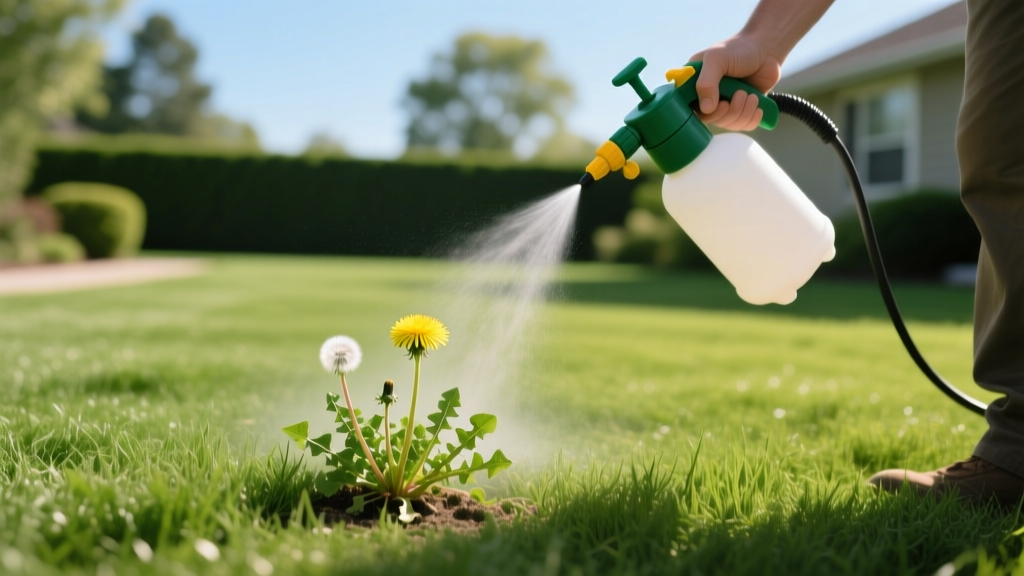
Weed Killer Safe for Animals: Spot-Treatment Guide for Lawns
Managing weeds in a yard shared with dogs and cats requires a fundamental shift from broadcast synthetic herbicides to targeted, pet-safe spot treatments. Traditional systemic herbicides like 2,4-D and glyphosate pose significant tracking risks; pets walk through treated zones, absorb chemicals through their paw pads, and ingest them during grooming. According to the Environmental Protection Agency (EPA), minimizing pet exposure to lawn pesticides requires strict adherence to re-entry intervals (REI) and selecting low-toxicity active ingredients.
This guide details the exact chemistry, product selection, and spot-treatment protocols for eliminating specific weed species using a weed killer safe for animals, ensuring your turf remains pristine without compromising your pets' health.
The Chemistry of Pet-Safe Spot Treatments
To effectively spot-treat weeds without harming pets or desirable turfgrass, you must utilize active ingredients that exploit biological differences between plants or rely on rapid-degradation contact burn-downs. The two primary categories for pet-safe post-emergent spot treatment are chelated iron and short-chain fatty acids.
FeHEDTA (Chelated Iron)
FeHEDTA (Iron HEDTA) is a selective, systemic herbicide that targets broadleaf weeds. It exploits the difference in iron regulation between monocots (grasses) and dicots (broadleaf weeds). When applied, grasses quickly regulate iron uptake and remain unaffected. Broadleaf weeds, however, absorb massive quantities of the chelated iron, leading to fatal oxidative stress and cellular necrosis. FeHEDTA breaks down rapidly in the soil and is practically non-toxic to mammals, making it the gold standard for pet owners.
Acetic Acid and d-limonene (Citrus Oil)
For grassy weeds or weeds in hardscape cracks, non-selective contact herbicides like 20% horticultural vinegar (acetic acid) or d-limonene strip the waxy cuticle from plant leaves, causing rapid desiccation. These are safe for pets once dry but will damage any turfgrass they touch, requiring precise application tools.
⚠️ WARNING: The 'Dry' Re-Entry Myth
Many synthetic herbicide labels state pets can return to the lawn once the spray is dry. However, dried 2,4-D residues can remain active on grass blades for up to 48 hours. If your dog rolls on the lawn or licks their paws after walking on dried synthetic residues, they risk endocrine disruption. True pet-safe alternatives like FeHEDTA have a 0-hour REI once dry because the residue itself is non-toxic.
Matching the Pet-Safe Herbicide to the Weed Species
Not all pet-safe weed killers work on all weeds. Selecting the wrong active ingredient will result in wasted money and turf damage. Use this decision matrix to match your specific weed problem with the correct spot-treatment chemistry.
| Weed Species | Active Ingredient | Product Example | Spot-Treat Rate | Est. Cost (2026) |
|---|---|---|---|---|
| Dandelion, Clover, Plantain | FeHEDTA (Chelated Iron) | Fiesta Turf Weeder / Natria | 3-5 fl oz per gallon | $42 - $48 / 32oz |
| Crabgrass, Foxtail, Nutsedge | 20% Acetic Acid | Horticultural Vinegar | Undiluted (Sponge apply) | $25 - $30 / Gallon |
| Chickweed, Henbit (Cool-Season) | FeHEDTA + Surfactant | Ortho GroundClear (Pet-Safe Line) | Ready-to-Use Spray | $15 - $18 / 32oz |
Broadleaf Weeds: The FeHEDTA Protocol
For deep-rooted broadleaf weeds like dandelions and white clover, FeHEDTA is mandatory. Products like Fiesta Turf Weeder or Natria Lawn Weed Control are highly effective but require specific environmental conditions. FeHEDTA must be applied when ambient temperatures are between 60°F and 80°F. Applying chelated iron in temperatures exceeding 85°F can cause phytotoxicity (leaf burn) to your desirable turfgrass, particularly on sensitive species like Kentucky Bluegrass.
Grassy Weeds: The Acetic Acid Sponge Technique
Because grassy weeds like crabgrass share the same monocot biology as your lawn, selective herbicides won't work. You must use a non-selective contact killer like 20% acetic acid. However, spraying this will kill your lawn. The professional workaround is the sponge-wand technique: saturate a commercial herbicide sponge applicator with undiluted 20% vinegar and physically wipe the leaves of the crabgrass. This destroys the weed's cell membranes without dripping onto the surrounding turf.
Step-by-Step Spot-Treatment Protocol for Pet Owners
Follow this exact sequence to maximize weed mortality while maintaining a zero-toxicity environment for your pets.
- Calibrate and Shield: Fill a 1-gallon pump sprayer with water and add 4 fl oz of FeHEDTA concentrate. Attach a shielded spray nozzle (a plastic cone that fits over the spray tip). This prevents wind drift from carrying the herbicide onto ornamental garden beds or your pet's outdoor water bowl.
- Check the Dew Point: Apply only when grass blades are completely dry. If the lawn is wet from morning dew or irrigation, the FeHEDTA will dilute and run off the weed's waxy cuticle before it can be absorbed.
- The 'Mist and Wait' Technique: Spray the broadleaf weed until the leaves are lightly coated in a fine mist. Do not drench the weed to the point of runoff. Wait 15 minutes, then apply a second light mist. This double-dose breaks the surface tension and forces the iron into the plant's vascular system.
- Pet Containment Window: Keep dogs and cats indoors or in a fenced pen for exactly 90 to 120 minutes. Once the liquid has fully evaporated and the grass is dry to the touch, the yard is 100% safe for pets to run, roll, and play on.
- The 21-Day Follow-Up: FeHEDTA is a systemic killer, but it moves slowly through the plant. The weed will turn black and shrivel within 48 hours. However, mature taproots (like a 2-year-old dandelion) may attempt to push new growth 3 weeks later. Inspect the spot on day 21 and apply a second spot-treatment if green tissue reappears.
💡 PRO TIP: Surfactants and Pet Safety
Most commercial FeHEDTA products include a built-in non-ionic surfactant to help the liquid stick to leaves. If you buy a pure agricultural concentrate, you may need to add a surfactant. Use a vegetable-based organosilicone surfactant rather than petroleum-based crop oils, ensuring the additive remains non-toxic to pets if accidentally ingested during grooming.
Pre-Emergent Alternatives: Stopping Weeds Before They Sprout
Spot-treating is a reactive strategy. To reduce the need for post-emergent sprays, implement a pet-safe pre-emergent barrier in early spring. Corn Gluten Meal (CGM) is a natural byproduct of corn milling that inhibits root formation in germinating weed seeds. Applied at a rate of 20 lbs per 1,000 square feet just before soil temperatures hit 55°F (typically when forsythia bushes bloom), CGM stops crabgrass and dandelion seeds from establishing. As a bonus, CGM breaks down into a 10-0-0 nitrogen fertilizer, feeding your lawn safely. It is entirely edible and non-toxic, posing zero risk to dogs that might dig in the soil after application.
Real-World Efficacy and Limitations
While a weed killer safe for animals protects your pets, it requires managing expectations regarding speed and soil impact. According to the University of California Integrated Pest Management (UC IPM) program, organic and iron-based herbicides do not provide the instant 'burn-down' of synthetic chemicals like glyphosate. Furthermore, repeated heavy applications of FeHEDTA can temporarily lower soil pH and increase iron availability, which is generally beneficial for turf but can cause temporary darkening of the grass blades immediately surrounding the treated weed.
Frequently Asked Questions
Is baking soda a safe weed killer for pets?
While non-toxic to pets in small amounts, baking soda (sodium bicarbonate) is a poor choice for lawn spot-treatments. It introduces high levels of sodium into the soil, which destroys soil structure, prevents water absorption, and creates dead, barren patches in your turf where nothing will grow for months.
What should I do if my dog eats a weed freshly sprayed with FeHEDTA?
FeHEDTA has a very low mammalian toxicity profile. If your dog ingests a freshly sprayed dandelion, they may experience mild gastrointestinal upset (drooling or loose stool) due to the plant matter and liquid volume, but it will not cause systemic poisoning or organ failure. Always consult the ASPCA Animal Poison Control if severe symptoms arise.
Can I use boiling water to spot-treat weeds safely?
Boiling water is completely pet-safe and highly effective for weeds growing in driveway cracks or patio pavers. However, never use boiling water on weeds embedded in your lawn; the thermal shock will instantly kill the surrounding turfgrass roots, leaving a bare dirt patch prone to erosion and future weed invasion.

