Pest Control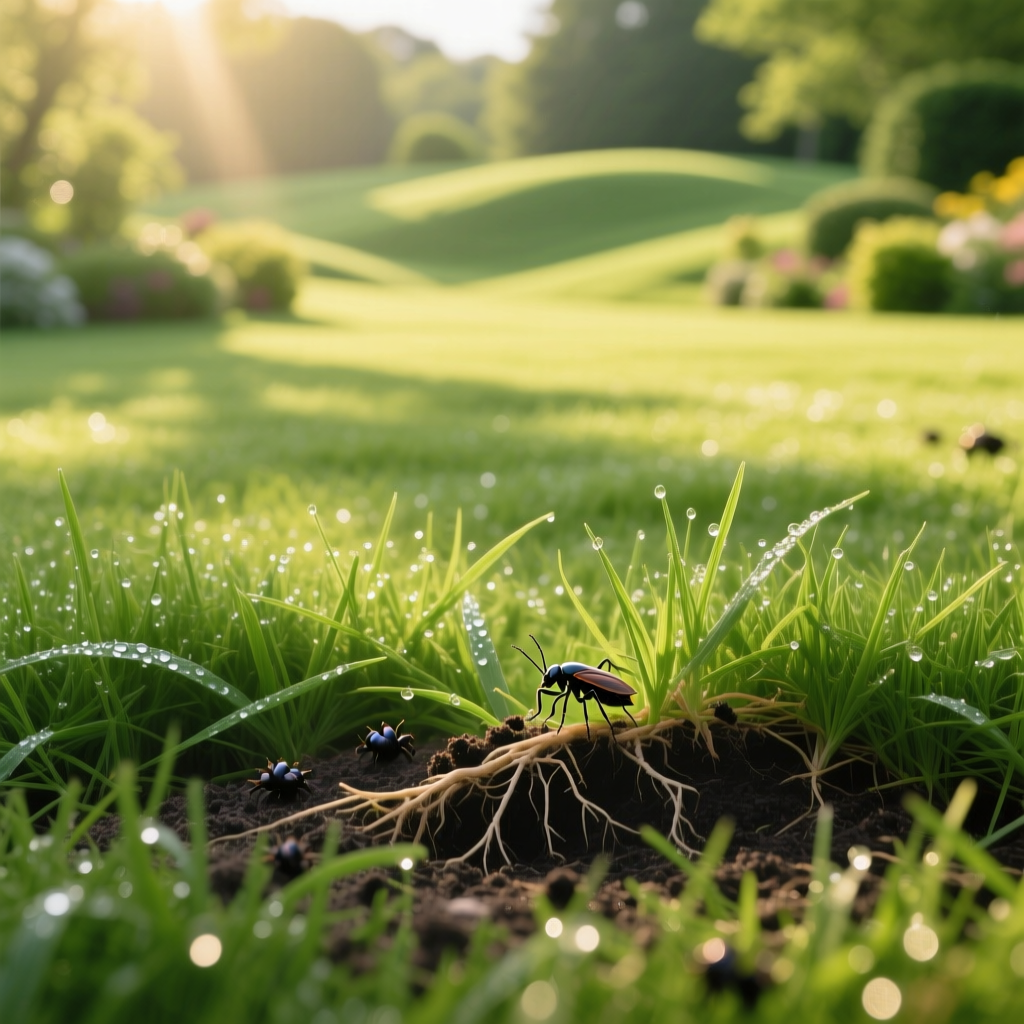
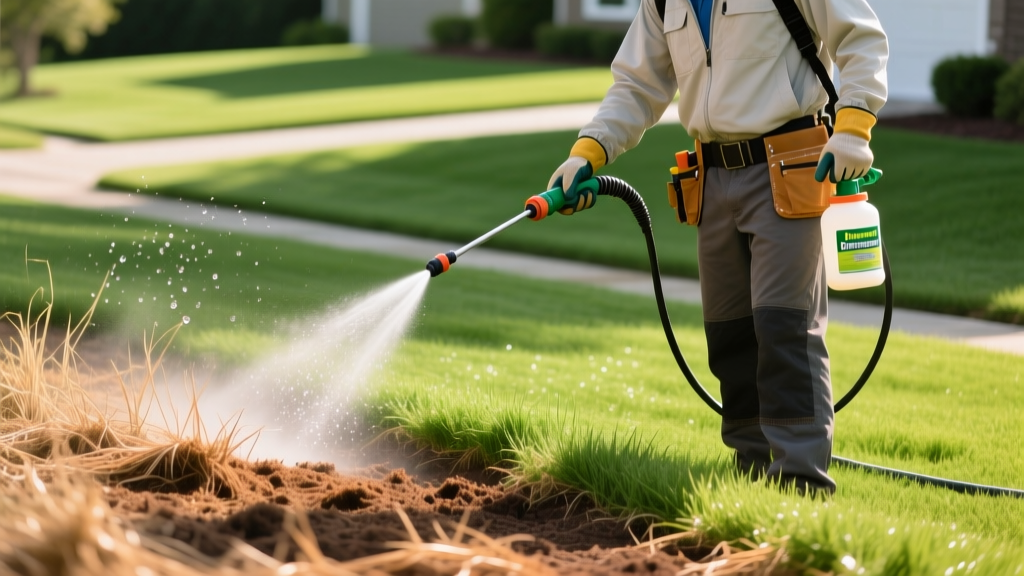
Chinch Bug Treatment
To get rid of chinch bugs in grass, apply a liquid or granular insecticide containing bifenthrin or carbaryl directly to the affected turf, followed by deep watering to push the chemical into the thatch layer. For organic control, introduce natural predators like big-eyed bugs or use insecticidal soaps. This guide is designed for homeowners and lawn care managers maintaining warm-season grasses like St. Augustinegrass, Bermudagrass, and Zoysiagrass who need to halt rapid turf decline.
Key Takeaways:
- Chinch bugs cause yellowing patches that mimic drought stress but do not recover with watering.
- Apply bifenthrin at a rate of 2.5 gallons per 1,000 square feet for rapid chemical eradication.
- Maintain thatch below 0.5 inches to eliminate their primary breeding habitat.
Identifying Chinch Bug Damage in Grass
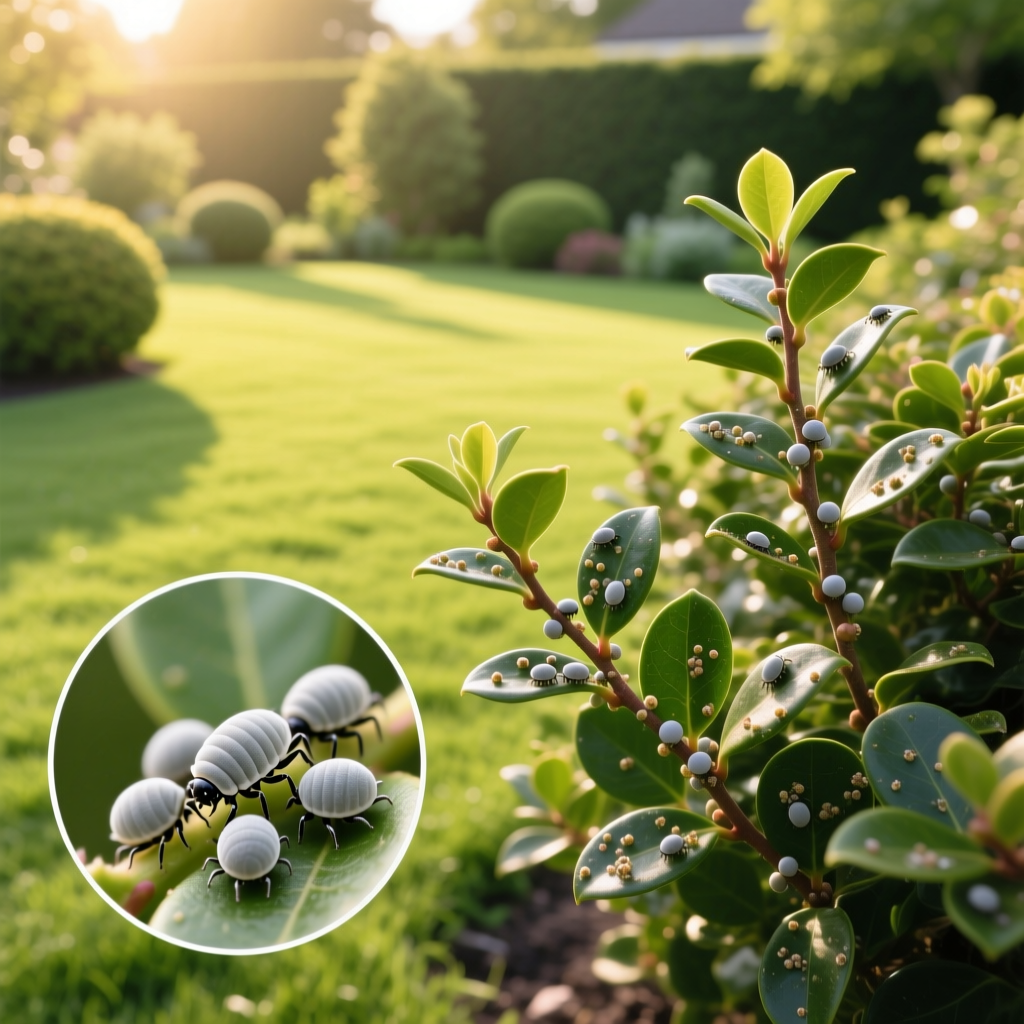
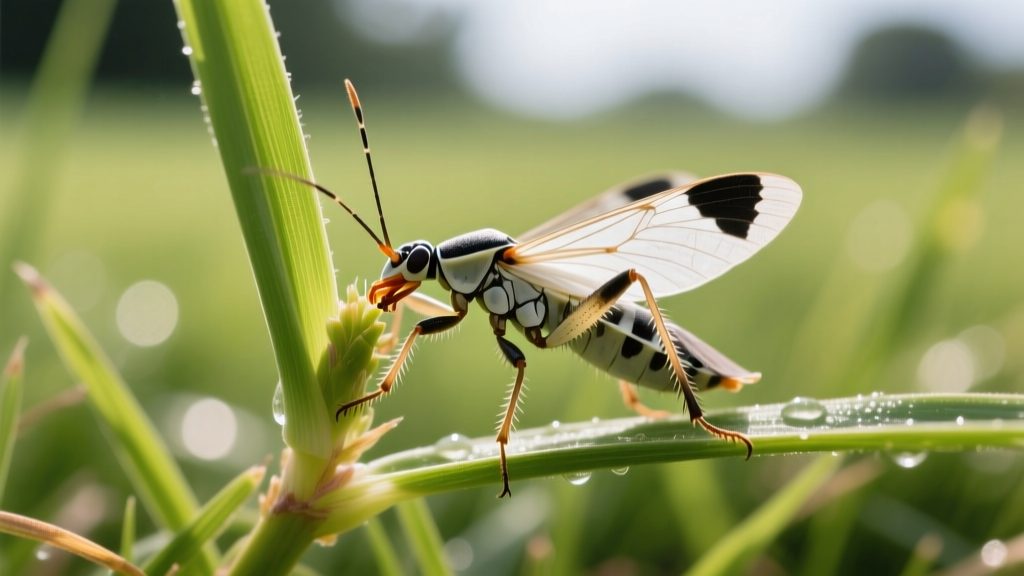
The Southern chinch bug (*Blissus insularis*) is a small, sap-sucking insect measuring 1/8 to 1/5 of an inch long. It primarily targets warm-season turfgrasses, injecting a toxin while feeding that blocks water transport, causing grass to yellow and die rapidly in sun-exposed areas.
Damage typically appears as irregular patches of yellowing grass that quickly turn brown. Unlike drought stress, these dead patches continue to expand even when the lawn receives adequate irrigation. The highest concentrations of pests usually exist at the perimeter of the dying turf.
The Coffee Can Flotation Test
The coffee can flotation test is a diagnostic method for detecting turf pests. By removing both ends of a metal can, forcing it into the soil, and filling it with water, homeowners force subterranean and thatch-dwelling insects to the surface for accurate population counting and identification.
Press a large metal coffee can into the soil at the edge of a damaged area. Fill it with water and wait for five minutes. If 20 bugs per square foot float to the surface, treatment is immediately required to prevent total lawn loss.
Cultural and Natural Controls
A thatch layer is the tightly intermingled organic layer of dead and living shoots, stems, and roots that develops between the zone of green vegetation and the soil surface. When exceeding 0.5 inches in thickness, it provides an ideal protective habitat for chinch bug nymphs and adults.
Core aeration and vertical mowing physically break down excessive thatch. By exposing the soil surface, you remove the pest's protective canopy and allow natural predators to access them more easily.
Biological Predators and Organic Sprays
Big-eyed bugs and predatory beetles naturally consume chinch bugs. Avoid broad-spectrum insecticides if you want to preserve these beneficial insects. For mild infestations, apply neem oil or insecticidal soap directly to the thatch layer during early morning hours when nymphs are most active.
Chemical Treatment Protocols
When populations exceed the economic threshold, synthetic pyrethroids provide the most reliable eradication. According to the University of Florida IFAS Extension, active ingredients like bifenthrin, lambda-cyhalothrin, and permethrin effectively target both nymphs and adults.
Apply liquid formulations at a minimum rate of 2.5 gallons per 1,000 square feet to ensure the chemical penetrates the thatch layer. Granular formulations must be watered in immediately with at least 0.5 inches of water to activate the active ingredient and move it into the pest habitat.
Timing and Resistance Management
Chinch bugs reproduce rapidly when temperatures reach 75°F to 90°F, completing a life cycle in just 14 days. To prevent chemical resistance, rotate between different classes of insecticides. Follow a pyrethroid application with a neonicotinoid or a product containing carbaryl for subsequent treatments.
For comprehensive regional data, the Texas A&M AgriLife Extension recommends treating lawns in late spring before the first generation of summer nymphs matures. Spot-treat the perimeters of damaged areas rather than broadcasting chemicals across the entire property.
Treatment Decision Framework
Use the following matrix to determine the most appropriate intervention based on your lawn's current condition and infestation severity.
| Infestation Level | Thatch Depth | Recommended Action | Expected Timeline |
|---|---|---|---|
| Low (Under 10 bugs/sq ft) | Less than 0.5 inches | Monitor, increase irrigation, rely on natural predators. | Ongoing observation |
| Moderate (10-20 bugs/sq ft) | 0.5 to 1.0 inches | Apply insecticidal soap or neem oil; dethatch lawn. | 7 to 10 days for control |
| High (20+ bugs/sq ft) | Greater than 1.0 inches | Apply liquid bifenthrin; perform aggressive core aeration. | 24 to 48 hours for knockdown |
Frequently Asked Questions
How do I get rid of chinch bugs naturally?
To get rid of chinch bugs naturally, reduce thatch buildup through dethatching, maintain proper irrigation to reduce plant stress, and encourage natural predators like big-eyed bugs. You can also apply organic insecticidal soaps or botanical oils like neem directly to the turf base.
What kills chinch bugs in St. Augustine grass?
Liquid insecticides containing bifenthrin or carbaryl are highly effective at killing chinch bugs in St. Augustinegrass. Ensure the product is labeled safe for St. Augustinegrass, as some formulations can cause phytotoxicity to this specific warm-season turf variety.
When is the best time to apply chinch bug lawn treatment?
The best time to apply chinch bug lawn treatment is in late spring to early summer when the first generation of nymphs is active and most vulnerable. Target the edges of damaged patches where the insects are actively migrating into healthy turf.
Conclusion and Next Steps
Eradicating chinch bugs requires a combination of accurate identification, thatch management, and targeted chemical or organic applications. By monitoring your lawn's thatch depth and utilizing the flotation test, you can catch infestations before they destroy your turf's root system.
Your immediate next step is to perform the coffee can flotation test at the border of any suspicious brown patches. If 20 or more insects surface, select an appropriate treatment from the decision framework above and apply it within 24 hours to halt further spread.