
Pest Control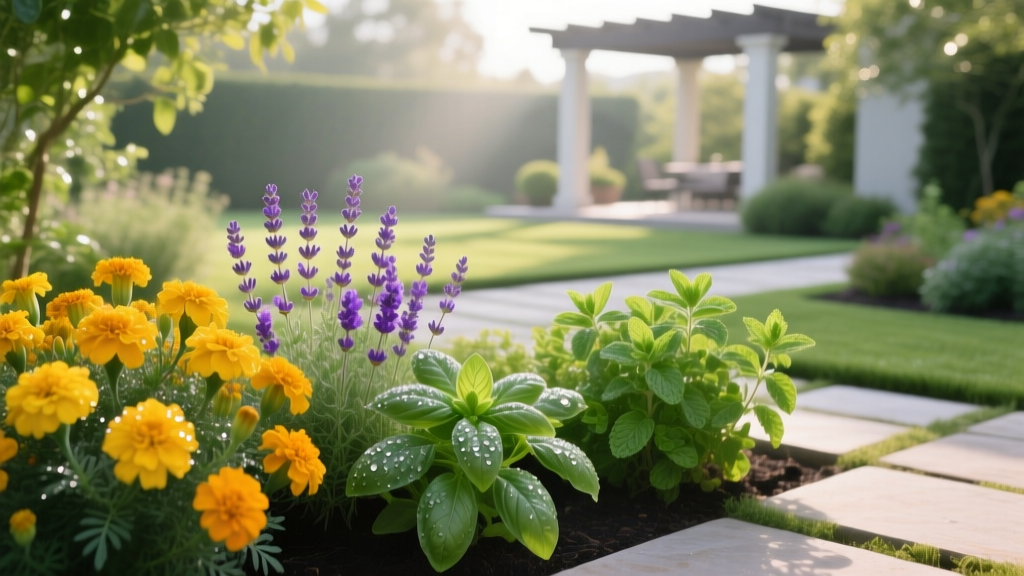
How to Use Plants That Keep Insects Away: A Practical Garden Guide
The Mechanics of Botanical Pest Deterrence
Understanding how plants keep insects away requires looking past gardening folklore and into plant biochemistry. Botanical pest deterrence primarily relies on three mechanisms: volatile organic compound (VOC) emissions that mask host-plant scents, allelopathic root exudates that disrupt soil-dwelling pests, and trap cropping that lures insects away from primary crops. According to the Environmental Protection Agency, botanical pesticides and repellents utilize naturally occurring chemicals like pyrethrins, limonene, and eugenol to disrupt insect nervous systems or olfactory receptors. When integrated correctly into a garden layout, these plants create a multi-tiered defense grid that suppresses pest populations without the need for synthetic chemical interventions.
9 Strategic Plants That Keep Insects Away
To build an effective biological barrier, you must select plants based on their specific chemical profiles and the pests they target. Here are nine highly effective botanical repellents and how to deploy them.
1. French Marigolds (Tagetes patula)
French marigolds are the workhorses of companion planting. Their roots exude alpha-terthienyl, a compound highly toxic to root-knot nematodes, while their foliage emits limonene, which repels whiteflies and aphids. For maximum efficacy, plant the 'Boy' or 'Nemagold' cultivars. Space them 8 to 10 inches apart around the perimeter of tomato and pepper beds. Note that African marigolds (Tagetes erecta) do not produce the same concentration of nematode-suppressing exudates.
2. Basil (Ocimum basilicum)
Basil produces high levels of eugenol and linalool, which mask the scent of solanaceous crops (tomatoes, eggplants) from foraging insects like thrips and tomato hornworms. Plant Genovese or Thai basil varieties directly adjacent to your tomato transplants, maintaining a 12-inch spacing to ensure adequate airflow and prevent fungal overlap.
3. Nasturtiums (Tropaeolum majus) - The Trap Crop
Nasturtiums do not repel; they attract. They act as a sacrificial trap crop for aphids, specifically the black bean aphid and cabbage aphid. Aphids heavily prefer nasturtiums over brassicas. Plant them 3 feet away from your kale, broccoli, and cabbage. Once the nasturtium leaves are heavily colonized by aphids, you must pull and destroy the entire plant to prevent the population from spilling over to your main crops.
4. Alliums (Allium spp.)
The sulfur compounds in garlic, chives, and ornamental alliums disrupt the olfactory navigation of carrot rust flies, Japanese beetles, and aphids. Interplant garlic cloves or chive clumps every 18 inches along carrot and rose rows. The sulfur must be actively volatilizing, meaning the plants need to be actively growing or recently bruised to release the repellent gases.
5. Rosemary (Salvia rosmarinus)
Rosemary's dense, resinous foliage emits camphor and 1,8-cineole, which repel cabbage moths and Mexican bean beetles. Plant upright varieties like 'Tuscan Blue' as a structural border around bean and brassica patches. Because rosemary is a woody perennial, it provides year-round pest suppression in USDA zones 8 and above.
6. Mint (Mentha spp.)
Mint contains pulegone and menthone, which are highly effective at deterring flea beetles, ants, and rodents. However, mint is aggressively invasive. Never plant it directly in a garden bed. Instead, grow mint in 5-gallon fabric pots and place the pots strategically at the corners of your raised beds to create localized repellent zones without allowing the rhizomes to choke your crops.
7. Chrysanthemums (Chrysanthemum cinerariifolium)
The painted daisy variety of chrysanthemum is the natural source of pyrethrins, a potent contact insecticide. While simply growing them won't spray pyrethrin onto your crops, the plants themselves deter a wide array of chewing insects, including harlequin bugs and spider mites. Plant them as a mid-border barrier in ornamental and vegetable transition zones.
8. Petunias (Petunia x hybrida)
Petunias emit a subtle scent that repels asparagus beetles, leafhoppers, and certain aphid species. They are excellent low-growing border plants for asparagus beds and grapevines. Choose trailing varieties to create a dense, 6-inch-high biological mat along the base of your trellises.
9. Lavender (Lavandula angustifolia)
Lavender's high linalool content repels moths, fleas, and flies. Plant English lavender varieties at the entryways of your garden or near seating areas. It requires well-draining soil and full sun, making it ideal for the dry, hot edges of a garden perimeter where other companion plants might struggle.
Companion Planting Matrix: Spacing and Pairings
Proper spacing is critical. If plants that keep insects away are spaced too far apart, the VOC concentration in the air drops below the threshold required to mask host-plant odors. Use this matrix to plan your bed layouts.
| Botanical Repellent | Active Compound | Target Pest | Ideal Companion Crop | Required Spacing |
|---|---|---|---|---|
| French Marigold | Alpha-terthienyl / Limonene | Root-knot nematodes, Whiteflies | Tomatoes, Peppers | 8-10 inches |
| Basil | Eugenol / Linalool | Thrips, Hornworms | Tomatoes, Eggplant | 12 inches |
| Nasturtium | Glucosinolates (Attractant) | Aphids (Trap Crop) | Kale, Cabbage, Broccoli | 36 inches away |
| Garlic / Chives | Allicin / Sulfur compounds | Carrot rust fly, Japanese beetles | Carrots, Roses | 18 inches |
| Rosemary | Camphor / 1,8-cineole | Cabbage moths, Bean beetles | Beans, Brassicas | 24 inches |
Step-by-Step Garden Perimeter Setup
To implement a cohesive pest-deterrent layout, follow this structured approach when preparing your spring garden beds. Research from UMass Extension emphasizes that spatial arrangement dictates the success of companion planting.
- Map the Sun and Airflow: Identify your 6+ hour full-sun zones. Botanical repellents like rosemary and lavender will fail to produce adequate essential oils in shaded areas, rendering them ineffective against pests.
- Establish the Perimeter Barrier: Plant a continuous border of French marigolds and petunias around the exterior edge of your raised beds. This creates the first line of defense against migrating beetles and flying moths.
- Interplant the Mid-Canopy: Inside the bed, alternate your primary crops with basil and alliums. For every two tomato plants, insert one basil plant and one garlic clove in the triangular space between them.
- Deploy Trap Crops Externally: Plant nasturtiums in isolated containers or designated sacrificial beds at least 3 feet outside your main garden perimeter. Check these trap crops every 48 hours for aphid colonization.
WARNING: The Mint Trap
Never plant mint (Mentha spp.) directly into the ground or a shared raised bed. Mint spreads via underground rhizomes and will rapidly outcompete your vegetable crops for water and nutrients, eventually choking them out while simultaneously harboring spider mites in its dense lower canopy. Always use isolated containers for mint.
Never plant mint (Mentha spp.) directly into the ground or a shared raised bed. Mint spreads via underground rhizomes and will rapidly outcompete your vegetable crops for water and nutrients, eventually choking them out while simultaneously harboring spider mites in its dense lower canopy. Always use isolated containers for mint.
Critical Failure Modes in Botanical Pest Control
Many gardeners abandon companion planting because they misunderstand its limitations. Avoid these common failure modes:
- Expecting 100% Eradication: Plants that keep insects away provide suppression, not total eradication. A 60% to 70% reduction in pest pressure is considered a massive success in organic gardening. You must still monitor for breakthrough pests.
- Neglecting Trap Crop Maintenance: If you plant nasturtiums to draw aphids away from your kale, but forget to destroy the nasturtiums once they are infested, you have essentially built an aphid breeding factory adjacent to your main crop. Trap crops must be culled aggressively.
- Improper Cultivar Selection: Planting ornamental African marigolds instead of French marigolds will result in beautiful flowers but zero nematode suppression. The specific botanical variety dictates the chemical output.
- Over-fertilizing with Nitrogen: High-nitrogen synthetic fertilizers promote rapid, sappy green growth in your crops, which makes them highly attractive to aphids and mites. This sappy growth can easily overpower the masking scents of your companion plants, rendering the botanical repellents ineffective.
Frequently Asked Questions
Do plants that keep insects away work indoors?
Yes, but with limitations. Indoor environments lack the wind and airflow necessary to disperse volatile organic compounds (VOCs) across a room. While a potted basil plant on a windowsill may deter a few localized gnats, you cannot rely on indoor companion plants to manage a severe indoor infestation of spider mites or fungus gnats. For indoor efficacy, you must physically brush against the plants daily to release the essential oils into the immediate air space.
How long does it take for companion plants to start repelling insects?
Botanical repellents only work once the plant is actively growing and producing essential oils or root exudates. For marigolds, nematode suppression in the soil requires the plants to be actively growing for at least 3 to 4 months before planting your susceptible crops in that same soil. For airborne repellents like basil and rosemary, the effect begins as soon as the plant has established sufficient foliage to emit VOCs, typically 3 to 4 weeks after transplanting.

