
Pest Control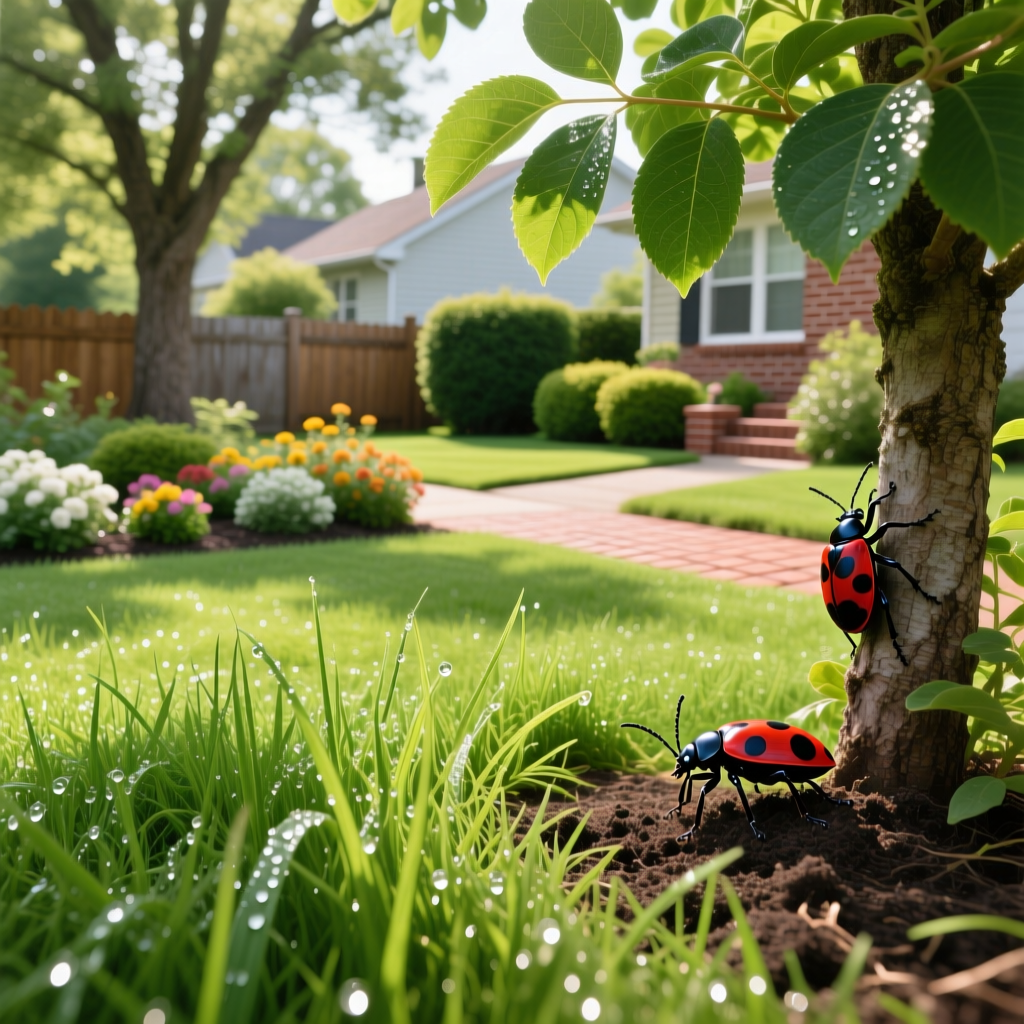
How to Control Boxelder Bugs Around Your Home & Yard
Sarah ChenPublished
Boxelder bugs are a common nuisance pest that can quickly overrun your home and yard, especially during the warmer months and early fall. These small, black-and-red insects are drawn to boxelder trees, maple trees, and ash trees, where they feed on seeds, leaves, and sap. While they don't cause significant structural damage or transmit diseases, their tendency to gather in massive numbers on sunny walls, windowsills, and inside homes makes them a frustrating problem for homeowners and gardeners alike.
If you've noticed clusters of flat, oval-shaped bugs with distinctive red or orange markings congregating on the exterior of your house or crawling across your well-maintained lawn, you're likely dealing with a boxelder bug infestation. Understanding their behavior, lifecycle, and preferred habitats is the first step toward reclaiming your outdoor spaces. In this comprehensive guide, we'll walk you through everything you need to know about identifying boxelder bugs, preventing infestations, and using effective DIY and professional treatments to keep these pests at bay for good.
How to Identify Boxelder Bugs in Your Yard
Before you can effectively control boxelder bugs, you need to confirm that they are indeed the pest you're dealing with. Boxelder bugs (Boisea trivittata) have several distinguishing features that make them relatively easy to identify once you know what to look for.
Physical Characteristics
Adult boxelder bugs are approximately half an inch long with a flat, oval-shaped body. Their most recognizable feature is their coloration: a predominantly black body with bright red or orange-red markings along the edges of their wings and behind their head. These markings form a distinctive V-shape or X-pattern on their back when their wings are folded. Nymphs (immature boxelder bugs) look quite different from adults — they are smaller, brighter red, and lack fully developed wings. As they mature through several instar stages, they gradually develop the characteristic black-and-red coloration of adults.
Where to Find Them
Boxelder bugs are most commonly found in the following areas around your property:
- On boxelder, maple, and ash trees — particularly on the south- and west-facing sides where sunlight is most abundant
- On the exterior walls of your home — especially on sun-warmed surfaces during fall and early spring
- Around windows, doors, and foundation cracks — where they attempt to enter your home for overwintering shelter
- In garden beds and on ornamental plants — particularly if these are near host trees
- On fences, sheds, and other outdoor structures — where they gather in large aggregations
Signs of an Infestation
The most obvious sign of a boxelder bug infestation is seeing large groups of these insects clustered together on surfaces around your property. Unlike some pests, boxelder bugs are highly social and congregate in noticeable numbers. During the fall, you may spot hundreds or even thousands of them on the sunny side of your house. If they've found their way indoors, you'll typically find them around windows, light fixtures, and warm areas of your home. Another subtle sign is the presence of reddish-orange stains on curtains, walls, or fabrics — this occurs when the bugs are crushed, releasing a foul-smelling, staining fluid from their bodies.
If you're noticing damage to your trees alongside these insects, you may also want to check our guide to common tree pests for additional identification help.
Understanding Boxelder Bug Behavior & Lifecycle
To develop an effective control strategy, it helps to understand the boxelder bug's lifecycle and behavioral patterns. These insects follow a predictable annual cycle that dictates when they're most active, when they reproduce, and when they seek shelter.
The Annual Lifecycle
Boxelder bugs overwinter as adults in protected areas such as cracks in your home's foundation, behind siding, under bark, and within leaf litter. As temperatures warm in early spring, typically when daytime temperatures consistently reach 50°F or higher, the adults emerge from their hiding spots and return to host trees — primarily female boxelder trees — to feed and mate.
Females lay clusters of straw-yellow eggs on the leaves, bark, and seeds of host trees throughout late spring and early summer. These eggs darken to red as they approach hatching, which typically occurs within two weeks. The nymphs that emerge feed voraciously on developing seeds and tender new growth throughout the summer, molting through five developmental stages before reaching adulthood by mid-to-late summer.
A second generation may occur in warmer climates, leading to even larger populations by fall. As autumn approaches and temperatures drop, adult boxelder bugs begin seeking sheltered locations to overwinter, which is when they become the most noticeable — and the most problematic — for homeowners.
Why They Invade Your Home & Yard
Boxelder bugs are primarily attracted to two things: food sources (host trees) and warm, sheltered overwintering sites. Homes with southern or western exposure are particularly attractive because they retain heat from the afternoon sun. Light-colored buildings tend to attract more boxelder bugs than darker structures, as the contrast makes it easier for the insects to spot potential entry points.
Your yard becomes a target when it contains or is near host trees. Boxelder trees (especially female, seed-producing specimens), silver maples, red maples, and ash trees are the primary attractants. However, boxelder bugs have also been known to feed on fruits such as apples, peaches, grapes, and strawberries, as well as ornamental plants in your garden beds. Maintaining a healthy, well-managed landscape through proper seasonal lawn care can help reduce the overall attractiveness of your property to these pests.
Prevention Strategies to Keep Boxelder Bugs Away
Prevention is always the most effective and cost-efficient approach to pest management. By making your home and yard less attractive to boxelder bugs, you can significantly reduce the likelihood of an infestation before it starts. Here are the most impactful preventive measures you can take.
Remove or Manage Host Trees
The single most effective long-term prevention strategy is to remove female boxelder trees from your property, as these produce the seeds that serve as the primary food source for boxelder bugs. If removal isn't practical or desirable, consider replacing them with male boxelder trees, which do not produce seeds and are far less attractive to these insects. You can also reduce the food supply by raking up and disposing of fallen seeds, seed pods, and leaves promptly throughout the growing season.
If you're considering planting new trees as replacements, consult our guide to choosing the right shade trees for species that are less likely to attract nuisance pests while still providing beautiful canopy cover for your yard.
Seal Entry Points Around Your Home
Boxelder bugs are remarkably skilled at finding tiny gaps and cracks to enter your home. A thorough inspection and sealing effort in late summer — before the fall invasion begins — can prevent the vast majority of indoor infestations. Focus on the following areas:
- Foundation cracks — Use a high-quality silicone or silicone-latex caulk to seal all visible cracks and gaps in your home's foundation
- Window and door frames — Install or replace weather stripping and ensure screens are intact without tears or holes
- Utility penetrations — Seal gaps around pipes, cables, vents, and other openings where utilities enter your home
- Soffit and fascia gaps — Repair damaged soffit screens and seal gaps where the roofline meets the walls
- Vents and weep holes — Cover with fine copper or stainless steel mesh (at least 20-mesh) to allow airflow while blocking insects
Maintain Your Yard & Landscape
A well-maintained yard is inherently less attractive to boxelder bugs and many other pests. Follow these lawn maintenance tips to reduce boxelder bug habitat:
- Keep grass mowed to the recommended height for your grass type and remove excessive thatch buildup
- Rake and remove leaf litter, especially near the foundation of your home and beneath host trees
- Maintain a clear zone of at least 6 to 10 feet between tree branches and your home's exterior
- Trim back shrubs, vines, and branches that touch your house, as these serve as bridges for bugs to reach your walls
- Remove piles of rocks, boards, and debris near your home where boxelder bugs can hide and overwinter
- Ensure proper yard drainage to prevent excess moisture that can attract various pests
Create a Barrier Treatment Zone
Applying a preventive insecticide barrier around the perimeter of your home in late summer and early fall can intercept boxelder bugs before they reach your walls. Use a residual insecticide labeled for outdoor perimeter use and apply it in a band approximately 3 to 5 feet wide around the foundation, extending up the wall 2 to 3 feet. Pay special attention to the south and west sides of your home, as well as around windows, doors, and other potential entry points. Reapply according to the product label instructions, typically every 30 to 90 days depending on the formulation and weather conditions.
DIY Solutions for Controlling Boxelder Bugs
If you're already dealing with a boxelder bug problem, there are several effective do-it-yourself methods you can employ to reduce their numbers and regain control of your outdoor living spaces. These solutions range from simple physical removal techniques to targeted natural and chemical treatments.
Physical Removal Methods
For smaller infestations or as a supplement to other control methods, physical removal can be surprisingly effective:
- Vacuuming — Use a shop vacuum or a household vacuum with a hose attachment to suck up clusters of boxelder bugs from walls, windowsills, and other surfaces. Empty the vacuum bag or canister immediately into a sealed plastic bag and dispose of it in an outdoor trash container to prevent the bugs from escaping back inside
- Soapy water spray — Mix approximately 2 tablespoons of liquid dish soap with 1 gallon of water in a spray bottle or garden sprayer. Spray the solution directly on boxelder bugs. The soap breaks down the waxy coating on their exoskeleton, causing dehydration and death on contact. This method is safe for use on most outdoor surfaces and has no residual environmental impact
- Garden hose blast — For bugs clustered on tree trunks, fences, or exterior walls, a strong stream of water from a garden hose can dislodge and disperse them. While this doesn't kill the bugs, it temporarily disrupts their aggregation and can reduce visible numbers significantly
- Sticky traps — Place adhesive traps near windows, doors, and other entry points indoors to catch bugs that have made their way inside. While not a complete solution, traps help monitor the severity of an indoor infestation
Natural & Organic Treatments
For homeowners who prefer environmentally friendly pest control options, several natural treatments can effectively reduce boxelder bug populations:
- Diatomaceous earth (DE) — Food-grade diatomaceous earth is a fine powder made from fossilized algae. When boxelder bugs crawl across it, the microscopic sharp edges cut their exoskeleton, leading to dehydration and death. Apply a thin layer around the perimeter of your home, along foundation cracks, and in areas where bugs congregate. Note that DE must be reapplied after rain or heavy dew, as it loses effectiveness when wet
- Neem oil — This natural insecticide derived from the neem tree disrupts the hormonal systems of insects, affecting their feeding, mating, and development. Mix according to label directions and spray on host tree foliage, seeds, and surrounding areas. Neem oil is biodegradable and safe for use around most beneficial insects when applied in the evening
- Essential oil sprays — Certain essential oils, including peppermint, clove, and eucalyptus, act as natural repellents for boxelder bugs. Mix 10 to 15 drops of essential oil per cup of water with a small amount of dish soap as an emulsifier, and spray around windows, doors, and other entry points. Reapply every few days or after rain for continued effectiveness
- Boric acid — Apply boric acid powder in cracks, crevices, and other areas where boxelder bugs travel indoors. While slower-acting than contact sprays, boric acid provides long-lasting residual control and is relatively low in toxicity to humans and pets when used as directed
For those managing broader pest issues in their landscape, our guide to natural pest control methods covers additional eco-friendly strategies for a variety of common yard pests.
Chemical Insecticide Options
When natural methods aren't providing sufficient control, targeted chemical insecticides can offer faster and longer-lasting results. Always read and follow label instructions carefully, and consider the following options:
- Pyrethroid-based sprays — Insecticides containing active ingredients such as bifenthrin, cypermethrin, deltamethrin, or lambda-cyhalothrin are highly effective against boxelder bugs. These products provide both contact kill and residual protection lasting several weeks. Apply as a perimeter barrier treatment around your home's foundation and on nearby vegetation where bugs congregate
- Insecticidal soap concentrates — Commercial insecticidal soaps are more concentrated than homemade dish soap solutions and are specifically formulated for pest control. They provide reliable contact kill with minimal environmental impact and can be used on trees, shrubs, and around the home perimeter
- Systemic tree treatments — For heavy infestations centered around specific host trees, systemic insecticides applied as a soil drench can be absorbed by the tree's roots and translocated throughout the plant. When boxelder bugs feed on treated foliage and seeds, they ingest the insecticide and die. This method provides long-term control but should be used judiciously and in accordance with local regulations
When applying any chemical treatment to your lawn or garden, be sure to follow best practices for safe pesticide application to protect your family, pets, and beneficial organisms in your yard.
When to Call a Professional Pest Control Service
While many boxelder bug infestations can be managed with diligent DIY efforts, there are situations where enlisting the help of a licensed pest control professional is the wisest course of action. Recognizing these scenarios early can save you time, frustration, and potentially prevent a minor problem from becoming a major one.
Signs You Need Professional Help
Consider contacting a professional pest control service if you experience any of the following:
- Recurring annual infestations — If boxelder bugs return in large numbers year after year despite your best prevention and treatment efforts, a professional can identify hidden entry points, harborage areas, and food sources that you may have missed
- Large-scale outdoor aggregations — When thousands of bugs are covering your home's exterior, trees, and surrounding structures, the scale of the problem may exceed what consumer-grade products can handle effectively
- Significant indoor infiltration — If boxelder bugs are consistently appearing inside your home in large numbers throughout fall and winter, they may have established overwintering colonies within your walls, attic, or crawl spaces that require professional treatment
- Multiple pest problems — If you're simultaneously dealing with other pests such as stink bugs, Asian lady beetles, or ants alongside boxelder bugs, a professional can develop an integrated pest management (IPM) plan that addresses all issues simultaneously
- Safety concerns — If treatment requires working at heights (multi-story homes), handling restricted-use pesticides, or treating near sensitive areas such as water features or pollinator habitats, professional applicators have the training and equipment to do so safely
What to Expect from Professional Treatment
A reputable pest control company will typically begin with a thorough inspection of your property to identify the extent of the infestation, locate host trees and harborage areas, and assess potential entry points into your home. Based on their findings, they'll develop a customized treatment plan that may include:
- Exterior perimeter treatment with commercial-grade residual insecticides
- Direct treatment of host trees and surrounding vegetation
- Crack-and-crevice treatments around windows, doors, and utility penetrations
- Interior treatments for active bugs and potential overwintering sites
- Recommendations for structural repairs and landscape modifications to prevent future infestations
- A follow-up schedule to monitor effectiveness and apply additional treatments as needed
Most professional treatments for boxelder bugs range in cost depending on the size of your property and the severity of the infestation. Many companies offer seasonal or annual pest control plans that include boxelder bug management alongside treatment for other common household pests, which can provide better value than one-time treatments.
Choosing the Right Pest Control Company
When selecting a pest control provider, look for companies that are licensed and insured in your state, employ certified technicians, and follow integrated pest management (IPM) principles. IPM emphasizes using the least toxic methods first and resorting to chemical treatments only when necessary. Ask for references, read reviews, and request detailed written estimates before committing to a service plan. A good pest control professional will also educate you about prevention steps you can take between treatments to maximize long-term results.
Pairing professional pest control with a solid complete lawn care routine will help ensure your entire property remains healthy, attractive, and pest-resistant throughout the year.
Frequently Asked Questions About Boxelder Bugs
Are boxelder bugs harmful to humans, pets, or plants?
Boxelder bugs are not considered dangerous to humans or pets. They do not bite, sting, or transmit diseases. However, they can emit a foul odor and release a reddish-orange fluid when crushed or disturbed, which can stain fabrics, curtains, walls, and upholstery. In terms of plant damage, boxelder bugs primarily feed on seeds and cause minimal harm to mature trees. In very large numbers, their feeding may cause slight distortion or discoloration of new growth, but they rarely cause significant damage to healthy, established trees or landscape plants. They may occasionally feed on soft fruits like strawberries or grapes, causing minor cosmetic damage.
Why do I suddenly have so many boxelder bugs on my house?
Sudden large gatherings of boxelder bugs on your home typically occur during two key periods: early spring when overwintering adults emerge from hiding, and fall when the current season's adults begin seeking sheltered locations to spend the winter. The south- and west-facing walls of your home are particularly attractive because they absorb and radiate heat from the afternoon sun. If you have boxelder trees, maple trees, or ash trees on or near your property, you're more likely to experience large aggregations. Weather changes, such as a sudden cold snap or a warm spell after a cool period, can also trigger mass movement events where thousands of bugs relocate simultaneously.
How do I get rid of boxelder bugs that are already inside my home?
The best approach for removing boxelder bugs already inside your home is to use a vacuum cleaner to physically remove them rather than crushing them, which causes staining and odor. A shop vacuum is ideal because you can easily empty the collection bag or canister outdoors. Avoid using insecticide foggers or sprays indoors for boxelder bugs, as these can stain surfaces and expose your family to unnecessary chemicals. After removing visible bugs, inspect and seal potential entry points to prevent more from entering. If bugs continue to emerge from wall voids or attic spaces throughout the winter, you may need to have a professional treat these hidden harborage areas directly.
Will boxelder bugs damage my lawn or garden?
Boxelder bugs pose very little threat to your lawn. They do not feed on grass and generally pass through turf areas only when moving between host trees and overwintering sites. In garden settings, they may occasionally feed on soft fruits, vegetables, and ornamental flowers, but the damage is usually superficial and cosmetic rather than destructive. The bigger concern with boxelder bugs in your garden is their sheer numbers, which can be unsightly and unsettling. Maintaining healthy soil and practicing good organic lawn fertilization and garden hygiene will keep your landscape resilient against the minor feeding damage these insects may cause.
What time of year are boxelder bugs most active, and when should I treat for them?
Boxelder bugs are most active during two distinct periods: late spring through summer, when they are feeding and reproducing on host trees, and early to mid-fall, when they begin migrating to overwintering sites. The most critical time for preventive treatment is late summer to early fall, approximately four to six weeks before the first expected frost in your area. Applying a perimeter barrier treatment during this window can intercept the majority of bugs before they reach your home's exterior. A secondary treatment in early spring, when overwintering adults first emerge, can help reduce the breeding population for the coming season. Consistent monitoring and spot treatments throughout the active season will provide the best overall control.
By combining the identification tips, preventive strategies, and treatment methods outlined in this guide, you can effectively manage boxelder bugs and enjoy a more comfortable, pest-free home and yard. Remember that consistency is key — regular maintenance of your landscape, timely sealing of entry points, and proactive treatments will keep these nuisance insects from gaining a foothold on your property season after season. For more tips on maintaining a beautiful, healthy outdoor space, explore our complete collection of lawn care guides and pest control resources.

