
Pest Control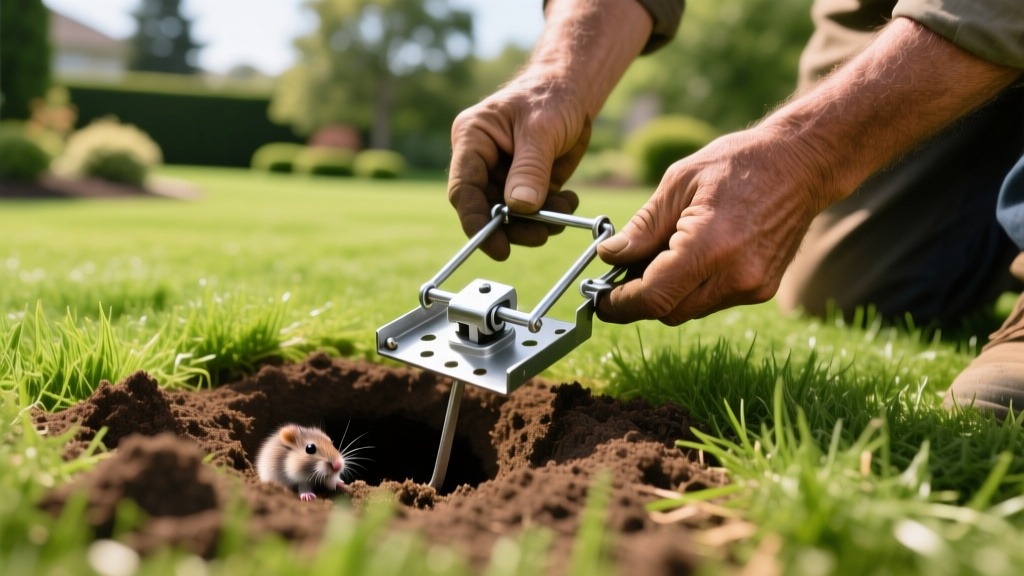
How to Control Gophers: Expert Trapping and Baiting Strategies
The True Cost of Pocket Gopher Damage
Pocket gophers (Thomomys species) are subterranean rodents capable of moving up to 2,250 pounds of soil to the surface annually. A single gopher can tunnel through 200 to 2,000 square feet of lawn, severing irrigation lines, destroying turfgrass root systems, and girdling the taproots of ornamental trees. Because they spend 90% of their lives underground, surface-level deterrents like ultrasonic spikes and castor oil sprays are biologically ineffective. To successfully control gophers, homeowners must target the main tunnel runways using mechanical traps, regulated toxic baits, or physical subterranean exclusion.
Identifying Gopher Activity: Gophers vs. Moles vs. Voles
Misidentifying the pest is the most common reason eradication efforts fail. Gophers, moles, and voles require entirely different management protocols. Before deploying traps or baits, verify the species using the morphological indicators below.
| Indicator | Pocket Gopher | Mole | Vole |
|---|---|---|---|
| Mound Shape | Fan-shaped or crescent | Volcano-shaped (symmetrical) | No mounds; small exit holes |
| Surface Plug | Visible plug off to one side of the mound | Plug in the direct center of the mound | N/A (runways are above ground) |
| Diet | Herbivore (roots, tubers, bark) | Insectivore (grubs, earthworms) | Herbivore (stems, grass blades) |
| Tunnel Depth | 6 to 12 inches (main runway) | 3 to 6 inches (foraging) / deeper nests | Surface to 2 inches deep |
The Decision Framework: Traps vs. Baits vs. Exclusion
Choosing the right method depends on your population density, local regulations, and the specific landscape features you are protecting. According to the University of California Integrated Pest Management program, an integrated approach combining immediate population reduction with long-term exclusion yields the highest success rates.
Strategic Selection Guide
- Use Traps When: You have a low-to-moderate population (1-5 mounds per week), are dealing with moist spring/fall soil, or live in areas with strict pesticide regulations (e.g., California's anticoagulant restrictions).
- Use Baits When: You are facing a high population density across a large area (over 1 acre), the soil is dry (which keeps bait from molding), and you can guarantee pet and wildlife safety.
- Use Exclusion When: You are protecting high-value assets like raised vegetable beds, young orchards, or expensive ornamental gardens where zero tolerance for damage is required.
Mechanical Trapping: Models, Pricing, and Efficacy
Trapping is the most reliable method to control gophers because it provides immediate confirmation of a catch and avoids secondary poisoning risks. The goal is to intercept the gopher in its main lateral runway.
Top Trap Recommendations
- Macabee Box Trap ($15 - $18 per pair): The traditional U-shaped pincer trap. It requires precise setting and is best for smaller gopher species. The narrow trigger pan can sometimes result in false releases if soil collapses into the tunnel.
- Victor Black Box Choker Trap ($20 - $24 per pair): Features a wider trigger plate and a powerful spring-loaded choker loop. It is highly effective in sandy soils where tunnel walls are prone to collapsing, as the wide plate catches the gopher even if the tunnel degrades slightly.
- The Gophinator ($25 - $30 per pair): Constructed from heavy-duty stainless steel, this trap is the professional standard for large species like Botta's pocket gophers. The rear catch mechanism allows for easy retrieval, and the robust spring tension prevents large gophers from pulling the trap through the tunnel.
Step-by-Step Tunnel Probing and Trap Setting
Finding the main runway is the critical failure point for most homeowners. Gophers dig lateral tunnels to push dirt to the surface, but these laterals connect to a deeper, heavily trafficked main runway.
- Locate the Plug: Identify the freshest mound (dark, moist soil). Find the dirt plug that seals the lateral tunnel, usually located 8 to 12 inches to one side of the mound's center.
- Probe the Lateral: Insert a stainless steel gopher probe (or a long screwdriver) into the plug at a 45-degree angle. Push it down 6 to 8 inches until you feel it slip into the open lateral tunnel.
- Find the Main Runway: Follow the lateral tunnel by probing forward. The main runway is typically located 12 to 18 inches away from the mound and sits 6 to 12 inches deep. You will know you've hit it when the probe suddenly drops 2 to 3 inches into a wider cavity.
- Excavate the Opening: Use a hand trowel to dig a small, clean hole down to the main runway. Do not collapse the tunnel walls.
- Set and Secure: Place two traps facing opposite directions in the runway. Wire them to a surface stake using 16-gauge galvanized wire so the gopher cannot pull the trap deep into the burrow system.
- Block Light and Drafts: Cover the excavation hole with a piece of sod or a dark bucket. Gophers will plug any hole that lets in light or air, which triggers them to push dirt directly into the trap's trigger mechanism.
Toxic Baits: Active Ingredients and Regulatory Constraints
When trapping is impractical, toxic baits can control gophers effectively. However, bait selection is heavily regulated, and recent legislative changes have restricted several common active ingredients to protect non-target wildlife and domestic pets.
| Active Ingredient | Mode of Action | Regulatory Status (2026) | Best Application Method |
|---|---|---|---|
| Strychnine Alkaloid | Acute neurotoxin (single feed) | Highly restricted; banned for retail sale in CA, WA, and OR. | Hand-placed in main runway using a bait dispenser. |
| Zinc Phosphide | Acute toxic gas release in stomach (single feed) | Available to consumers in most states; restricted use in some. | Must be placed deep in dry tunnels to prevent premature degradation. |
| Diphacinone | First-generation anticoagulant (multiple feeds) | Banned for retail sale in California (AB 1788); available elsewhere. | Requires 3-5 days of continuous feeding; high risk of secondary poisoning. |
Warning: Secondary Poisoning Risks
Anticoagulant baits (like Diphacinone) accumulate in the liver of the target rodent. If a barn owl, hawk, or neighborhood cat consumes a poisoned gopher, the predator can suffer fatal internal hemorrhaging. Always prioritize traps or acute single-feed baits (Zinc Phosphide) in areas with high raptor or free-roaming pet activity, as noted by Penn State Extension wildlife management guidelines.
Anticoagulant baits (like Diphacinone) accumulate in the liver of the target rodent. If a barn owl, hawk, or neighborhood cat consumes a poisoned gopher, the predator can suffer fatal internal hemorrhaging. Always prioritize traps or acute single-feed baits (Zinc Phosphide) in areas with high raptor or free-roaming pet activity, as noted by Penn State Extension wildlife management guidelines.
Proper Bait Application Technique
Never drop bait into the lateral tunnel or the surface mound; the gopher will simply bury it. Use a specialized gopher bait applicator tube to deposit 5 to 10 pellets directly into the main runway. Probe the main tunnel, insert the applicator tube, and dispense the bait. Seal the probe hole immediately with a clod of dirt to prevent surface moisture from ruining the bait and to keep non-target animals away.
Long-Term Exclusion: Trenching and Gopher Wire
If you are installing a new lawn, raised bed, or planting a vulnerable orchard, physical exclusion is the only permanent solution to control gophers. Standard chicken wire is useless; gophers can easily chew through thin, low-gauge wire or squeeze through large gaps.
Specifications for Subterranean Exclusion
- Material: 20-gauge galvanized steel wire with a 3/4-inch hexagonal mesh (commonly sold as 'gopher wire').
- Depth: Trench the wire to a minimum depth of 18 to 24 inches. Gophers rarely dig deeper than 18 inches for foraging, though they may dig deeper for nesting in freezing climates.
- The L-Bend: At the bottom of the trench, bend the bottom 6 inches of the wire outward (away from the protected area) at a 90-degree angle. When a gopher tunnels upward from below and hits the horizontal wire shelf, it will attempt to dig around it, failing to realize the vertical barrier continues above.
- Surface Lip: Leave 2 to 3 inches of wire extending above the soil line to prevent gophers from simply walking over the barrier during heavy rains or flooding.
While the upfront cost of gopher wire installation ranges from $1.50 to $2.50 per linear foot (excluding labor), it provides a 15- to 20-year lifespan, making it vastly more cost-effective than perpetual trapping and lawn repair.
Botanical Deterrents: Fact vs. Fiction
Many gardening blogs recommend planting Euphorbia lathyris (gopher spurge), garlic, or marigolds to repel gophers. University field trials consistently show these plants do not deter gophers. In fact, gophers frequently tunnel directly beneath gopher spurge to eat the roots of adjacent, more palatable plants. Do not rely on botanical deterrents for crop or lawn protection; stick to mechanical, chemical, or physical exclusion methods for guaranteed results.

