Pest Control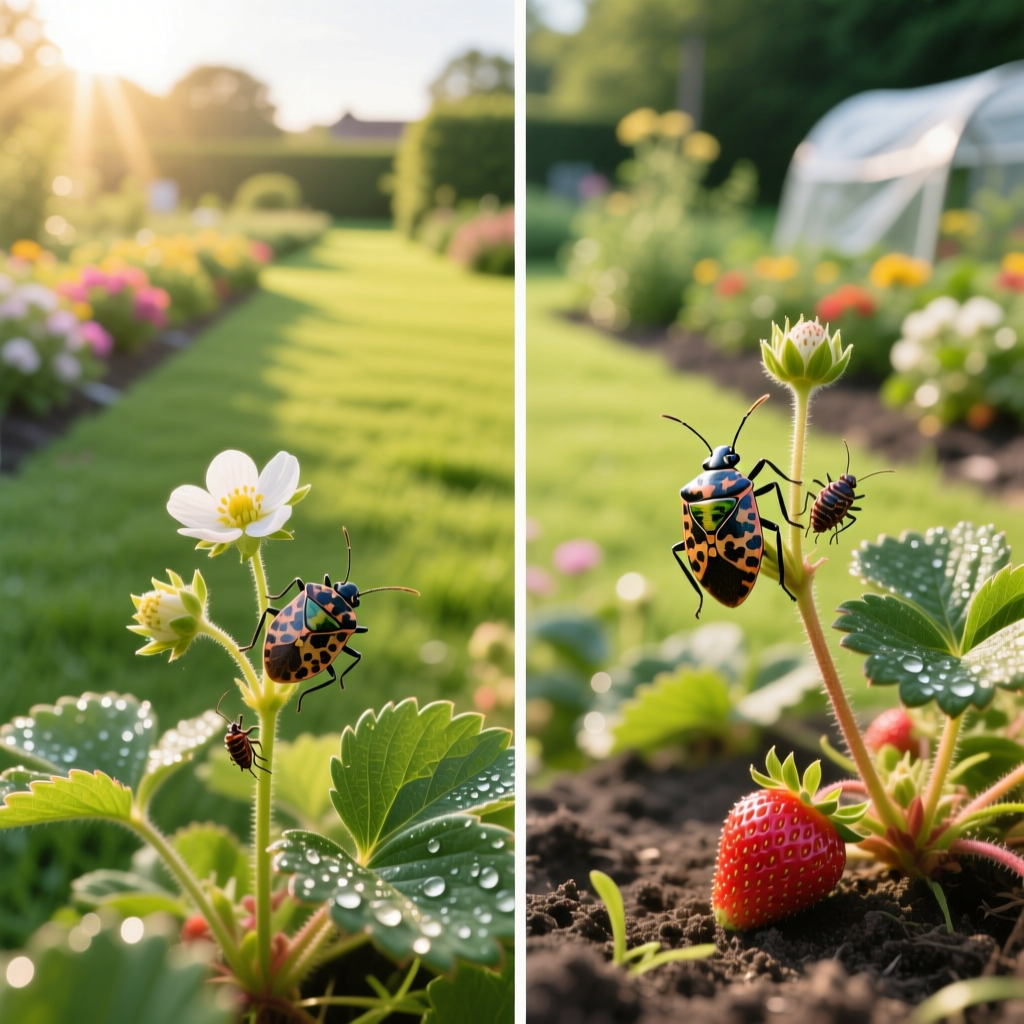
Control Tarnished Plant Bugs in Strawberry & Flower Gardens
Sarah ChenPublished
How to Control Tarnished Plant Bugs in Strawberry & Flower Gardens
If you have noticed deformed strawberries, distorted flower buds, or stunted new growth in your garden, tarnished plant bugs may be the culprit. These small but destructive insects are among the most common and damaging pests affecting strawberry patches and ornamental flower beds alike. Known scientifically as Lygus lineolaris, tarnished plant bugs feed on the sap of developing fruits, buds, and tender shoots, leaving behind misshapen produce and ruined blooms.
For home gardeners and small-scale growers, a tarnished plant bug infestation can mean the difference between a bountiful harvest and a disappointing season. The good news is that with proper identification, smart cultural practices, and targeted treatment strategies, you can manage these pests effectively without resorting to harsh chemicals. Whether you are tending a backyard strawberry bed or cultivating a cutting flower garden, this comprehensive guide will walk you through every step of tarnished plant bug control.
Before diving into specific control strategies, it is worth noting that maintaining overall garden health is your first line of defense. Healthy, well-maintained plants are more resilient to pest pressure. For foundational tips on keeping your outdoor spaces in top shape, explore our lawn care guides and learn how integrated landscape management supports pest resistance across your entire property.
Identifying Tarnished Plant Bugs and Their Damage
Effective pest control always begins with accurate identification. Tarnished plant bugs are relatively small insects, typically measuring about one-quarter of an inch in length as adults. They have a mottled appearance, ranging in color from pale yellow-green to reddish-brown, with a distinctive yellow-tipped triangle shape on their backs. Their flattened, oval bodies and relatively long legs allow them to move quickly across plant surfaces, and they will often dart away or drop to the ground when disturbed.
Life Stages to Watch For
Understanding the life cycle of the tarnished plant bug is critical for timing your control efforts. These insects overwinter as adults in leaf litter, weeds, and other sheltered areas near your garden. In early spring, they become active and begin feeding on emerging vegetation. Females lay eggs directly into plant tissue, and the resulting nymphs appear within one to two weeks. Nymphs are small, green, and wingless, resembling aphids at first glance, but they move much more rapidly and lack the cornicles (small tube-like structures) found on aphids.
Multiple generations can occur throughout the growing season, which means that a single early treatment may not be sufficient. Monitoring your garden regularly from early spring through late summer is essential for catching new populations before they cause significant damage.
Recognizing the Damage
Tarnished plant bugs use their piercing-sucking mouthparts to feed on plant tissue, injecting enzymes that break down cells and allow the insect to consume the liquefied contents. This feeding behavior causes several distinctive types of damage:
- Cat-facing on strawberries: Developing fruits become puckered, dimpled, and misshapen. The tips of berries may remain hard and green while the rest of the fruit ripens, a condition commonly called "nubbins" or "cat-faced" berries.
- Bud blasting in flowers: Flower buds may wither, turn brown, and drop before opening. This is especially devastating in ornamental gardens where bloom production is the primary goal.
- Shoot distortion: New growth may appear twisted, stunted, or blackened at the tips, as the bugs preferentially feed on tender meristematic tissue.
- Seed damage: In plants grown for seed production, tarnished plant bugs can hollow out developing seeds, reducing viability and yield.
The damage is often confused with frost injury, nutrient deficiencies, or other pest problems. If you are unsure whether tarnished plant bugs are responsible, try gently tapping suspected plant parts over a white sheet of paper. The fast-moving bugs will drop onto the paper where they are easy to spot. For help distinguishing pest damage from other garden issues, our pest control resource center covers a wide range of common garden insects and their telltale signs.
Prevention Strategies for Tarnished Plant Bugs
As with most pest management challenges, prevention is far more effective and less labor-intensive than trying to eliminate an established population. Tarnished plant bugs thrive in weedy, overgrown environments, so creating conditions that are unfavorable to them is one of the most powerful tools in your arsenal.
Weed Management Around the Garden
Tarnished plant bugs are strongly attracted to a wide variety of broadleaf weeds, which serve as alternate hosts and breeding grounds. Common weed hosts include chickweed, pigweed, lambsquarters, dandelion, wild mustard, and shepherd's purse. By maintaining a clean, weed-free zone around your strawberry beds and flower gardens, you significantly reduce the local population of these pests.
Establish a weed-free buffer of at least ten to fifteen feet around your garden if possible. Mow or trim surrounding areas regularly, and avoid allowing weeds to flower and set seed near your planting beds. For advice on maintaining clean borders and healthy surrounding turf, check out our weed control strategies that complement your garden pest management efforts.
Cultural Practices That Discourage Infestations
Several cultural practices can make your garden less attractive to tarnished plant bugs:
- Remove overwintering sites: In late fall or early spring, clear away leaf litter, dead plant debris, and old mulch from around garden beds where adult bugs may be sheltering.
- Avoid planting near host crops: Tarnished plant bugs are common in alfalfa fields, cotton fields, and areas with dense broadleaf cover. If you have these nearby, position your strawberry and flower beds as far away as practical.
- Time your plantings carefully: Early-bearing strawberry varieties often escape the worst damage because they fruit before tarnished plant bug populations peak in mid-to-late summer.
- Use reflective mulches: Silver or aluminum-colored mulches can deter tarnished plant bugs and other insects from landing on plants. This technique is especially useful in flower gardens and around young strawberry transplants.
- Maintain plant vigor: Well-fertilized, properly watered plants can better tolerate and recover from minor bug feeding. Follow a balanced fertilization program to keep your garden plants strong and resilient.
Companion Planting and Trap Cropping
Some gardeners have found success using trap crops to lure tarnished plant bugs away from their primary plantings. Planting a border of crops that the bugs prefer, such as alfalfa or certain types of mustard, can concentrate the pest population in a manageable area. You can then monitor and treat the trap crop aggressively while leaving your strawberries and flowers relatively untouched.
Companion planting with strongly aromatic herbs like garlic, chives, and mint may also help repel tarnished plant bugs, though results can vary depending on local conditions and bug pressure. Integrating companion planting into a broader organic pest control strategy can enhance your garden's natural defenses against a range of common insects.
DIY and Organic Solutions for Tarnished Plant Bug Control
When prevention alone is not enough, several do-it-yourself and organic control methods can help bring tarnished plant bug populations under control. These approaches are especially valuable for home gardeners who want to minimize their use of synthetic pesticides while still protecting their harvest and blooms.
Physical Removal and Monitoring
For light infestations, hand-picking can be surprisingly effective. Visit your garden early in the morning when temperatures are cool and the bugs are less active. Hold a container of soapy water beneath the affected plant parts and tap or shake the foliage. The bugs will drop into the water and drown. This method works well for small strawberry patches and container flower gardens where close inspection is easy.
Sticky traps, particularly white or yellow sticky cards, can also be used to monitor tarnished plant bug activity. Place traps at plant canopy level throughout your garden and check them weekly. A sudden increase in trapped bugs signals that it is time to implement more aggressive control measures.
Insecticidal Soaps and Horticultural Oils
Insecticidal soaps are among the most effective organic treatments for tarnished plant bugs, particularly when targeting the soft-bodied nymph stage. These products work by disrupting the insect's cell membranes, causing dehydration and death on contact. For best results:
- Apply sprays in the early morning or late evening when bugs are most active on plant surfaces.
- Ensure thorough coverage, including the undersides of leaves and within the plant canopy where bugs tend to hide.
- Repeat applications every five to seven days during periods of active infestation, as soap sprays have no residual activity and will not affect bugs that arrive after application.
Horticultural oils, including neem oil, can also be effective against tarnished plant bugs. Neem oil has the added benefit of acting as a feeding deterrent and growth regulator, disrupting the insect's ability to molt and reproduce. Mix neem oil according to label directions and apply as a foliar spray, making sure to coat all plant surfaces evenly.
Botanical Insecticides
For moderate to heavy infestations, botanical insecticides derived from natural plant compounds can provide stronger control while still meeting organic gardening standards:
- Pyrethrin: Derived from chrysanthemum flowers, pyrethrin is a fast-acting contact insecticide that affects the nervous system of tarnished plant bugs. It breaks down quickly in sunlight, leaving minimal residue, but should be applied with care as it can also affect beneficial insects.
- Azadirachtin: The active compound in neem oil, azadirachtin can be purchased in concentrated form for more potent pest control. It works as an antifeedant and insect growth regulator, providing longer-lasting suppression than soap or oil sprays alone.
- Beauveria bassiana: This naturally occurring entomopathogenic fungus infects and kills tarnished plant bugs over the course of several days. Products containing Beauveria bassiana spores can be applied as a spray and are compatible with most organic gardening programs. The fungus works best under moderate humidity and temperature conditions.
When using any botanical insecticide, always read and follow label instructions carefully. Rotate between products with different modes of action to reduce the risk of pest resistance developing over time. For additional organic strategies that work across multiple pest types, visit our guide on natural garden pest remedies.
Encouraging Natural Predators
A healthy garden ecosystem includes a variety of beneficial insects that prey on tarnished plant bugs and their nymphs. Key natural enemies include:
- Big-eyed bugs (Geocoris species): These generalist predators feed on tarnished plant bug eggs and nymphs.
- Damsel bugs (Nabis species): Aggressive predators that consume multiple pest species, including tarnished plant bug nymphs.
- Parasitic wasps: Several species of tiny parasitic wasps lay their eggs inside tarnished plant bug nymphs, eventually killing the host.
- Spiders: Ground-dwelling and web-building spiders capture significant numbers of adult tarnished plant bugs.
- Minute pirate bugs (Orius species): Despite their small size, these predators are voracious consumers of tarnished plant bug eggs and young nymphs.
To attract and retain these beneficial insects, avoid broad-spectrum insecticide applications that kill predators alongside pests. Provide diverse flowering plants that offer nectar and pollen resources, and maintain some areas of undisturbed habitat such as perennial ground covers or hedgerows. Building healthy soil through proper soil management also supports robust populations of ground-dwelling predators.
Chemical Control Options and When to Call Professionals
While organic and cultural methods are effective for many situations, there are times when chemical control becomes necessary to protect a valuable crop or prevent severe losses. Understanding when and how to use conventional insecticides responsibly is an important part of integrated pest management.
When Chemical Intervention Is Warranted
Consider chemical treatment when:
- Monitoring reveals tarnished plant bug populations exceeding one bug per four strawberry flower clusters during the bloom period.
- Organic and cultural controls have been consistently applied but damage continues to increase.
- You are managing a large planting where hand-picking and spot treatments are impractical.
- Economic or aesthetic losses are significant and threaten the viability of your garden or small farm operation.
Selecting and Applying Insecticides
Several classes of insecticides are labeled for tarnished plant bug control in strawberries and ornamental plantings. Common active ingredients include:
- Acetamiprid: A neonicotinoid with translaminar activity that provides good control of both nymphs and adults.
- Bifenthrin: A pyrethroid that offers quick knockdown and moderate residual activity.
- Malathion: An organophosphate with broad-spectrum activity, though it should be used sparingly due to its impact on beneficial insects.
- Carbaryl: A carbamate insecticide effective against adults and nymphs, but toxic to bees and other pollinators.
Regardless of which product you choose, follow these critical guidelines:
- Never spray during bloom if possible, to protect pollinators. If treatment during bloom is unavoidable, apply in the late evening when bees are no longer active.
- Observe all pre-harvest intervals listed on the label before picking strawberries after treatment.
- Rotate between different insecticide classes to prevent resistance from developing in tarnished plant bug populations.
- Use targeted spot treatments rather than blanket applications whenever feasible.
When to Call a Professional
There are several situations where enlisting the help of a licensed pest control professional is the smartest course of action:
- Persistent infestations: If you have tried multiple control strategies over several seasons without success, a professional can conduct a thorough site assessment and develop a customized management plan.
- Large-scale plantings: Commercial growers and those managing extensive garden areas benefit from professional-grade equipment and products that are not available to consumers.
- Complex pest complexes: Tarnished plant bugs often occur alongside other pests such as spider mites, aphids, and thrips. A professional can identify and manage multiple pest problems simultaneously.
- Environmental sensitivities: If your garden is near water sources, schools, or residential areas, a professional can select and apply products that minimize environmental risk while still achieving effective control.
A qualified pest management professional will typically begin with a detailed inspection and monitoring program, then recommend a combination of cultural, biological, and chemical controls tailored to your specific situation. Many professionals also offer ongoing monitoring services to catch new infestations early, saving you time and frustration in the long run.
For broader context on managing your entire landscape to reduce pest pressure, review our resources on seasonal lawn maintenance, which cover how proper turf management reduces habitat for many common garden pests.
Frequently Asked Questions About Tarnished Plant Bug Control
What causes tarnished plant bugs to target my strawberries and flowers?
Tarnished plant bugs are attracted to gardens that offer abundant food sources and nearby shelter. They prefer environments with a mix of broadleaf weeds, dense vegetation, and developing fruits or flower buds. Gardens bordered by unmowed fields, weedy lots, or alfalfa crops are particularly vulnerable. The bugs are also drawn to the volatile compounds released by developing strawberry fruits and opening flower buds, which signal an ideal feeding site. By reducing weed pressure, eliminating overwintering habitat, and maintaining clean garden borders, you can make your property significantly less attractive to these pests.
Can tarnished plant bugs destroy an entire strawberry crop?
Yes, in severe cases, tarnished plant bugs can cause significant crop losses. Research has documented yield reductions of up to 30 percent or more in untreated strawberry plantings when bug populations are high. The damage is primarily cosmetic in the form of deformed fruits, but cat-faced berries are unmarketable and often discarded. In home gardens, even moderate damage can be frustrating because the misshapen berries are difficult to use in fresh eating or preserving. Early detection and consistent management throughout the growing season are key to preventing catastrophic losses.
Are tarnished plant bugs harmful to humans or pets?
Tarnished plant bugs are not harmful to humans or pets. They do not bite, sting, or transmit diseases. They are strictly plant-feeding insects and pose no direct health risk. However, their presence in large numbers can be a nuisance, and the damage they cause to fruits and flowers can be economically significant for growers. The primary concern with tarnished plant bugs is the quality and quantity of your garden harvest rather than any danger to people or animals.
How often should I treat my garden for tarnished plant bugs during the growing season?
Treatment frequency depends on the severity of the infestation, the control method you are using, and local environmental conditions. For organic sprays such as insecticidal soap or neem oil, applications every five to seven days may be necessary during peak bug activity because these products have little to no residual effect. For conventional insecticides, follow the label instructions regarding application intervals, which typically range from seven to fourteen days. Regardless of the product used, regular monitoring is essential. Scout your garden at least twice per week during the growing season, and adjust your treatment schedule based on what you observe rather than treating on a fixed calendar schedule.
Do tarnished plant bugs affect the lawn surrounding my garden?
Tarnished plant bugs primarily feed on broadleaf plants, fruits, and flowers rather than turfgrass. However, they may shelter in tall, overgrown grass and weedy lawn areas, especially during hot, dry periods when their preferred hosts become less succulent. Maintaining a well-mowed, healthy lawn reduces the habitat available for tarnished plant bugs near your garden. Proper mowing practices and regular lawn maintenance help create an unfavorable environment for these pests while keeping your landscape looking its best. If you notice high bug activity in lawn areas adjacent to your garden, increasing mowing frequency and addressing broadleaf weed infestations in the turf can help reduce the overall pest pressure on your nearby plantings.
Final Thoughts on Managing Tarnished Plant Bugs
Tarnished plant bugs are a persistent challenge for strawberry growers and flower gardeners, but they are far from unbeatable. By combining vigilant monitoring, thorough weed management, strategic use of organic and botanical sprays, and the encouragement of natural predators, you can keep these pests under control and enjoy healthy, beautiful harvests season after season.
Remember that integrated pest management is a long-term strategy, not a one-time fix. The actions you take today, from clearing overwintering debris to planting trap crops, will pay dividends in reduced pest pressure for years to come. Stay observant, remain flexible in your approach, and do not hesitate to seek professional help when the situation calls for it.
For more tips on keeping your garden and lawn healthy and pest-free, browse our complete collection of pest control guides and lawn care resources. A thriving, well-managed landscape is your best defense against tarnished plant bugs and the many other pests that can threaten your outdoor spaces.
