
Pest Control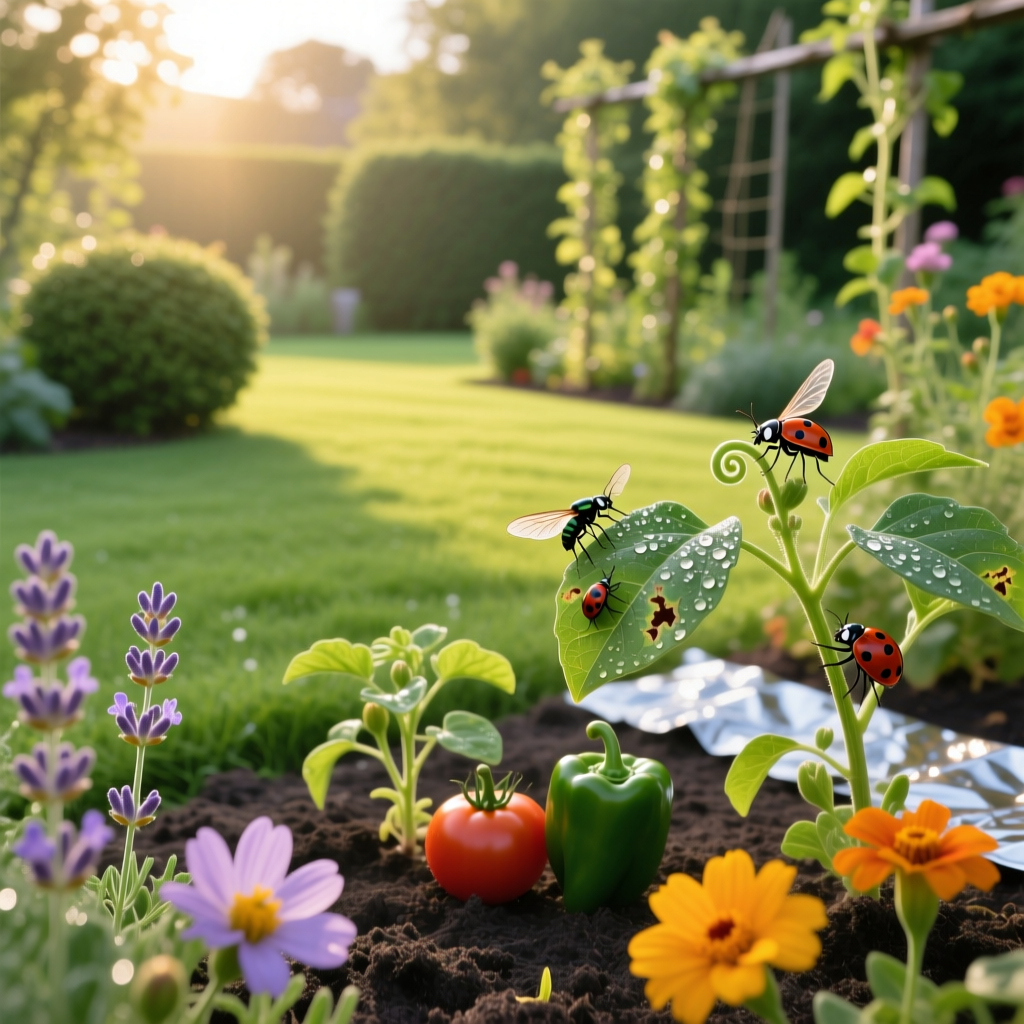
Control Thrips on Ornamental Flowers & Vegetables Naturally
Emily WatsonPublished
Thrips are among the most frustrating and destructive pests a gardener can encounter. These tiny, slender insects — often no larger than a grain of rice — can wreak havoc on both ornamental flowers and vegetable crops, leaving behind silvery streaks, deformed blooms, and stunted growth. If you have noticed your prized roses looking ragged, your tomatoes developing pale patches, or your beautiful gladiolus buds failing to open properly, thrips may be the culprit.
Fortunately, you do not need harsh synthetic chemicals to bring a thrip infestation under control. There are numerous natural, effective strategies that home gardeners can use to manage these pests while keeping their gardens safe for beneficial insects, pets, and family members. This comprehensive guide walks you through everything you need to know about identifying thrips, preventing infestations, and deploying natural control methods that actually work.
Whether you are tending a small backyard vegetable patch or a sprawling ornamental garden, understanding thrips behavior and biology is your first line of defense. Let us dive into the details so you can protect your plants and enjoy a thriving, beautiful garden season after season.
Identifying Thrips: What to Look For on Your Flowers & Vegetables
Before you can control thrips, you need to confirm they are the pest causing damage. Thrips belong to the order Thysanoptera, and there are thousands of species worldwide. The most common garden offenders include western flower thrips, onion thrips, and tobacco thrips. Despite their diversity, most thrips share similar characteristics and cause recognizable damage patterns.
Physical Appearance of Thrips
Adult thrips are extremely small, typically measuring between 1/25 and 1/8 of an inch long. They have elongated, slender bodies that range in color from pale yellow to dark brown or black, depending on the species and life stage. Many adult thrips have narrow, fringed wings that they hold flat over their backs when at rest. Because of their tiny size, thrips are difficult to spot with the naked eye. A simple trick is to hold a white sheet of paper beneath a suspected plant and tap the foliage gently — if thrips are present, you will see tiny, fast-moving specks scurrying across the paper.
Damage Symptoms on Ornamental Flowers
Thrips feed by piercing plant cells and sucking out the contents, which creates distinctive damage patterns. On ornamental flowers such as roses, gladiolus, dahlias, chrysanthemums, and petunias, look for the following signs:
- Silvery or whitish streaks on petals and leaves, caused by empty plant cells reflecting light
- Deformed or distorted buds that fail to open properly or open with damaged petals
- Brown edges or tips on flower petals, particularly on lighter-colored blooms
- Black specks of frass (thrip excrement) on leaves and flowers
- Leaf curling or rolling, where thrips hide and feed in protected spaces
Damage Symptoms on Vegetables
Vegetable crops are equally vulnerable to thrip damage. Commonly affected vegetables include tomatoes, peppers, onions, beans, cucumbers, and squash. Symptoms on vegetables include:
- Pale, silvery patches on leaves that may eventually turn brown and die back
- Distorted new growth and curled leaves, especially on peppers and tomatoes
- Scarring on fruit surfaces, which can reduce marketability and invite secondary infections
- Stunted plant growth resulting from sustained feeding pressure over time
One particularly serious concern is that certain thrip species can transmit plant viruses, including tomato spotted wilt virus (TSWV) and impatiens necrotic spot virus (INSV). These viral diseases can devastate entire crops and have no cure once a plant is infected, making thrip prevention and control even more critical. If you are also managing broader garden health, our complete lawn care guide offers tips on maintaining healthy growing conditions that help all your plants resist pest pressure.
Preventing Thrip Infestations Before They Start
The best pest control strategy is always prevention. Thrips are opportunistic pests that exploit stressed, vulnerable plants and spread easily through gardens. By implementing a few proactive measures, you can dramatically reduce the likelihood of a serious infestation taking hold.
Maintain Plant Health Through Proper Care
Healthy plants are naturally more resistant to pest attacks. Ensure your ornamental flowers and vegetables receive adequate water, appropriate sunlight, and balanced nutrition. Over-fertilizing, particularly with high-nitrogen fertilizers, can actually make plants more attractive to thrips by promoting lush, tender new growth that these pests love to feed on. Use slow-release, balanced fertilizers and follow recommended application rates. For tips on maintaining soil health that supports vigorous plant growth, check out our soil testing and amendments guide.
Practice Good Garden Sanitation
Thrips overwinter in plant debris, fallen leaves, and spent flower material. At the end of each growing season, remove and dispose of all dead plant matter from your garden beds. During the growing season, promptly remove spent blooms (deadheading) and any heavily infested plant parts. Do not compost thrip-infested material unless your compost pile reaches temperatures high enough to kill the pests — otherwise, you risk reintroducing them to your garden.
Inspect New Plants Before Introducing Them
One of the most common ways thrips enter a garden is on newly purchased plants from nurseries or garden centers. Before bringing any new plant home, inspect it thoroughly — check the undersides of leaves, inside buds, and along stems for signs of thrips or thrip damage. Consider quarantining new plants in a separate area for one to two weeks to monitor for any pest activity before placing them among your established garden plants.
Use Reflective Mulches
Research has shown that reflective mulches, such as silver or aluminum-colored plastic mulch, can significantly reduce thrip populations on vegetable crops. The reflected light disorients thrips and makes it difficult for them to locate host plants. This method is especially effective early in the growing season when plants are young and most vulnerable. Reflective mulch also helps conserve soil moisture and suppress weeds, providing multiple benefits for your garden.
Encourage Beneficial Insects
A diverse garden ecosystem is one of the best natural defenses against thrips. Many beneficial insects prey on thrips at various life stages. Minute pirate bugs (Orius species), lacewings, predatory mites, and certain ladybug species are all known thrip predators. Plant a variety of flowering herbs and native plants to attract and sustain these helpful allies. Plants like yarrow, dill, fennel, sweet alyssum, and cosmos are particularly effective at drawing beneficial insects into your garden. A healthy, biodiverse garden is a cornerstone of any natural pest control strategy.
Natural & DIY Solutions for Controlling Thrips
When prevention alone is not enough and thrips have established a foothold in your garden, it is time to deploy targeted natural control methods. The following strategies range from simple home remedies to commercially available organic products, and they can be used individually or in combination for maximum effectiveness.
Water Spray and Physical Removal
For light infestations, a strong blast of water from a garden hose can dislodge thrips from plant surfaces. Direct the spray at the undersides of leaves and inside flower buds where thrips tend to congregate. This method will not eliminate a severe infestation, but it can reduce populations enough to buy time for other control methods to take effect. For indoor ornamental plants, wiping leaves with a damp cloth or using a handheld shower attachment works well.
Pruning and removing heavily infested plant parts is another straightforward physical control measure. Seal removed material in a plastic bag and dispose of it in the trash rather than the compost bin to prevent reinfestation.
Neem Oil Applications
Neem oil is one of the most effective natural insecticides for thrip control. Derived from the seeds of the neem tree (Azadirachta indica), neem oil works in multiple ways: it disrupts the feeding behavior of thrips, interferes with their hormonal systems to prevent reproduction, and acts as a repellent. To use neem oil effectively:
- Mix pure, cold-pressed neem oil with water according to label directions, typically one to two tablespoons per gallon of water
- Add a few drops of mild liquid soap as an emulsifier to help the oil mix with water
- Spray thoroughly on all plant surfaces, paying special attention to leaf undersides and bud areas
- Apply in the early morning or late evening to avoid leaf burn from direct sunlight
- Repeat applications every seven to fourteen days until the infestation is under control
Neem oil is safe for most plants, but it is wise to test a small area first, especially on delicate flowers and young seedlings. Avoid applying neem oil when temperatures exceed 90 degrees Fahrenheit, as the combination of oil and heat can stress plants.
Insecticidal Soaps
Insecticidal soaps are potassium salts of fatty acids that work on contact to penetrate the outer shell of soft-bodied insects like thrips, causing dehydration and death. These products are widely available at garden centers and are considered safe for organic gardening when used as directed.
For best results, spray insecticidal soap directly on thrips, ensuring thorough coverage of all plant surfaces where the pests are hiding. Because soap only kills on contact and has no residual effect, you will need to repeat applications every five to seven days to catch newly hatched nymphs. You can also make a simple homemade version by mixing one to two tablespoons of pure castile soap (not dish detergent) per quart of water.
Spinosad-Based Products
Spinosad is a naturally derived insecticide produced by a soil-dwelling bacterium called Saccharopolyspora spinosa. It is approved for use in organic gardening and is highly effective against thrips. Spinosad works by affecting the nervous system of insects that ingest or come into contact with it, causing paralysis and death within one to two days.
Spinosad products are available as sprays and can be applied to both ornamental flowers and vegetables. One important consideration is that spinosad can be toxic to bees when wet, so apply it in the evening when bees are less active. Once the spray has dried, it poses minimal risk to pollinators. Follow label instructions carefully and rotate spinosad with other control methods to prevent thrips from developing resistance.
Diatomaceous Earth
Food-grade diatomaceous earth (DE) is a fine powder made from the fossilized remains of microscopic aquatic organisms called diatoms. When thrips and other crawling insects come into contact with DE, the sharp, abrasive particles damage their exoskeletons, leading to dehydration and death. Apply a thin layer of diatomaceous earth around the base of affected plants and on the soil surface to target thrips that drop to the ground to pupate.
Keep in mind that DE loses its effectiveness when wet, so you will need to reapply after rain or irrigation. Use a dust mask when applying DE to avoid inhaling the fine particles, and choose food-grade DE rather than the pool-grade variety, which is chemically treated and unsafe for garden use.
Homemade Garlic and Pepper Spray
A homemade repellent spray made from garlic and hot peppers can help deter thrips from feeding on your plants. The strong sulfur compounds in garlic and the capsaicin in hot peppers create an environment that thrips find unappealing. To make this spray:
- Blend two to three cloves of garlic and two to three hot peppers (such as habanero or cayenne) with two cups of water
- Let the mixture steep overnight, then strain it through cheesecloth or a fine mesh strainer
- Dilute the strained liquid with an additional two cups of water and add a few drops of liquid soap
- Spray on affected plants, reapplying every few days and after rain
This spray acts primarily as a repellent rather than a direct insecticide, so it works best as part of a broader integrated approach. If you are also dealing with other garden pests, our aphid control guide and whitefly management tips offer additional natural strategies you can adapt.
Blue and Yellow Sticky Traps
Thrips are attracted to specific colors, particularly blue and, to a lesser extent, yellow. Hanging sticky traps near affected plants serves a dual purpose: monitoring thrip population levels and reducing adult numbers through trapping. Blue sticky traps are generally more effective for thrips specifically, while yellow traps catch a broader range of flying insects.
Place traps at or just above the plant canopy level and check them weekly. A sudden increase in trapped thrips can signal a growing population that needs more aggressive intervention. While sticky traps alone will not eliminate an infestation, they are a valuable tool when combined with other control methods.
Beneficial Nematodes
Beneficial nematodes, specifically Steinernema feltiae, are microscopic roundworms that attack thrips during their pupal stage in the soil. These nematodes are applied as a soil drench and actively seek out thrip pupae, entering their bodies and releasing bacteria that kill them within a few days. Nematodes are completely safe for plants, humans, pets, and beneficial insects.
Apply nematodes to moist soil in the early morning or evening when temperatures are between 55 and 85 degrees Fahrenheit. Keep the soil consistently moist for at least a week after application to allow the nematodes to move through the soil and find their targets. This method is especially useful for breaking the thrip life cycle by targeting the stage that is most difficult to reach with foliar sprays.
When to Call a Professional for Thrip Control
While natural methods are highly effective for most home garden situations, there are circumstances where professional intervention may be warranted. Understanding when to escalate your thrip management approach can save you time, money, and heartache over lost plants.
Signs You Need Professional Help
Consider reaching out to a licensed pest control professional or your local cooperative extension office if you experience any of the following:
- Persistent infestations that do not respond to multiple rounds of natural treatment over several weeks
- Widespread viral symptoms such as tomato spotted wilt virus, which indicates thrips have been transmitting disease through your garden
- Large-scale commercial crops where thrip damage threatens significant economic loss
- Greenhouse infestations that are notoriously difficult to manage without specialized equipment and products
- Recurring annual problems that suggest an underlying issue with garden design, plant selection, or regional thrip pressure
What Professionals Can Offer
Professional pest management services have access to a wider range of treatment options, including biological controls that may not be readily available to home gardeners, such as commercially reared predatory mites (Amblyseius cucumeris and Amblyseius swirskii) and parasitic wasps. They can also provide accurate species identification, which is important because different thrip species may respond differently to various control methods.
A professional can also help you develop a long-term integrated pest management (IPM) plan tailored to your specific garden conditions, climate, and plant palette. This proactive approach addresses not just the current infestation but also the conditions that allowed it to develop in the first place. For a broader look at how IPM principles apply to garden and lawn care, visit our integrated pest management basics page.
Combining Professional and DIY Efforts
In many cases, the most effective approach combines professional guidance with consistent at-home maintenance. A professional might perform an initial assessment and treatment, then provide you with a monitoring and maintenance plan that you can carry out on your own. This hybrid approach gives you the benefit of expert knowledge while keeping ongoing costs manageable and minimizing chemical use in your garden.
Frequently Asked Questions About Natural Thrip Control
What is the fastest natural way to get rid of thrips?
The fastest natural approach combines several methods simultaneously. Start by pruning away the most heavily infested plant parts and disposing of them in sealed bags. Then apply a thorough spray of insecticidal soap or neem oil, making sure to coat the undersides of all leaves and the interiors of flower buds. Follow up with blue sticky traps to capture adult thrips and apply beneficial nematodes to the soil to target pupating thrips. This multi-pronged attack addresses thrips at every stage of their life cycle and can produce noticeable results within a few days to a week.
Will thrips go away on their own if I ignore them?
No, thrips will not go away on their own. In fact, ignoring a thrip infestation almost guarantees it will get worse. Thrips reproduce rapidly — a single female can lay up to 300 eggs in her lifetime, and the life cycle from egg to adult can be as short as two weeks in warm weather. Without intervention, populations can explode quickly, causing severe damage to your ornamental flowers and vegetables. Additionally, because certain thrip species transmit devastating plant viruses, early action is essential to protect the long-term health of your garden.
Can thrips harm humans or pets?
Thrips are not considered a direct health threat to humans or pets. They do not transmit diseases to people or animals, and they do not sting or bite in any meaningful way. Occasionally, thrips may land on human skin and attempt to probe with their mouthparts, which can cause a mild, temporary prickling sensation or slight irritation, but this is harmless. The primary concern with thrips is the damage they cause to plants and their ability to transmit plant viruses. That said, when applying any pest control product — even natural ones like neem oil or diatomaceous earth — always follow safety instructions and keep treated areas clear until sprays have dried.
Do thrips live in the soil?
Yes, soil plays an important role in the thrip life cycle. While adult thrips and nymphs feed on plant surfaces, mature nymphs drop to the soil to pupate. During this pupal stage, which lasts anywhere from a few days to several weeks depending on temperature and species, thrips are hidden in the top layer of soil or in leaf litter. This is why soil-targeted treatments like beneficial nematodes and diatomaceous earth are such valuable components of a comprehensive thrip control strategy. Addressing only the above-ground stages of the life cycle without targeting soil-dwelling pupae often leads to recurring infestations.
What plants are most resistant to thrips?
While no plant is completely immune to thrips, some species and varieties show greater resistance or tolerance. Among ornamentals, plants with thick, waxy leaves or strong aromatic foliage tend to be less attractive to thrips. Examples include lavender, marigolds, geraniums, and ageratum. Among vegetables, certain cultivars have been bred for thrip resistance or tolerance — for example, some onion varieties with more open growth habits and darker green foliage sustain less damage. When selecting plants for your garden, consult with local nurseries or your cooperative extension service about thrip-resistant varieties that perform well in your specific region. Pairing resistant varieties with the natural control methods described in this guide gives you the strongest possible defense. For more advice on building a resilient, healthy garden ecosystem, explore our organic gardening tips and related resources.
Controlling thrips naturally on your ornamental flowers and vegetables is entirely achievable with the right knowledge and a consistent, integrated approach. By combining vigilant monitoring, good cultural practices, and targeted natural treatments, you can keep these tiny pests in check and enjoy a beautiful, productive garden without resorting to harsh chemicals. Start with prevention, act quickly when you spot the first signs of damage, and do not hesitate to layer multiple strategies for the best results. Your plants — and the beneficial insects that share your garden — will thank you.