
Pest Control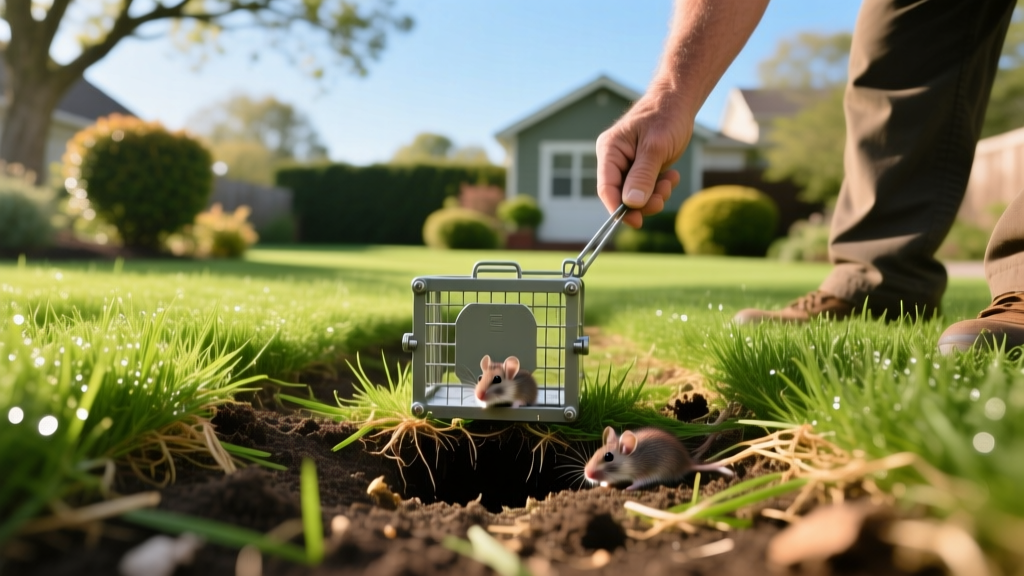
Controlling Voles: Proven Trapping and Baiting Tactics for Lawns
Voles (Microtus spp.) cause more structural damage to residential turf and ornamental root systems than almost any other small mammal in North America. Unlike moles, which eat insects and primarily disrupt soil structure, meadow voles (Microtus pennsylvanicus) and pine voles (Microtus pinetorum) are strict herbivores. They consume grass blades, sever turf roots, and fatally girdle the cambium layer of young trees and shrubs. Replacing a mature, girdled Japanese maple can cost $300 to $800, making proactive and aggressive vole management a financial necessity for homeowners.
Successfully controlling voles requires abandoning ineffective ultrasonic gadgets and focusing on integrated pest management (IPM): habitat modification, precise snap-trapping, and targeted rodenticide application.
Distinguishing Vole Damage from Moles and Gophers
Before deploying lethal controls, you must confirm the target species. Applying mole traps to a vole runway wastes time and money. The Internet Center for Wildlife Damage Management outlines distinct behavioral and physical markers for each burrowing mammal.
| Feature | Meadow Voles | Moles | Pocket Gophers |
|---|---|---|---|
| Surface Evidence | 1.5 to 2-inch wide surface runways clipped through grass; no soil mounding. | Raised, volcano-shaped soil mounds; raised surface ridges from tunneling. | Fan-shaped or crescent soil mounds with plugged entrance holes. |
| Diet | Herbivore (grass, roots, bark, bulbs). | Insectivore (grubs, earthworms). | Herbivore (roots, tubers, buried plants). |
| Dropping Appearance | Small, greenish-brown, rice-shaped pellets left in runways. | Rarely found above ground; cylindrical and dark. | Found inside deep tunnel systems; fibrous. |
| Winter Activity | Highly active under snow cover; damage often discovered at spring thaw. | Active year-round, digging deeper in winter. | Active year-round, plugs tunnel entrances in cold weather. |
Habitat Modification: Starving and Exposing the Colony
Voles require dense ground cover to protect themselves from aerial predators like hawks and owls. Modifying the micro-habitat is the most critical long-term step in controlling voles. According to the University of Nebraska-Lincoln Extension, reducing vegetative cover forces voles to forage in the open, drastically increasing their mortality rate from natural predation.
Turf and Mulch Management Rules
- Mowing Height: Maintain cool-season turfgrasses (Kentucky bluegrass, tall fescue) at a maximum height of 2.5 to 3 inches. Lawns mowed at 4+ inches provide ideal vole canopy.
- Mulch Clearance: Pull all wood chip and bark mulch at least 3 feet away from the base of young trees and ornamental shrubs. Pine voles will tunnel under mulch and girdle the root collar unseen.
- Weed Control: Eradicate dense, low-growing groundcovers like creeping charlie or wintercreeper near ornamental beds, as these act as primary vole highways.
Lethal Trapping: The Victor M099 Protocol
For localized infestations (fewer than 10 active runways), snap traps are the most cost-effective and environmentally safe method. The standard wooden Victor Easy Set Mouse Trap (Model M099), priced at roughly $3.50 per unit, is perfectly sized for meadow voles. Live traps (Havahart) are largely ineffective because voles suffer extreme capture myopathy and die in the trap, or they breed rapidly upon release.
Pro-Trapping Technique: Never place traps parallel to the runway. Position the Victor M099 perpendicular to the vole runway so the trigger pedal sits directly inside the 2-inch path. Voles travel with their heads down and will trip the pedal with their snout or front paws.
Step-by-Step Trap Deployment
- Identify Active Runways: Look for fresh, green grass clippings and recent droppings. Flatten a small section of the runway; if it is rebuilt within 24 hours, it is highly active.
- Baiting: Tie a 1/2-inch cube of apple or a peanut butter-oat mixture to the trigger pedal using dental floss. Voles prefer sweet, high-moisture foods over standard rodent baits when trapping.
- Placement: Set 3 to 5 traps per active runway segment, spaced 10 feet apart.
- Non-Target Protection: Cover each trap with a 6-inch diameter PVC pipe section or a weighted plastic shoebox with a 2-inch entry hole cut into the side. This prevents birds, pets, and squirrels from triggering the mechanism.
- Checking: Check traps daily. Reset tripped traps and relocate units that haven't caught a vole within 48 hours.
Rodenticide Baits: Active Ingredients and Non-Target Risks
When trapping is impractical due to large colony sizes or extensive agricultural-adjacent properties, rodenticides become necessary. The U.S. Environmental Protection Agency strictly regulates these chemicals due to secondary poisoning risks. Always use tamper-resistant bait stations (e.g., Protecta EVO Express) anchored to the ground.
| Active Ingredient | Feed Type | Time to Death | Secondary Poisoning Risk | Average Cost (per lb) |
|---|---|---|---|---|
| Chlorophacinone (e.g., Rozol, Ramik) | Multiple-feed (requires 2-5 days of feeding) | 3 to 7 days | Moderate (lower risk to birds of prey) | $25 - $35 |
| Diphacinone (e.g., Ditrac) | Multiple-feed | 4 to 8 days | Moderate | $30 - $40 |
| Zinc Phosphide (e.g., ZP Tracking Powder) | Single-feed (acute toxicant) | 12 to 24 hours | Very Low (degrades rapidly in stomach) | $45 - $60 |
| Brodifacoum (e.g., Final Blox) | Single-feed (Second-generation anticoagulant) | 3 to 5 days | Very High (highly restricted for residential outdoor use) | $40 - $55 |
Warning on Second-Generation Anticoagulants: The EPA has severely restricted the sale of brodifacoum and bromadiolone products for general consumer use due to the high risk of fatal secondary poisoning in owls, hawks, and domestic cats. Stick to first-generation anticoagulants (Chlorophacinone) or acute toxicants (Zinc Phosphide) for residential vole control.
The Truth About Commercial Repellents
The pest control market is saturated with vole repellents that offer a false sense of security. Understanding why they fail saves homeowners hundreds of dollars annually.
- Castor Oil Sprays: Products like MoleMax or castor oil granules claim to make soil unpalatable. While they may temporarily disrupt tunneling, rain and irrigation wash the oil away within 7 to 10 days. Voles quickly habituate to the smell and resume feeding.
- Ultrasonic Spikes: Battery or solar-powered sonic stakes emit high-frequency vibrations. Peer-reviewed studies consistently show that burrowing rodents habituate to constant acoustic frequencies within 48 hours. They are entirely ineffective for controlling voles.
- Predator Urine (Coyote/Fox): While theoretically sound, synthetic predator urine degrades rapidly under UV light and washes away with dew. It does not provide a reliable perimeter barrier.
Seasonal Management Calendar
Vole populations peak in late autumn as they prepare for winter breeding under the snowpack. Timing your interventions is critical for long-term lawn preservation.
- Early Spring (March - April): Assess winter damage. Rake dead grass from surface runways to expose surviving voles to predators. Apply turf fertilizer to stimulate rapid root recovery in damaged patches.
- Summer (June - August): Focus entirely on habitat modification. Maintain strict mowing heights and enforce the 3-foot mulch clearance rule around all ornamentals.
- Late Autumn (October - November): This is the critical window for lethal control. Deploy snap traps and bait stations heavily before the first snowfall. Reducing the breeding population in November prevents exponential colony growth during the winter months when voles are protected under snow cover.
By combining rigorous habitat modification with targeted, scientifically backed trapping and baiting protocols, you can effectively suppress vole populations and protect your landscape investment from severe root and cambium destruction.

