
Pest Control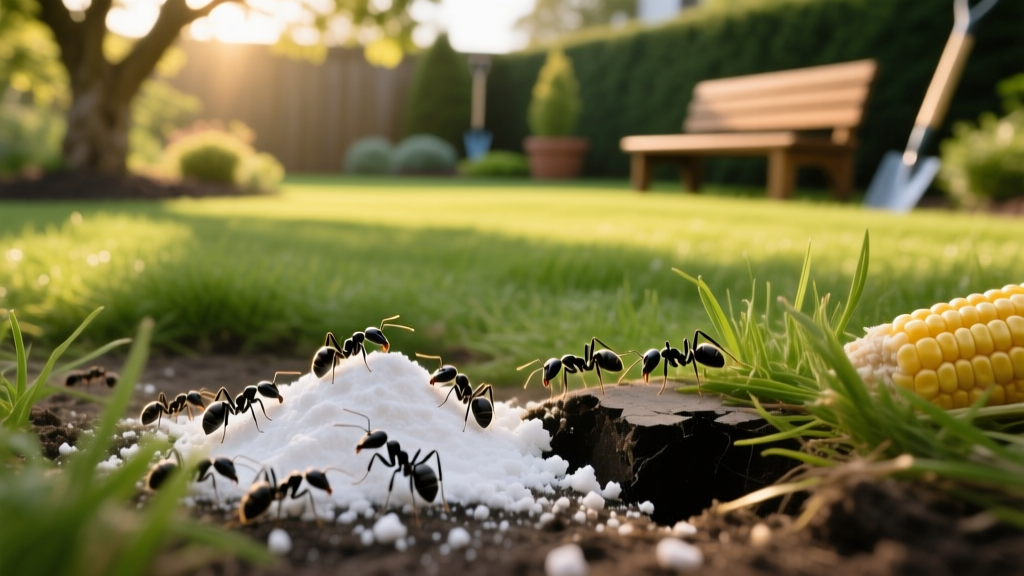
Does Cornstarch Kill Ants? Myths, Facts, and Real Fixes
The Short Answer: Cornstarch Does Not Kill Ants
If you have seen viral social media posts claiming that sprinkling cornstarch will cause ants to explode, you have encountered a pervasive pest control myth. Cornstarch alone is entirely non-lethal to ants. In fact, many ant species will readily consume it as a carbohydrate source. While cornstarch can play a supporting role in a broader pest management strategy by masking pheromone trails or acting as a carrier for actual toxins, applying it by itself will not reduce your ant population or eliminate a colony.
The "Swelling Stomach" Myth vs. Ant Biology
The myth suggests that when ants eat cornstarch and subsequently drink water, the starch expands inside their bodies, causing them to rupture. This fundamentally misunderstands insect digestive biology.
How Ants Digest Starches
Ants possess a specialized two-part digestive system consisting of a crop (social stomach) and a midgut. When a foraging ant consumes cornstarch, enzymes such as amylase begin breaking down the complex starch molecules into simple, digestible sugars before the food ever reaches the midgut. Because the starch is chemically dismantled into glucose, it never absorbs water and swells inside the insect. According to the University of California Integrated Pest Management program, ants are highly efficient at processing complex carbohydrates, meaning cornstarch simply becomes another food source to sustain the colony.
What Cornstarch Actually Does to Ant Trails
While it will not kill them, cornstarch is not entirely useless. It possesses high moisture-absorbing properties that can temporarily disrupt ant foraging behavior.
- Pheromone Masking: Ants navigate using chemical trails composed of cuticular hydrocarbons. A thick layer of cornstarch can physically absorb the moisture and oils required for these pheromones to bind to surfaces, effectively blinding the trail.
- Moisture Deprivation: Ants require high-humidity environments to survive. Dusting entry points with cornstarch creates a desiccated micro-barrier that some moisture-dependent species (like Argentine ants) prefer to avoid.
However, foraging scouts will simply map a new route around the cornstarch barrier within 12 to 24 hours, making this a temporary inconvenience rather than a solution.
Cornstarch vs. Proven Ant Control Methods
To effectively manage an infestation, you must use methods that either disrupt the exoskeleton, poison the colony via trophallaxis (food sharing), or act as a biological insect growth regulator. Here is how cornstarch compares to proven alternatives.
| Method | Active Mechanism | Lethality to Colony | Average Cost | Time to Results |
|---|---|---|---|---|
| Cornstarch (Solo) | Trail masking / Moisture absorption | None (0%) | $3 - $5 | N/A |
| Diatomaceous Earth (Food Grade) | Exoskeleton laceration / Desiccation | Low (Only kills foragers) | $10 - $15 | 24 - 48 hours |
| Boric Acid + Sugar Bait | Stomach poison via trophallaxis | High (Eradicates colony) | $8 - $12 | 7 - 14 days |
| Indoxacarb Gel (Advion) | Delayed neurotoxin via trophallaxis | Very High (Total eradication) | $30 - $35 | 3 - 7 days |
The Right Way to Use Cornstarch: DIY Bait Carrier
The only scientifically valid way to use cornstarch in ant control is as a structural carrier and moisture-retainer for a slow-acting stomach poison like Borax (sodium tetraborate). The cornstarch helps form a paste that prevents the bait from drying out too quickly in hot weather, ensuring foragers have time to carry it back to the queen.
DIY Borax-Cornstarch Paste Recipe
- Mix Dry Ingredients: Combine 1/2 cup of cornstarch, 1/2 cup of powdered sugar (the primary attractant), and 1 tablespoon of 20 Mule Team Borax in a small bowl.
- Add Liquid: Gradually stir in 2 to 3 tablespoons of warm water until the mixture forms a thick, toothpaste-like consistency.
- Deploy: Place dollops of the paste on small pieces of cardboard or inside reusable plastic bait stations along active foraging trails.
- Wait: Do not kill the ants you see eating the bait. They must survive long enough to regurgitate the poisoned crop contents to the larvae and queen back at the nest.
⚠️ Pet and Child Safety Warning: While Borax is relatively low in toxicity to mammals, it can cause gastrointestinal distress if ingested in large quantities. Always place DIY baits inside tamper-resistant bait stations or in areas completely inaccessible to pets and small children. The Environmental Protection Agency (EPA) advises strict adherence to label directions when handling any borate-based pest control products.
When DIY Fails: Commercial Baits That Eradicate Colonies
If your DIY cornstarch-borax mixture dries out, molds, or fails to attract the target species, commercial formulations offer stabilized active ingredients with optimized attractant profiles.
1. Terro T300B Liquid Ant Baits (Borax-Based)
Retailing for roughly $6 to $8 for a 12-station pack, Terro utilizes a 5.4% sodium tetraborate (borax) solution suspended in a sweet liquid syrup. The liquid format eliminates the need for a cornstarch carrier, ensuring the bait remains highly palatable and easily transportable by foragers. It is exceptionally effective against sugar-feeding species like odorous house ants and Argentine ants.
2. Syngenta Advion Ant Gel (Indoxacarb)
Priced around $32 for a 4-tube pack, Advion uses 0.05% Indoxacarb. This active ingredient requires metabolic activation by the ant's enzymes to become toxic, which creates a delayed-action effect. This delay is crucial for deep colony penetration, as it prevents foragers from dying before they reach the nest. Advion is the industry standard for stubborn grease-feeding and protein-feeding ants that ignore sweet cornstarch-sugar baits.
Species Identification: Why Your Bait Might Be Ignored
A common reason homeowners believe cornstarch or sugar baits "do not work" is a mismatch between the bait profile and the ant species' current nutritional needs.
- Sugar Ants (Odorous House, Argentine, Pavement): Highly attracted to the cornstarch/sugar/borax mix. They rely heavily on carbohydrates to fuel massive foraging networks.
- Grease/Protein Ants (Pharaoh, Thief Ants): Will ignore sweet cornstarch baits entirely. These species require lipid or protein-based baits (like peanut butter mixed with boric acid) to sustain their brood.
- Carpenter Ants: While they may take sweet baits, their primary colonies are often deep within structural wood. Standard DIY baits rarely deliver enough active ingredient to eliminate the massive biomass of a mature carpenter ant colony; professional perimeter treatments with non-repellent termiticides (like Fipronil or Imidacloprid) are usually required.
Frequently Asked Questions
Will cornstarch kill ants if mixed with baking soda?
No. The internet myth claiming that baking soda reacts with ant stomach acid to produce lethal gas is false. Ant stomach acid is highly concentrated, and the volume of gas produced by a microscopic amount of baking soda is insufficient to cause internal rupture. Furthermore, ants possess the biological intelligence to avoid consuming plain baking soda mixtures due to the alkaline taste.
Can I use cornstarch to keep ants out of my garden beds?
Sprinkling cornstarch around garden beds will not deter ants and may actually attract them if the soil is moist, as it provides a carbohydrate food source. To protect garden beds, use a physical barrier of food-grade diatomaceous earth (reapplied after rain) or apply a botanical insecticide like spinosad around the perimeter.
How long does it take for a borax-cornstarch bait to work?
Expect to see a significant reduction in foraging activity within 48 to 72 hours, but total colony collapse typically takes 7 to 14 days. The delayed mortality is a feature, not a bug, ensuring the poison reaches the reproductive queen.

