
Pest Control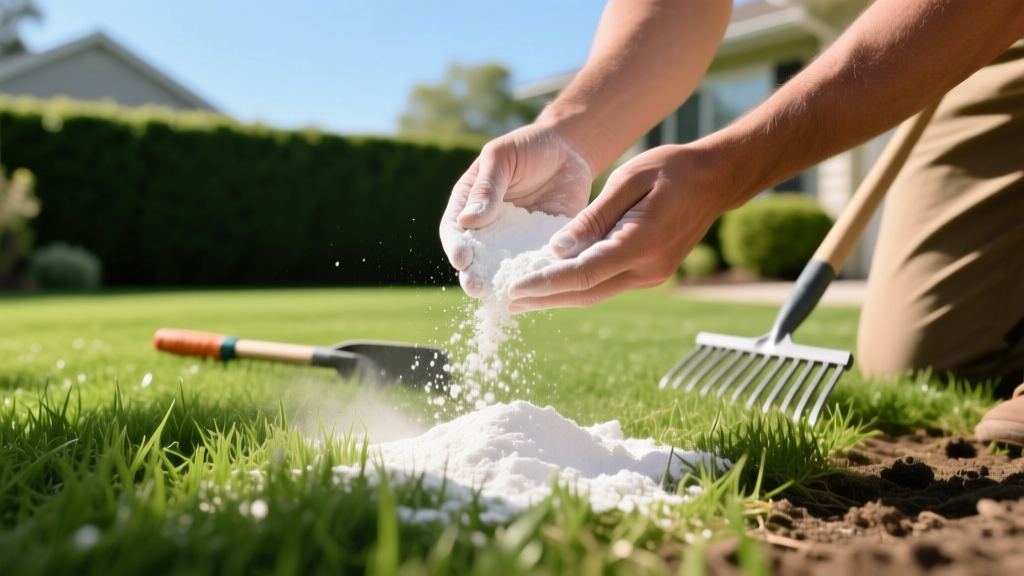
Damascus Earth Fleas Treatment: Diatomaceous Earth Yard Guide
When homeowners search for damascus earth fleas remedies, they are almost always encountering a common linguistic mix-up. "Damascus" refers to the historic city famous for patterned steel forging, not pest control. The correct term for the powdery, fossilized algae used to eradicate yard pests is diatomaceous earth (DE). Despite the misnomer, the intent behind the search is spot-on: DE remains one of the most effective, non-toxic, and pet-safe mechanical insecticides available for outdoor flea and rodent defense.
This guide cuts through the terminology confusion and provides a rigorous, expert-level protocol for deploying diatomaceous earth in your yard. We will cover the physiological mechanics of desiccation, precise application rates for 2026, environmental limitations, and an advanced synergistic trick for protecting rodent bait stations from insect theft.
The Mechanics of Desiccation: How DE Eradicates Fleas
Diatomaceous earth is not a chemical poison; it is a mechanical abrasive and a highly porous desiccant. Composed of the fossilized remains of diatoms (single-celled aquatic algae), DE consists of microscopic silica shards with sharp, jagged edges. When fleas, ticks, or ants crawl across treated soil, these shards score the waxy lipid layer of the insect's exoskeleton.
Once the lipid barrier is compromised, the highly absorbent silica pulls the moisture and lipids directly out of the insect's body. According to the Environmental Protection Agency (EPA), this physical mode of action means insects cannot develop biological resistance to DE, making it a cornerstone of long-term integrated pest management (IPM).
⚠️ CRITICAL SAFETY WARNING: Food Grade vs. Filter Grade
Never use pool-grade or filter-grade DE in your yard. Filter-grade DE undergoes high-heat calcination, which transforms its amorphous silica into crystalline silica—a known respiratory hazard and carcinogen. Always purchase Food Grade Diatomaceous Earth, which contains less than 1% crystalline silica and is safe for use around mammals, birds, and outdoor pets.
Strategic Yard Application Protocol
Fleas do not thrive in open, sun-baked lawns. UV radiation and high surface temperatures naturally kill flea larvae. Therefore, broadcasting DE across your entire lawn is a waste of time and money. Effective treatment requires targeting specific microclimates where fleas hide, breed, and wait for a host.
Step 1: Microclimate Identification and Prep
Identify shaded, humid areas where your pets rest. Target zones under decks, inside dog houses, along shaded fence lines, and beneath dense shrubbery. Mow these areas down to 2 inches and remove thick layers of wet leaf litter, which can harbor flea pupae and block the DE from reaching the soil surface.
Step 2: Precision Dusting
Do not apply DE by hand or with a standard fertilizer spreader; the powder is too fine and will clump. Use a dedicated pest control duster.
- Small Zones (under 500 sq ft): Use a rubber bulb duster (e.g., JT Eaton 950) to puff a barely visible, translucent layer of dust into cracks, crevices, and the base of grass blades.
- Large Perimeters (500+ sq ft): Use a backpack duster like the Chapin 61900, which features a metal extension wand to reach deep under decks and into crawl spaces.
Step 3: The "Barely Visible" Rule
The most common mistake homeowners make is applying DE too heavily. If you can see a thick white layer of powder on the ground, you have applied too much. Insects will simply walk around a thick pile of dust. The powder must be applied so lightly that it looks like a faint frost on the soil and grass blades, forcing the fleas to walk through the individual silica particles.
2026 Pricing and Coverage Matrix
Supply chain stabilization has normalized the cost of amorphous silica products. Below is the current pricing matrix for food-grade DE and the necessary application tools.
| Product / Tool | Typical 2026 Cost | Coverage / Use Case |
|---|---|---|
| Food Grade DE (10 lb bag) | $12 - $18 | 1,000 sq ft (Targeted spots) |
| Food Grade DE (50 lb bag) | $35 - $45 | 5,000 sq ft (Full perimeter) |
| Rubber Bulb Duster | $8 - $12 | Cracks, crevices, dog houses |
| Backpack Duster (Chapin) | $55 - $75 | Under decks, large fence lines |
| N95 Respirator Mask | $2 - $5 (each) | Mandatory for user safety |
The Moisture Vulnerability and Weatherproofing
Diatomaceous earth has one critical Achilles' heel: moisture. Because its primary mechanism of action is absorption, DE becomes completely ineffective the moment it gets wet. Rain, heavy morning dew, or automated sprinkler systems will turn the powder into an inert paste.
According to the University of California Agriculture and Natural Resources (UC ANR) IPM guidelines, outdoor DE applications must be timed carefully. Apply the dust in the late afternoon after dew has evaporated, and ensure no rain is in the 48-hour forecast. Once DE dries out after a light dew, it can regain some efficacy, but heavy rain will wash it into the soil profile where it is useless against surface-dwelling fleas.
Expert Workaround: For areas that are constantly damp or subject to irrigation, DE is the wrong tool. Instead, deploy Steinernema carpocapsae (beneficial nematodes). These microscopic worms actively hunt and destroy flea larvae in moist soil, perfectly complementing DE's dry-soil requirements.
Synergistic Rodent Defense: The Bait Station Trick
While DE is an insecticide, not a rodenticide, it plays a vital, often-overlooked role in comprehensive yard rodent defense. Rodents like mice and rats are major vectors for fleas; a yard with a rodent problem will inevitably have a flea problem.
When deploying commercial rodent bait stations (like the Protecta RTU) around your property's perimeter, you face a secondary issue: ants, earwigs, and roaches often invade the stations, eating the expensive rodenticide bait and rendering it useless for the rats.
💡 Pro-Tip: The DE Bait Station Barrier
Pest control professionals use a specific trick to protect rodent bait. Before placing the bait block inside the station, lightly dust the exterior entrance ramps and the interior floor of the station with Food Grade DE. Rodents are largely unaffected by the dust (their thick fur and different grooming habits protect them), but the DE creates an impassable barrier for ants and insects. This ensures your rodenticide remains exclusively for the rodents, simultaneously breaking the flea-rodent transmission cycle.
Frequently Asked Questions
Is diatomaceous earth safe for dogs and cats in the yard?
Yes, Food Grade DE is non-toxic to mammals. Dogs and cats can safely walk on, roll in, and even ingest small amounts of food-grade DE without harm. However, because it is a fine dust, you should keep pets indoors during the actual application process to prevent them from inhaling the airborne particles, which can cause temporary respiratory irritation.
Do I need to wear a mask when applying DE outdoors?
Absolutely. Even though Food Grade DE contains very low levels of crystalline silica, inhaling any fine particulate matter (amorphous silica dust) can irritate the mucous membranes in your nose and lungs. Always wear a properly fitted N95 respirator and safety goggles while actively pumping the duster.
How often should I reapply DE to my yard?
In a dry climate, a single application can remain effective for several months. In humid climates or areas with frequent rain, you will need to reapply every 2 to 3 weeks, or immediately after a significant rainfall. Monitor your targeted microclimates; if the faint white dust is no longer visible on the soil surface, it is time for a reapplication.

