
Pest Control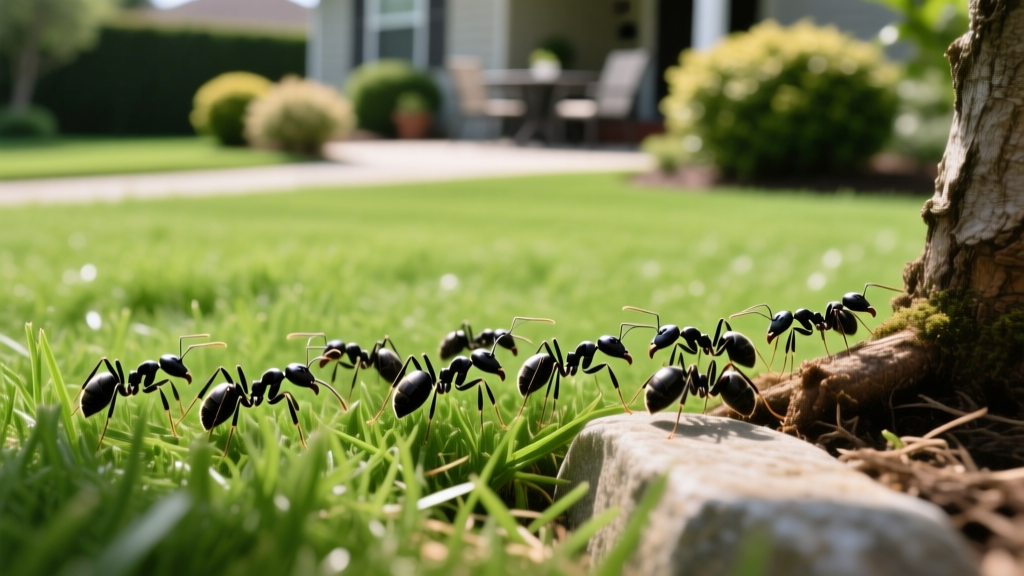
Hidden Dangers of Ants in Your Yard: Risks and Defense Tactics
The Hidden Dangers of Ants Beyond the Picnic Blanket
Most homeowners view ants as mere picnic-crashers or minor nuisance pests that occasionally invade the kitchen pantry. However, in the context of comprehensive yard defense, the dangers of ants extend far beyond ruined outdoor meals. Certain species compromise turfgrass root systems, farm destructive sap-sucking insects, and deliver venomous stings that pose severe medical risks to your family and pets.
⚠️ Medical Alert: According to the American College of Allergy, Asthma, and Immunology, fire ant venom causes severe anaphylactic reactions in approximately 1% to 2% of the population. If you or a family member experiences difficulty breathing or swelling after an ant sting, seek emergency medical care immediately.
Understanding the specific threats posed by different ant species is the first step in developing an effective, long-term landscape defense strategy. Below, we break down the primary risks and provide actionable, professional-grade protocols to reclaim your yard.
Species Threat Matrix: Which Ants Pose the Biggest Risk?
Not all ants are created equal. While some are largely benign, others are aggressive invaders capable of causing significant ecological and structural damage. Use this matrix to identify your primary threat level.
| Species | Primary Danger | Bite/Sting Profile | Turf & Landscape Impact |
|---|---|---|---|
| Red Imported Fire Ant (RIFA) | Severe medical risk, aggressive swarming | Painful sting, venomous pustules, high allergy risk | Large hard mounds smother grass, damage mower blades |
| Argentine Ants | Ecological disruption, massive supercolonies | Bite only, no venomous sting | Farms aphids and mealybugs, accelerating plant disease |
| Carpenter Ants | Structural damage to wooden features | Strong mandibles, can break skin, sprays formic acid | Hollows out rotting tree stumps, decks, and fence posts |
| Harvester Ants | Painful stings, seed depletion | Severe sting, prolonged pain, localized necrosis | Strips vegetation bare around mounds, causing soil erosion |
Structural and Ecological Damage to Your Landscape
Root System Disruption and Soil Desiccation
Ant mounds are not just unsightly bumps on your lawn; they are complex subterranean cities that fundamentally alter soil composition. As colonies expand, they excavate deep galleries that sever turfgrass roots, particularly in shallow-rooted species like Kentucky Bluegrass and Bermudagrass. Furthermore, the soil deposited on the surface of mounds dries out rapidly, creating hydrophobic zones that repel water and suffocate the underlying grass canopy. Over time, this leads to localized dead zones that are easily mistaken for fungal diseases or drought stress.
The Aphid-Farming Symbiosis
One of the most insidious dangers of ants in garden beds is their symbiotic relationship with sap-sucking pests. Species like the Argentine ant actively "farm" aphids, scale insects, and mealybugs. The ants protect these pests from natural predators like ladybugs and lacewings in exchange for honeydew—a sugary excretion that serves as a primary food source for the colony. If you are battling a persistent aphid infestation on your roses or citrus trees, treating the aphids without addressing the ant colony will result in rapid re-infestation.
Proactive Yard Defense: Building an Ant-Free Perimeter
Effective pest management relies on making your landscape inhospitable to colony establishment. Implement these physical and environmental modifications before reaching for chemical treatments.
- Execute the 18-Inch Vegetation Rule: Trim all tree branches, shrubs, and dense groundcover back at least 18 inches from your home's foundation and fence lines. Ants use physical bridges to bypass soil treatments and enter structures.
- Eliminate Moisture Magnets: Ants require consistent moisture to sustain large colonies. Repair leaking irrigation heads, extend downspouts at least 4 feet away from the foundation, and regrade soil to ensure a 5% slope away from your home.
- Remove Cellulose Debris: Clear away rotting firewood, buried lumber, and decaying tree stumps. Carpenter ants do not eat wood; they excavate it to build galleries. Removing damp, decaying wood eliminates their preferred nesting sites.
- Seal Foundation Micro-Fissures: Use a high-quality silicone polyurethane caulk to seal cracks wider than 1/16th of an inch along your concrete slab and brick mortar joints.
Targeted Treatment Protocols: Conventional vs. Organic
When cultural controls are insufficient, you must deploy targeted chemical interventions. The gold standard for managing aggressive species like RIFA is the Two-Step Method, widely endorsed by university extension programs.
Step 1: Broadcast Bait Application (Colony Eradication)
Instead of spraying visible mounds—which causes colonies to splinter and bud into multiple new satellite mounds—apply a slow-acting granular bait across the entire lawn. The worker ants carry the bait deep into the colony, eventually reaching and eliminating the queen.
- Recommended Product: Advion Fire Ant Bait (0.04% Indoxacarb).
- Cost: Approximately $28 to $32 per 1.5 lb bag.
- Application Rate: 1.5 lbs per acre (roughly 1 oz per 1,800 sq ft for residential lawns).
- Pro Tip: Apply bait in the late afternoon or early evening when foraging workers are most active. Ensure no rain is forecast for at least 24 hours.
Step 2: Individual Mound Drench (Knockdown)
For mounds located in high-traffic areas (near patios, mailboxes, or playgrounds), follow up 7 to 10 days after baiting with a liquid mound drench to eliminate remaining foragers immediately.
- Recommended Product: Talstar Pro (7.9% Bifenthrin) or Monterey Garden Insect Spray (Spinosad for an organic alternative).
- Cost: Talstar Pro (~$45/pint); Monterey Spinosad (~$25/16 oz).
- Mix Rate (Talstar): 1 oz per gallon of water.
- Application: Gently pour 1 to 2 gallons of the diluted solution directly over the mound using a watering can, avoiding high-pressure sprays that will cause the ants to evacuate.
When to Escalate to Professional Pest Control
While DIY treatments are highly effective for standard infestations, certain scenarios require the equipment and licensing of a professional exterminator. Consider hiring a licensed pro if you encounter the following conditions:
Professional Escalation Decision Tree
- Supercolony Formation: If you identify Argentine ant trails spanning multiple property lines or covering more than 1/4 acre, DIY baits will be depleted before reaching the core nests.
- Proximity to Water Sources: If mounds are located within 10 feet of a well head, koi pond, or natural waterway, restricted-use pesticides applied by certified technicians are required to prevent aquatic toxicity.
- Repeated Treatment Failure: If you have executed the Two-Step Method twice in a single season with less than a 50% reduction in mound activity, the colony may have developed behavioral resistance to your chosen bait matrix.
By understanding the true dangers of ants and implementing a strategic, science-backed defense plan, you can protect your family, preserve your landscape's structural integrity, and maintain a pristine, usable outdoor environment.
For more detailed information on identifying specific regional ant species, consult the University of Florida IFAS Featured Creatures database or your local county extension office.

