
Pest Control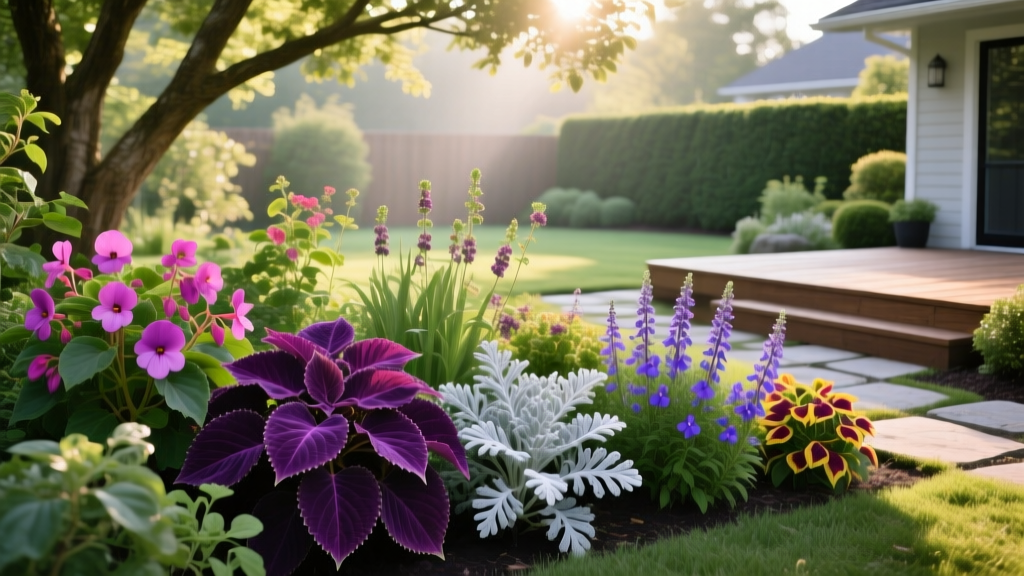
Best Deer Resistant Annuals for Shade: Mammal Deterrence Guide
The Science of Passive Mammal Deterrence via Plant Selection
Shade gardens, typically situated near tree lines or forest edges, are highly vulnerable to mammal browsing. White-tailed deer, eastern cottontails, and meadow voles use these transitional zones as natural corridors. While physical barriers and chemical repellents are reactive measures, selecting the right plant material serves as a proactive, passive form of Integrated Pest Management (IPM). According to Rutgers New Jersey Agricultural Experiment Station, deer resistance is not an absolute trait but a spectrum dictated by plant chemistry, physical leaf structures, and seasonal forage availability.
Deer possess a highly developed olfactory system and specialized taste receptors that detect secondary metabolites. Plants that synthesize high levels of alkaloids, terpenes, or calcium oxalate crystals trigger an immediate avoidance response. Furthermore, physical traits such as thick waxy cuticles, dense trichomes (leaf hairs), or milky sap act as mechanical deterrents. By prioritizing shade-tolerant annuals that possess these specific biochemical and structural defenses, homeowners can establish a landscape that naturally repels mammalian pests without relying on daily chemical applications.
Top Tier Deer Resistant Annuals for Shade: A Comparison Matrix
Not all shade is created equal, and mammal pressure varies by region. The following matrix details the most reliable deer resistant annuals for shade, categorized by their specific deterrence mechanisms and 2026 nursery pricing.
| Plant Species | Shade Tolerance | Primary Deterrence Mechanism | 2026 Avg. Cost (6-Pack / 1-Gal) |
|---|---|---|---|
| Caladium (Caladium bicolor) | Full to Part Shade | Calcium oxalate crystals (toxic/unpalatable) | $14.00 - $18.00 (1-Gallon) |
| Wax Begonia (Begonia semperflorens) | Part to Deep Shade | Thick waxy leaf cuticle; sour sap | $5.50 - $7.50 (6-Pack) |
| Fuchsia (Fuchsia hybrida) | Dappled / Deep Shade | Bitter tannins; pendant floral structure | $6.00 - $9.00 (4-inch pot) |
| Browallia (Browallia speciosa) | Full Shade | Nightshade family alkaloids | $5.00 - $6.50 (6-Pack) |
| Torenia (Torenia fournieri) | Part Shade | Musky foliage scent; low nutritional value | $5.50 - $7.00 (6-Pack) |
Pro-Tip for Caladiums: While Caladiums are technically tubers, they are cultivated as annuals in USDA Zones 3-8. Their high concentration of calcium oxalate causes immediate oral irritation in mammals, making them virtually immune to deer, rabbit, and vole browsing. Dig them up in autumn if you wish to overwinter them indoors.
Strategic Planting Layouts for Maximum Deterrence
Simply planting resistant species is insufficient if they are interspersed randomly with highly palatable hosts. Penn State Extension recommends utilizing a 'perimeter buffering' strategy to protect vulnerable plants within a mixed shade bed.
- The 24-Inch Buffer Zone: Plant your most aggressive deterrent species (like Caladiums and Browallia) along the outer 24 inches of the garden bed. This creates a physical and olfactory barrier that deer must navigate before reaching the interior.
- Scent Masking: Intercrop strongly scented annuals like shade-tolerant Coleus (specifically the pungent 'Plectranthus' varieties) near the edges. The volatile oils mask the scent of more desirable plants deeper in the bed.
- Density Planting: Space annuals 10-15% closer than standard nursery recommendations. A dense canopy leaves less physical room for deer to step into the bed and reduces the visibility of tender new growth.
Beyond Deer: Deterring Rabbits and Voles in the Shade
Shade gardens retain soil moisture longer, creating ideal microhabitats for lagomorphs (rabbits) and rodents (voles). While a 6-foot fence may stop deer, it will not stop a meadow vole tunneling through the root zone.
Sub-Surface Vole Deterrence
Voles feed on tender roots and tubers. If you are planting expensive shade annuals, line the bottom of the planting hole with 1/4-inch galvanized hardware cloth before backfilling with soil. This physical barrier prevents voles from accessing the root ball from below. Additionally, avoid using thick layers of shredded bark mulch, which provides cover for vole runways; opt for 1 inch of coarse compost or crushed stone instead.
Rabbit Browsing Defense
Eastern cottontails target plants at the 0-to-18-inch height range. Wax Begonias and Fuchsias are excellent choices here, as their structural rigidity and sour sap deter rabbits. If rabbits are a persistent issue, apply a granular repellent containing 4.6% putrescent whole egg solids (such as Liquid Fence or Deer Stopper) around the perimeter of the shade bed every 30 days, reapplying immediately after heavy rainfall exceeding 0.5 inches.
When Cultural Control Fails: Supplemental Deterrents
During periods of severe drought or deep winter, mammalian hunger overrides natural plant aversions. As noted by USDA APHIS Wildlife Services, no plant is 100% deer-proof under starvation conditions. When passive plant selection is overwhelmed by high local deer populations, implement these supplemental steps:
- Assess the Pressure: If you observe clean, angled cuts on stems (deer lack upper incisors and tear vegetation), deer are actively browsing. If cuts are clean and angled at 45 degrees near the ground, rabbits are the culprits.
- Rotate Active Ingredients: Mammals habituate to single repellent formulas. Rotate between thiram-based fungicide repellents, capsaicin (hot pepper) sprays, and putrescent egg solids every 4 to 6 weeks to prevent behavioral adaptation.
- Install Temporary Tension Wire: For high-value shade beds, install a temporary 4-foot woven wire fence. Deer are reluctant to jump into enclosed, shaded areas where they cannot see a clear landing or escape route. A 4-foot fence in a dense shade garden is often as effective as an 8-foot fence in an open field.
- Motion-Activated Deterrents: Deploy ultrasound or high-pressure water deterrents (like the Orbit Yard Enforcer) at the entry points of the shade garden. Set the sensitivity to trigger on targets weighing over 15 lbs to avoid false alarms from small birds.
Frequently Asked Questions
Will deer eat my shade annuals if they are starving?
Yes. The concept of 'deer resistance' relies on the animal having alternative forage. In late winter or during severe summer droughts, deer will sample toxic or unpalatable plants. However, the annuals listed above (particularly Caladium and Browallia) contain compounds that cause immediate oral distress, meaning the deer will likely take a single bite and abandon the plant rather than consuming it entirely.
Do deer resistant annuals for shade require special soil preparation?
Most shade annuals require well-draining, organically rich soil. Because shade gardens often sit beneath large trees, the soil is typically depleted of nutrients and moisture by tree roots. Amend the top 6 inches of the planting bed with 30% by volume of composted leaf mold. This improves moisture retention for the annuals without creating the dense, soggy conditions that attract voles.
Can I mix deer resistant annuals with vulnerable perennials?
Yes, but you must use the perimeter buffering strategy detailed above. Plant the vulnerable perennials (like Hostas or Astilbes) in the center of the bed, and surround them with a dense 24-inch ring of Caladiums, Wax Begonias, or Browallia. The physical barrier and unpalatable foliage will discourage deer from pushing through to reach the hostas.

