
Pest Control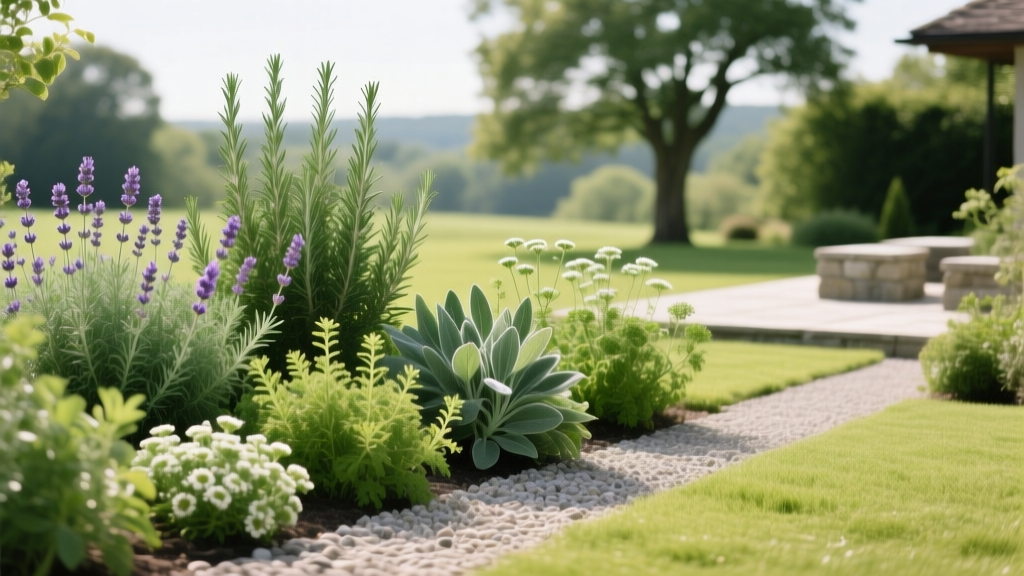
Best Deer Resistant Herbs for Natural Mammal Deterrence
Mammalian herbivores like white-tailed deer (Odocoileus virginianus), eastern cottontails, and meadow voles cause an estimated $1.5 billion in agricultural and residential plant damage annually. While chemical repellents like putrescent egg solids or capsaicin sprays offer temporary relief, they degrade under UV exposure and wash away in the rain. Integrating highly aromatic, deer resistant herbs into your landscape design provides a passive, olfactory-based deterrent matrix that disrupts mammalian foraging patterns year-round.
The Science of Olfactory Deterrence in Mammals
Deer, rabbits, and rodents rely heavily on the trigeminal nerve and the vomeronasal (Jacobson's) organ to assess plant toxicity and palatability before consuming foliage. Herbs that are highly resistant to mammal browsing contain elevated concentrations of volatile terpenes, phenolic compounds, and alkaloids. When a mammal crushes an herb leaf, these compounds vaporize, triggering an acute sensory avoidance response.
'Mammalian herbivores do not simply avoid strong smells; they interpret high concentrations of specific terpenes like 1,8-cineole and linalool as biological markers for toxicity and poor nutritional digestibility.' — Penn State Extension, Wildlife Damage Management
Understanding this chemical defense mechanism is critical. Planting herbs that lack sufficient volatile oil production, or planting them in conditions that suppress oil synthesis, will result in severe browsing damage.
Top Tier Deer Resistant Herbs for Perimeter Defense
Not all herbs offer equal protection. The following species have proven efficacy against both large ungulates (deer) and small mammals (rabbits, voles) due to their specific chemical profiles.
1. Rosemary (Salvia rosmarinus)
Formerly classified as Rosmarinus officinalis, rosemary contains high levels of 1,8-cineole and camphor. The 'Tuscan Blue' and 'Arp' cultivars are exceptionally cold-hardy (surviving down to USDA Zone 6 with microclimate protection) and develop thick, woody stems that rabbits find impossible to chew. Planting cost: $14 to $22 per 2-gallon potted specimen. Failure mode: Rosemary is highly susceptible to root rot (Phytophthora) in heavy clay soils. Amend planting beds with 30% coarse pumice or perlite to ensure rapid drainage.
2. Lavender (Lavandula angustifolia)
Lavender produces linalool and linalyl acetate, which mask the scent of more palatable nearby plants. The 'Munstead' and 'Phenomenal' cultivars offer the highest oil yields. Lavender is particularly effective against meadow voles; the dense, woody root crown and dry soil preferences create an inhospitable tunneling environment. Spacing: Plant 18 to 24 inches apart to ensure adequate airflow, preventing botrytis blight.
3. Creeping Thyme (Thymus serpyllum)
Containing thymol—a potent antimicrobial and insecticidal compound—creeping thyme acts as a living mulch. It deters ground-foraging mammals and suppresses weed growth. It is highly tolerant of light foot traffic, making it ideal for planting between stepping stones where deer frequently walk.
4. Mint (Mentha spp.)
Peppermint (Mentha × piperita) and spearmint contain menthol and carvone, which overwhelm the olfactory receptors of rodents. Critical Warning: Mint is aggressively invasive via underground rhizomes. Never plant mint directly in garden beds. Contain it in 15-gallon fabric grow bags or install a 24-inch deep, 19-gauge galvanized steel root barrier around the perimeter.
Herb Efficacy and Target Mammal Matrix
| Herb Species | Primary Active Compound | Target Mammals Deterred | USDA Zones | Mature Spread |
|---|---|---|---|---|
| Rosemary ('Arp') | 1,8-cineole, Camphor | Deer, Cottontail Rabbits | 6-10 | 36-48 inches |
| Lavender ('Munstead') | Linalool, Linalyl acetate | Deer, Voles, Groundhogs | 5-9 | 18-24 inches |
| Creeping Thyme | Thymol, Carvacrol | Rabbits, Voles | 4-9 | 12-18 inches |
| Peppermint | Menthol, Menthone | Voles, Mice, Groundhogs | 3-8 | Indefinite (Barrier req.) |
Strategic Planting Frameworks: The Scent-Shadow Technique
Randomly scattering herbs throughout a garden provides negligible mammal deterrence. To create an effective biological fence, utilize the 'Scent-Shadow' framework. Mammals forage by following scent plumes downwind. You must disrupt these plumes before the animal reaches your susceptible crops (like hostas, daylilies, or vegetable greens).
- Establish a 3-Foot Perimeter Buffer: Plant a continuous, 36-inch wide band of rosemary and lavender around the entire exterior of your garden or property line. Space plants so their mature canopies overlap by at least 4 inches.
- Interplanting Ratios: Inside the garden, use a 1:3 ratio. For every one susceptible ornamental plant, surround it with three highly aromatic herb specimens (e.g., plant thyme and sage directly at the base of your hydrangeas).
- Bruise the Foliage: During peak browsing seasons (early spring and late autumn), lightly brush against or 'bruise' the herb foliage when walking past. This mechanically releases the volatile oils into the air, reinforcing the olfactory barrier.
⚠️ The Winter Starvation Caveat
No plant is 100% deer-proof. According to USDA APHIS Wildlife Damage Management, when deep snow covers natural forage and a deer's rumen is empty, survival instincts override scent aversion. In Zones 4 through 6, during January and February, starving deer will consume toxic or highly aromatic herbs. Supplemental physical barriers, such as 8-foot black polypropylene deer netting, are mandatory during severe winter starvation periods.
Integrating Herbs with Physical Rodent Deterrents
While strong-smelling herbs deter above-ground browsing, they do not stop subterranean rodents like voles and pocket gophers from destroying root systems. You must pair aromatic herbs with physical subterranean barriers.
- Hardware Cloth Trenching: Before planting your herb perimeter, dig a trench 12 inches deep and 4 inches wide. Install 1/4-inch mesh, 19-gauge galvanized hardware cloth. Backfill the trench. This prevents voles from tunneling under your herb barrier.
- Gravel Mulching: Avoid using shredded hardwood bark mulch around your herbs; it provides excellent cover and nesting material for rodents. Instead, apply a 2-inch layer of 3/4-inch crushed gravel or pea stone. The sharp edges deter soft-footed mammals from traversing the bed.
Troubleshooting Herb Failures in Mammal Deterrence
If deer or rabbits are suddenly browsing your established rosemary or lavender, investigate these three common horticultural errors:
1. Over-Fertilization (The Nitrogen Trap)
Applying high-nitrogen synthetic fertilizers (like a 24-8-16 NPK ratio) forces the plant to produce rapid, watery vegetative growth. This dilutes the concentration of volatile terpenes in the leaf tissue. The Fix: Herbs require lean soil. Fertilize only once a year in early spring with a low-nitrogen, slow-release organic fertilizer (e.g., 4-4-4 NPK) or top-dress with 1 inch of compost.
2. Drought Stress and Oil Depletion
While Mediterranean herbs are drought-tolerant, severe, prolonged water deficits cause the plant to shut down secondary metabolite production (including defensive oils) to conserve energy for basic cellular survival. The Fix: Provide deep, infrequent watering (1 inch per week) during extreme summer heatwaves to maintain oil synthesis.
3. Juvenile Plant Vulnerability
Plants grown from seed or small 4-inch plugs have not yet developed the thick, waxy cuticles or concentrated oil glands of mature specimens. UC IPM guidelines on vertebrate pest management note that juvenile plants are frequently browsed until they reach structural maturity. The Fix: Protect newly planted herbs with wire cloches or liquid repellent sprays (like Liquid Fence) for the first 90 days.
Frequently Asked Questions
Will planting deer resistant herbs completely keep deer out of my yard?
No. Herbs act as a deterrent, not an impenetrable wall. They mask the scent of desirable plants and make the area unappealing. For absolute exclusion, an 8-foot physical fence is required. Herbs are best used to protect specific garden beds within a larger property.
Are there any deer resistant herbs that also repel mosquitoes and ticks?
Yes. Lemon balm (Melissa officinalis) and certain varieties of mint contain citronellal and pulegone, which have mild insect-repelling properties. However, to effectively repel ticks, you must crush the leaves to release the oils; simply having them planted in the ground will not create a tick-free zone.
How do I prune lavender to maintain its deterrent properties?
Prune lavender immediately after the first bloom cycle in early summer. Cut back the flower stalks and the top 1 to 2 inches of vegetative growth, but never cut into the old, leafless woody base. This stimulates a second flush of growth and maintains the high concentration of linalool in the new foliage heading into the autumn browsing season.

