
Pest Control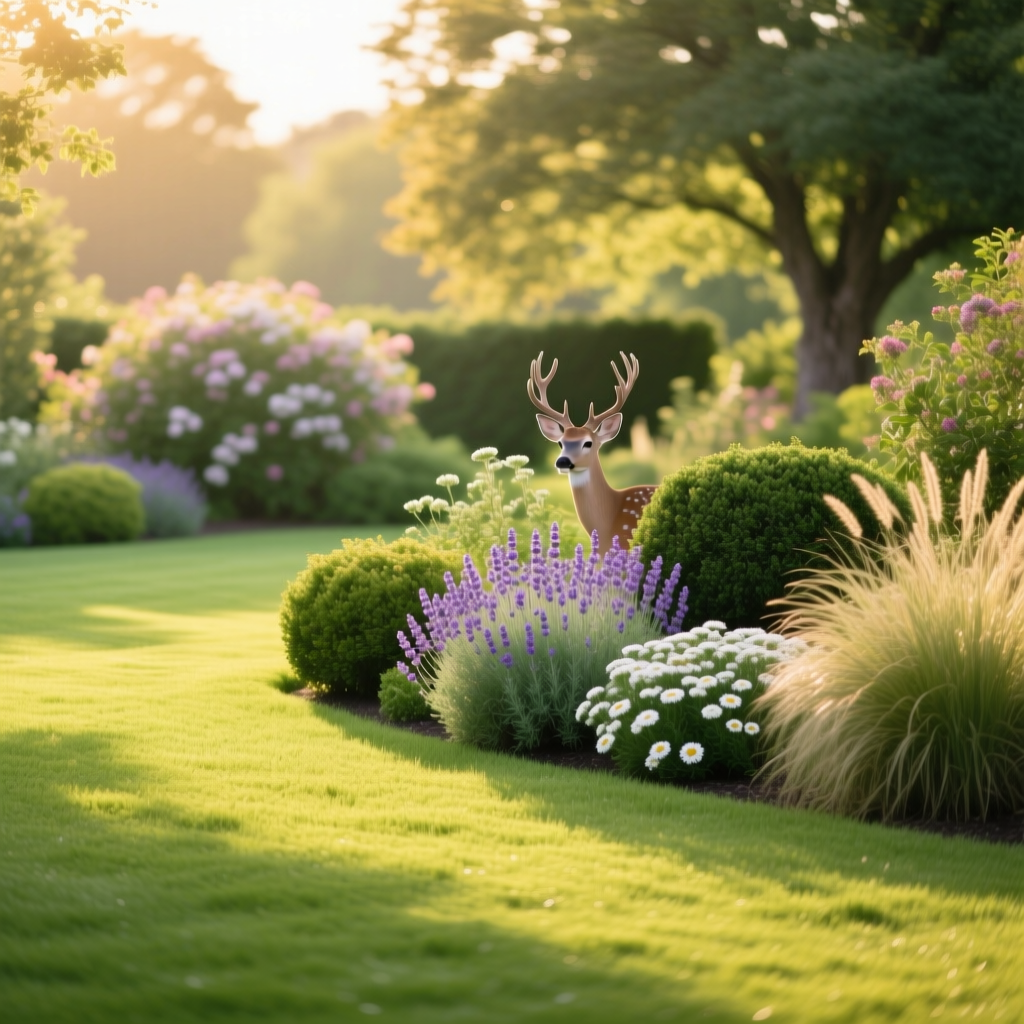
Guide to Deer Resistant Plants for a Beautiful Landscape
David ParkPublished
Deer are undeniably majestic creatures, but to a dedicated homeowner or gardener, they can quickly become one of the most frustrating landscape pests. A single herd can decimate a season of hard work in a single night, stripping prized shrubs, trampling flower beds, and leaving behind a trail of destruction. While you cannot always control the local wildlife population, you can control what you plant and how you protect your property. Choosing deer resistant plants is one of the most effective, eco-friendly, and long-term strategies for maintaining a pristine yard without resorting to harsh chemicals or constant vigilance.
It is important to understand that the term 'deer resistant' does not mean 'deer proof.' When food is scarce, particularly during harsh winters or severe droughts, deer will eat almost anything to survive. However, by selecting flora with specific defensive characteristics—such as strong scents, fuzzy leaves, toxic compounds, or prickly textures—you can make your landscape highly unappealing to these hungry browsers. This comprehensive guide will walk you through identifying deer damage, selecting the best deer resistant plants for your garden and lawn, implementing DIY deterrents, and knowing when it is time to call in professional pest control experts.
Identifying Deer Damage in Your Landscape
Before you can effectively combat a pest problem, you must correctly identify the culprit. Deer damage looks distinctly different from the damage caused by other common yard pests like rabbits, groundhogs, or insects. Because deer lack upper incisors, they do not clip stems cleanly. Instead, they grab the foliage and pull, leaving behind ragged, torn, and jagged edges on leaves and stems. If you inspect your damaged plants and notice a rough, shredded appearance on the remaining vegetation, you are likely dealing with deer.
Another key indicator is the height of the damage. Deer can comfortably browse up to five or six feet off the ground. If you notice that the lower branches of your trees or the tops of your tall shrubs have been stripped bare while the lower sections remain untouched, deer are the probable cause. In contrast, rabbit damage is typically confined to the lower two feet of a plant and features clean, 45-degree angled cuts on the stems.
You can also look for secondary signs of deer presence in your yard. Deer droppings, often referred to as scat, are small, oval-shaped pellets usually found in clusters near their feeding areas. Additionally, because deer are heavy animals, they often leave behind distinct, cloven hoof prints in soft soil or muddy lawn areas. If you are dealing with compacted soil from heavy wildlife traffic, you may need to look into core aeration techniques to help your grass recover from the physical damage.
Top Deer Resistant Plants for Your Garden & Lawn
The most effective way to deter deer is to fill your landscape with plants that they naturally avoid. Deer rely heavily on their sense of smell and taste to forage, and they tend to steer clear of plants with strong essential oils, bitter sap, fuzzy or leathery leaves, and thorny stems. Below are some of the best deer resistant plants categorized by their landscape use.
Aromatic Perennials
Perennials with strong fragrances are excellent for masking the scent of more vulnerable plants while actively repelling deer. Lavender is a cornerstone of deer resistant gardening; its potent essential oils are highly offensive to a deer's sensitive nose. Russian Sage and Catmint offer similar aromatic benefits and provide beautiful, long-lasting purple blooms that attract pollinators but repel browsers. Yarrow features fern-like, slightly fuzzy foliage that deer find unpalatable, making it a hardy and reliable choice for sunny borders.
Toxic & Bitter Bulbs
While tulips and hostas are essentially deer candy, many spring-blooming bulbs contain toxic alkaloids that deer instinctively avoid. Daffodils are the gold standard for deer resistant bulbs; every part of the plant contains lycorine, a toxic compound that causes severe digestive distress if ingested. Alliums, the ornamental cousins of onions and garlic, possess a strong sulfurous odor and taste that deer detest. Snowdrops and Fritillaria are also excellent choices for early spring color that will remain untouched by foraging herds.
Tough Shrubs & Evergreens
When it comes to structural landscaping, you need shrubs that can withstand the local wildlife. Boxwood is a classic choice for hedges and topiaries; its dense, leathery leaves and bitter sap make it highly unappealing to deer. Junipers and Spruce trees offer year-round greenery and possess prickly needles and strong resins that deer avoid. For a splash of color, the Butterfly Bush (Buddleja) and Lilac are woody shrubs that generally survive deer season with minimal damage, especially once they are established and mature.
Prickly & Fuzzy Groundcovers
If you are looking to replace vulnerable turf or mulch beds, consider groundcovers that are physically difficult to eat. Lamb's Ear is famous for its thick, woolly, silver-gray leaves that feel unpleasant in a deer's mouth. Barberry and Holly feature sharp thorns and spiky leaves that act as a natural physical barrier, deterring not just deer but also smaller pests. For a low-maintenance option that ties your landscape together, planting these resilient groundcovers can reduce the need for constant weed management in hard-to-reach areas.
Prevention Strategies & DIY Deer Deterrents
Even with a yard full of deer resistant plants, a hungry herd might still attempt to sample your landscape, especially when new, tender transplants are introduced. Implementing a multi-layered prevention strategy is crucial for long-term success. Relying on a single method often fails, as deer are highly adaptable creatures that will eventually habituate to static deterrents.
Physical Barriers & Fencing
The most foolproof method of keeping deer out of your yard is physical exclusion. A standard deer fence must be at least eight feet tall, as deer are incredible jumpers and can easily clear a six-foot barrier. If an eight-foot fence is not aesthetically pleasing or feasible for your property, consider a slanted fence or a double-fence system. Deer have poor depth perception and will not jump into a narrow corridor between two shorter fences. For individual prized trees or vulnerable garden beds, wrapping the trunks in tree guards or using heavy-duty wire cages can prevent antler rubbing and winter browsing.
Scent & Taste Repellents
Repellents work by making your plants smell or taste terrible. You can purchase commercial repellents, but DIY solutions are highly effective and cost-efficient. A popular homemade recipe involves blending three raw eggs, three tablespoons of minced garlic, and a dash of dish soap with a gallon of water. Let the mixture sit in the sun for a few days to ferment, strain it, and spray it liberally on the foliage of your plants. The putrescent egg smell mimics the scent of decay, signaling to deer that the area is unsafe. Remember to reapply taste and scent repellents after heavy rainfall and rotate between different active ingredients so the deer do not become accustomed to a single scent.
Motion-Activated Deterrents
Startling the deer is an excellent way to condition them to avoid your yard. Motion-activated sprinklers are among the most effective DIY deterrents available. When a deer crosses the infrared sensor, the device shoots a sudden, harmless burst of water accompanied by a loud mechanical clicking sound. This triggers the deer's natural flight response. Ultrasonic devices and motion-activated floodlights can also be useful, though their effectiveness can vary depending on the local deer population's boldness. Combining these devices with a solid seasonal maintenance routine ensures your yard remains an uninviting environment for wildlife.
Landscaping Tips to Minimize Deer Attraction
How you design and maintain your landscape plays a massive role in its attractiveness to local wildlife. Deer are edge-dwelling creatures, meaning they prefer to feed in transitional zones where forests meet open spaces. By modifying your landscape design, you can reduce the likelihood of deer entering your property.
First, practice strategic zoning. Plant your most vulnerable, deer-susceptible species—such as hostas, daylilies, and fruit trees—as close to your home as possible. Deer are naturally wary of human activity and are less likely to approach areas with high foot traffic, bright porch lights, and the scent of humans and pets. Reserve the outer perimeters of your property, especially those bordering woods or open fields, for your most aggressive, deer resistant shrubs and perennials.
Second, maintain a clean yard. Fallen fruit from apple or pear trees, spilled birdseed, and overgrown brush piles act as powerful magnets for deer and other pests. Regularly harvest your fruit, clean up beneath bird feeders, and keep your yard free of debris. If you are dealing with secondary pests attracted by the same messy conditions, you may need to consult our guide on mole and vole control, as these small mammals often thrive in the same overgrown, unmanaged environments that attract larger browsers.
Finally, consider companion planting. Interplanting highly aromatic herbs like rosemary, thyme, and mint throughout your flower beds can help mask the scent of the more palatable plants nearby. This creates a confusing olfactory environment for the deer, making it harder for them to locate their favorite snacks.
When to Call Professional Pest Control Services
While DIY methods and deer resistant plants can manage moderate wildlife pressure, there are situations where professional intervention becomes necessary. If you live in an area with an overpopulated deer herd, the sheer volume of animals may overwhelm your home defenses. When deer begin causing significant structural damage to your property, stripping the bark off mature trees, or destroying expensive commercial landscaping, it is time to consult a professional.
Wildlife control professionals have access to commercial-grade, long-lasting repellents that are not available to the general public. They can also design and install specialized, high-tensile wildlife fencing that blends seamlessly into your landscape while providing an impenetrable barrier. Furthermore, professionals can conduct a thorough property assessment to identify hidden entry points and foraging corridors that you may have missed. If your local wildlife issues extend beyond deer to include destructive burrowing animals, a professional pest control service can implement a comprehensive, site-wide management plan to restore the health and safety of your outdoor spaces.
Frequently Asked Questions
Are there any truly deer-proof plants?
In the strictest sense, no plant is 100 percent deer-proof. If a deer is starving, especially during a harsh winter when snow covers their natural forage, they will eat bark, twigs, and plants they would normally avoid. However, plants like daffodils, boxwood, and lavender are considered highly deer resistant because their toxicity, strong scents, or tough textures make them extremely unpalatable under normal circumstances.
What smells do deer hate the most?
Deer have an incredibly acute sense of smell, which they rely on to detect predators and find food. They strongly dislike the scent of putrescent eggs, garlic, hot peppers, and strong essential oils like mint, rosemary, and lavender. They are also repelled by the smell of human hair, predator urine (such as coyote), and strongly scented bar soaps hung from tree branches.
Will deer eat my lawn grass?
Deer are primarily browsers, meaning they prefer to eat leaves, twigs, fruits, and broadleaf weeds rather than grazing on grass like cattle or sheep. While they might nibble on tender, newly sprouted grass seed or dig up your turf to get to the grubs underneath the soil, mature lawn grass is not a preferred food source. If your lawn is being destroyed, you are likely dealing with a different pest, such as moles, voles, or skunks.
How high can deer jump over a fence?
White-tailed deer are phenomenal athletes and can easily clear a standard six-foot fence from a standing position if they are motivated. To effectively exclude deer using a physical barrier, a fence should be at least eight feet tall. Alternatively, two parallel four-foot fences spaced about four feet apart will also deter them, as they will not jump into a narrow space where they cannot land safely and take off again.
Do ultrasonic deer repellents actually work?
The effectiveness of ultrasonic repellents is highly debated among wildlife experts. While these devices emit high-frequency sounds that are intended to irritate and scare deer, many studies suggest that deer quickly habituate to the noise, especially if they realize there is no actual physical threat associated with it. For reliable results, it is better to rely on physical barriers, motion-activated water sprinklers, and a well-planned landscape featuring deer resistant plants.

