
Pest Control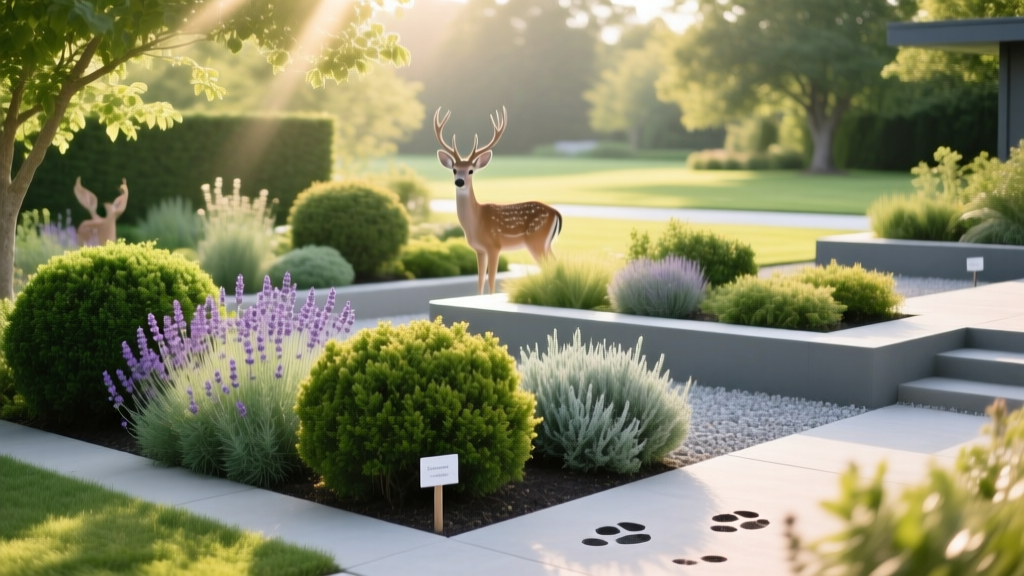
Deer Tolerant Shrubs: Natural Mammal Deterrence Guide
The Biological Reality of Mammal Browsing
White-tailed deer and other large mammals cause over $1 billion in annual damage to residential landscapes across North America. When designing a pest-resistant yard, relying solely on physical barriers or chemical sprays is a losing battle against a hungry, adaptable herd. Integrating highly effective deer tolerant shrubs into your landscape architecture creates a biological buffer zone that leverages natural plant defenses to deter browsing.
According to research compiled by the Rutgers University NJAES, true deer resistance is rarely absolute; it is a spectrum dictated by plant chemistry, physical leaf structures, and seasonal forage availability. By selecting specific cultivars with high concentrations of alkaloids, dense trichomes (leaf hairs), or volatile essential oils, homeowners can engineer a landscape that mammals instinctively avoid.
Top Tier Deer Tolerant Shrubs: 2026 Selection Matrix
Not all "deer resistant" labels at the garden center are created equal. Many popular shrubs are only tolerated when better food sources are abundant. The following matrix highlights heavy-duty, highly reliable species that maintain their deterrence properties even under moderate browsing pressure.
| Shrub Species & Cultivar | Hardiness Zone | Primary Deterrence Mechanism | 2026 Avg. Nursery Cost (3-Gal) |
|---|---|---|---|
| Boxwood (Buxus sempervirens 'Winter Gem') | 5-9 | Alkaloids (buxine) and tough, leathery cuticle | $45 - $65 |
| Juniper (Juniperus scopulorum 'Blue Point') | 3-9 | Sharp needle-like foliage and pungent volatile oils | $35 - $55 |
| Russian Sage (Salvia yangii 'Denim 'n Lace') | 4-9 | Highly aromatic, fuzzy trichome-covered leaves | $25 - $35 |
| Barberry (Berberis thunbergii 'Crimson Pygmy') | 4-8 | Dense, sharp thorns and high tannin content | $30 - $45 |
| Bayberry (Myrica pensylvanica) | 3-7 | Waxy, highly aromatic resinous leaf coating | $40 - $60 |
The "Ironclad" Perimeter Species
For the outermost edges of your property where deer traffic is highest, structural evergreens are mandatory. Buxus sempervirens 'Winter Gem' remains the gold standard for formal hedges. Its leaves contain buxine, a toxic alkaloid that causes severe gastrointestinal distress in mammals. When planted at 18-inch intervals, it forms an impenetrable, unpalatable wall.
Similarly, Juniperus scopulorum 'Blue Point' offers a dual-layered defense. The physical abrasion of its awl-shaped needles deters physical contact, while the high concentration of terpenes and volatile oils masks the scent of more palatable plants hidden behind it.
Aromatic & Volatile Oil Defenders
Deciduous and semi-woody perennials like Salvia yangii (formerly Perovskia atriplicifolia) rely on olfactory deterrence. The dense layer of silver trichomes on the leaves not only reflects excess sunlight but also traps potent essential oils. When a deer brushes against the plant, the release of camphor-like compounds overwhelms their highly sensitive olfactory receptors, prompting them to move on to less offensive forage.
Warning: The Winter Starvation Caveat
No shrub is 100% deer-proof under extreme conditions. The University of Nebraska Wildlife Damage Management program notes that during late winter (February-March), when natural forage is buried under snow or depleted, starving deer will strip the bark and consume the foliage of highly toxic plants. In regions with heavy snow loads, biological deterrence must be paired with physical trunk guards and winter repellent applications.
Strategic Placement: The "Buffer Zone" Method
Planting deer tolerant shrubs randomly across your yard will not protect your vulnerable ornamentals (like hostas, daylilies, or yews). You must employ the Buffer Zone Method to manipulate mammal behavior.
- The Outer Perimeter (0-4 feet from property line): Plant dense, thorny, or highly toxic evergreens (Juniper, Barberry, Boxwood). This acts as the physical and chemical first line of defense.
- The Transition Zone (4-8 feet): Layer highly aromatic, fuzzy-leaved shrubs (Russian Sage, Lavender, Bayberry). This creates an olfactory wall that confuses deer and masks the scent of inner plants.
- The Inner Sanctuary (8+ feet): Place your highly susceptible, high-value ornamentals (Japanese Maples, Hydrangeas, Tulips) in this protected core.
Deer are reluctant to push through a dense, foul-smilling, thorny 4-foot barrier just to reach a single hosta plant, especially when easier forage exists in neighboring woods or unprotected yards.
Integrating Chemical Deterrents for High-Pressure Zones
Even the best deer tolerant shrubs require establishment periods. During the first 12 to 18 months, newly planted shrubs are flush with nursery-applied nitrogen and tender new growth, making them temporarily attractive. To bridge this gap, integrate area repellents.
As of 2026, the most effective commercial repellents rely on putrescent whole egg solids or capsaicin. Products like Bobbex (approx. $45 per gallon) and Liquid Fence (approx. $32 per gallon) should be applied to the new growth of your tolerant shrubs every 3 to 4 weeks during the spring and early summer. Once the shrubs mature and their internal alkaloid levels stabilize, chemical applications can be phased out entirely.
Maintenance Mistakes That Destroy Natural Deterrence
The most common failure mode in mammal deterrence landscaping is improper fertilization. The biological compounds that make these shrubs unpalatable (tannins, alkaloids, terpenes) are secondary metabolites. Plants produce these compounds when they are slightly stressed or growing at a natural, moderate pace.
Critical Fertilizer Rule:
Never apply high-nitrogen synthetic fertilizers (e.g., 30-0-0 or 46-0-0) to deer tolerant shrubs. High nitrogen forces rapid, sappy vegetative growth. This dilutes the concentration of defensive alkaloids and produces tender, water-rich tissue that deer find irresistible. Use a balanced, slow-release organic fertilizer with an N-P-K ratio no higher than 5-5-5 or 10-10-10, applied only once in early spring.
Pruning for Airflow and Resin Production
For resinous shrubs like Junipers and Bayberry, pruning must be done carefully to maintain their defensive properties. Shearing Junipers into tight, formal shapes removes the mature, oil-rich foliage and stimulates soft, vulnerable interior growth. Instead, use hand pruners to selectively thin branches, maintaining the plant's natural architecture and ensuring the sharp, mature needles remain on the outer canopy where mammals interact with them.
Frequently Asked Questions
Do deer tolerant shrubs also deter rabbits and voles?
Partially. While the alkaloids and tough cuticles of Boxwood and Juniper deter rabbits from browsing the foliage, they do not stop voles from girdling the bark at the soil line during winter. For comprehensive small mammal control, you must install a 1/4-inch hardware cloth cylinder buried 6 inches deep around the base of the shrub trunk.
How long does it take for a biological buffer zone to become effective?
A newly planted buffer zone takes roughly two full growing seasons (18-24 months) to establish deep roots, harden off its foliage, and reach peak production of defensive secondary metabolites. During this establishment window, supplemental chemical repellents are mandatory.
Can I plant deer tolerant shrubs in full shade?
Most highly effective deer tolerant shrubs (like Juniper, Russian Sage, and Barberry) require full sun to produce the volatile oils and dense foliage necessary for deterrence. In deep shade, these plants become leggy and produce fewer defensive compounds. For shaded areas, rely on shade-tolerant, highly toxic understory plants like Hellebores (Lenten Rose) or ferns, which contain natural toxins that deter browsing.

