
Pest Control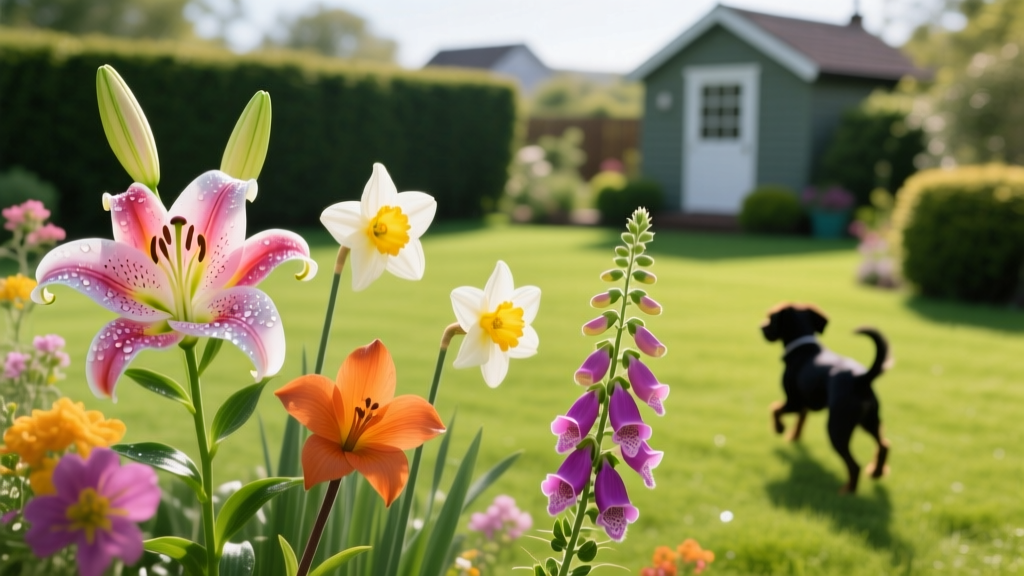
Flowers Poisonous to Dogs: Diagnosis, Symptoms, and Safe Alternatives
The Diagnostic Framework: Recognizing Canine Plant Toxicity
Every spring and summer, veterinary emergency clinics see a massive spike in canine toxicology cases linked to ornamental landscaping. While many homeowners focus on securing household chemicals, the garden bed often harbors lethal biochemical threats. Identifying flowers poisonous to dogs is only the first step; understanding the diagnostic framework for plant toxicity is critical for minimizing morbidity and mortality when accidental ingestion occurs.
When a dog ingests a toxic plant, the window for effective intervention is remarkably narrow. The standard triage protocol requires identifying the exact plant species, estimating the ingested volume relative to the dog's body weight, and noting the time elapsed since consumption. According to the ASPCA Animal Poison Control Center, rapid identification of the specific plant toxin dictates whether a veterinarian will pursue decontamination (emesis and activated charcoal) or immediate systemic support.
⚠️ Expert Warning: The Hydrogen Peroxide Myth
Many outdated online guides recommend inducing vomiting at home using 3% hydrogen peroxide. Veterinary toxicologists now strongly advise against this practice. H2O2 can cause severe hemorrhagic gastritis, gastric ulceration, and life-threatening aspiration pneumonia. The clinical gold standard for emesis induction is apomorphine administered intravenously or via the conjunctival sac by a licensed veterinarian. Always call your vet or the Pet Poison Helpline before attempting any home decontamination.
High-Risk Offenders: Biochemical Profiles of Toxic Flowers
Not all toxic plants operate through the same mechanisms. Some cause rapid neurological collapse, while others trigger delayed hepatic failure. Below is a diagnostic matrix of the most dangerous ornamental flowers and shrubs frequently found in residential landscapes.
| Plant Species | Primary Toxin | Target Organ System | Mortality Risk & Notes |
|---|---|---|---|
| Sago Palm (Cycas revoluta) | Cycasin | Hepatic (Liver) | 30-50% mortality even with aggressive IV fluid and liver support therapy. All parts toxic; seeds contain the highest concentration. |
| Oleander (Nerium oleander) | Cardiac Glycosides | Cardiovascular | Extremely high. Ingestion of just a few leaves can cause fatal ventricular arrhythmias and hyperkalemia. |
| Autumn Crocus (Colchicum autumnale) | Colchicine | Multi-organ / GI | High. Symptoms can be delayed for days, leading to severe bone marrow suppression and multi-organ failure. |
| Daffodil (Narcissus spp.) | Lycorine | Gastrointestinal / Cardiac | Moderate. Bulbs are most toxic. Causes severe vomiting, diarrhea, and occasionally cardiac arrhythmias or hypotension. |
| Azalea / Rhododendron | Grayanotoxins | Neurological / Cardiac | Moderate to High. Binds to sodium channels, causing profound hypotension, bradycardia, and coma. |
Note on Lilies: While true lilies (Lilium spp.) and daylilies (Hemerocallis) are notoriously fatal to cats due to acute nephrotoxicity, they generally only cause mild to moderate gastrointestinal upset in dogs. However, the highly toxic Lily of the Valley (Convallaria majalis) contains cardiac glycosides and is lethal to both species.
Symptom Mapping: Matching Clinical Signs to Toxins
Diagnosing the culprit plant often relies on mapping the dog's clinical presentation to specific toxidromes. If you find your dog chewing on an unidentified plant, observing the following symptom clusters will help your veterinarian prioritize life-saving interventions.
Hepatotoxicity (Liver Failure)
- Early Signs (12-24 hours): Vomiting, anorexia, lethargy, and melena (black, tarry stools indicating digested blood).
- Late Signs (48-72 hours): Icterus (yellowing of the sclera and gums), coagulopathy (inability to clot blood), and hepatic encephalopathy (seizures, head pressing).
- Primary Suspects: Sago Palm, Blue-green algae (cyanobacteria in garden water features).
Cardiotoxicity (Heart Disruption)
- Clinical Signs: Profound bradycardia (slow heart rate), weak or absent femoral pulses, pale mucous membranes, cold extremities, and sudden collapse.
- Primary Suspects: Oleander, Foxglove (Digitalis purpurea), Lily of the Valley.
Neurotoxicity (Central Nervous System)
- Clinical Signs: Ataxia (drunken gait), muscle tremors, hyperthermia, paddling movements, and generalized seizures.
- Primary Suspects: Azaleas, Rhododendrons, Mountain Laurel.
Yard Remediation: Safely Eradicating Toxic Flora
If you have identified toxic plants in your landscaping, removal must be thorough to prevent regrowth and secondary exposure. Simply snapping off the flower heads is insufficient, as many dogs will dig up and chew on the subterranean bulbs or rhizomes.
- Manual Root Extraction: For bulbous plants like Daffodils and Autumn Crocus, use a trenching shovel to excavate a 12-inch radius around the plant base, going at least 10 inches deep. Sift the soil to ensure no small offset bulbs are left behind.
- Sago Palm Removal: Sago palms possess massive, woody taproots. You will likely need a mattock and a reciprocating saw to extract the entire root crown. Dispose of all plant material in sealed municipal trash bags; do not compost toxic flora, as the breakdown process does not neutralize compounds like cycasin.
- Chemical Burn-Downs (If Manual Removal is Impossible): If you must use an herbicide to kill established toxic shrubs like Oleander, avoid systemic glyphosate products if your dog has off-leash access to the yard. While glyphosate itself has low acute mammalian toxicity, the surfactants in commercial formulations can cause severe GI irritation. Opt for pelargonic acid-based organic burn-down herbicides (e.g., Scythe), which destroy plant cell membranes on contact and break down rapidly in the soil without leaving toxic residues.
The Solution Matrix: Pet-Safe Flower Alternatives
Eradicating toxic plants leaves gaps in your landscape design. Fortunately, the American Kennel Club and veterinary toxicologists endorse a wide variety of vibrant, resilient flowers that are entirely non-toxic to canines. Below is a planting matrix to help you rebuild your garden beds safely.
| Safe Flower Species | Sunlight Requirement | USDA Hardiness Zones | Landscaping Best Use |
|---|---|---|---|
| Zinnia (Zinnia elegans) | Full Sun (6-8 hrs) | 2-11 (Grown as annual) | Border edges, high-traffic cutting gardens. |
| Snapdragon (Antirrhinum majus) | Full to Partial Sun | 7-11 (Perennial) | Vertical height in mixed beds; safe alternative to Foxglove. |
| Sunflower (Helianthus annuus) | Full Sun | 2-11 (Annual) | Focal points, perimeter screening. |
| Aster (Aster spp.) | Full to Partial Sun | 3-8 (Perennial) | Late-season color, ground cover in large beds. |
| Calendula (Calendula officinalis) | Full to Partial Sun | 2-11 (Annual/Short-lived perennial) | Edible garden borders, pollinator attractor. |
Preventative Landscaping Tactics for Dog Owners
Relying solely on plant selection is sometimes insufficient, especially if neighborhood wildlife disperses toxic seeds into your yard, or if you inherit a mature landscape with established toxic shrubs that are too costly to remove immediately. Implementing physical and behavioral deterrents provides a necessary secondary layer of defense.
Physical Exclusion Barriers
For existing toxic plants like mature Rhododendrons or Sago Palms that you cannot immediately remove, install physical barriers. Use 18-inch galvanized hardware cloth (1/2-inch mesh). Bury the bottom 6 inches in a trench around the plant's drip line and angle the top 12 inches outward at a 45-degree angle. This prevents dogs from digging at the toxic root base and deters them from pushing through the foliage.
Chemical Deterrents and Reapplication Schedules
Bitter sprays are highly effective for stopping dogs from chewing on lower-hanging toxic blooms. Products containing Bitrex (denatonium benzoate), such as Grannick's Bitter Apple Spray ($12-$15 for an 8oz bottle), exploit a dog's highly sensitive bitter taste receptors. However, outdoor application requires strict adherence to a reapplication schedule. UV radiation and irrigation degrade the active compounds rapidly. You must reapply bitter sprays to outdoor foliage every 5 to 7 days, and immediately after any rainfall exceeding 0.2 inches, to maintain efficacy.
Strategic Hardscaping
Create a 'dog run' or designated elimination area using smooth river rock (minimum 2 inches in diameter to prevent ingestion) or crushed limestone. Separate this area from your ornamental flower beds using raised cedar planter boxes elevated at least 24 inches off the ground. Most dogs will not jump into raised beds, effectively eliminating the risk of accidental ingestion while allowing you to maintain the landscaping aesthetic you desire.
By combining rigorous plant identification, rapid diagnostic symptom mapping, and proactive landscape remediation, you can cultivate a vibrant garden that poses zero biochemical threat to your canine companions. Always keep the number for the Pet Poison Helpline (855-764-7661) saved in your phone, as immediate veterinary consultation remains the ultimate safeguard against accidental toxicity.

