Pest Control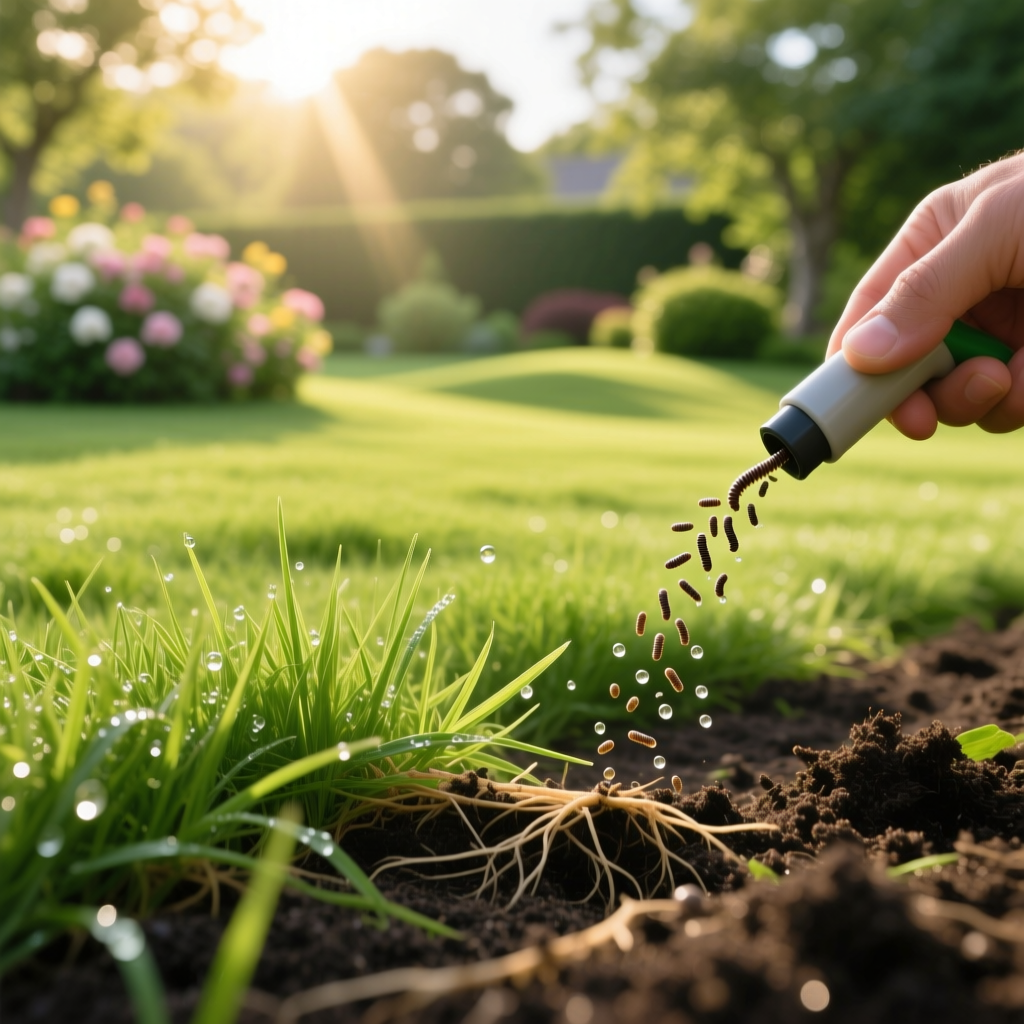
DIY Beneficial Nematode Applications to Control Grubs & Lawn Pests
Mike RodriguezPublished
DIY Beneficial Nematode Applications to Control Grubs & Lawn Pests
Every homeowner dreams of a lush, green lawn — but beneath the surface, a hidden army of pests may be silently destroying your turf from the roots up. White grubs, chinch bugs, sod webworms, and other soil-dwelling insects can wreak havoc on even the most well-maintained lawns, leaving behind brown patches, spongy turf, and widespread damage that worsens with each passing season.
While chemical pesticides have long been the default solution, many homeowners are turning to a more natural, environmentally friendly alternative: beneficial nematodes. These microscopic, soil-dwelling roundworms are nature's own pest control agents, capable of hunting down and eliminating over 200 species of lawn-destroying insects without harming your grass, your pets, or your family.
In this comprehensive guide, you will learn everything you need to know about using beneficial nematodes for grub control and lawn pest management — from identifying the pests that threaten your turf to mixing, applying, and maintaining nematode treatments right in your own backyard. Whether you are dealing with a full-blown grub infestation or simply want to take a preventive approach to lawn pest control, this article will walk you through every step of the DIY process.
Identifying Grubs & Common Lawn Pests That Nematodes Control
Before you can treat a pest problem, you need to know exactly what is damaging your lawn. Beneficial nematodes are remarkably effective against a wide range of soil-dwelling pests, but understanding which insects are present in your turf will help you choose the right nematode species and apply them at the optimal time.
White Grubs: The Number One Lawn Destroyer
White grubs are the larval stage of various beetles, including Japanese beetles, June beetles, masked chafers, and European chafers. These C-shaped, cream-colored larvae live just beneath the soil surface and feed aggressively on grass roots. A healthy lawn can tolerate a few grubs, but when populations exceed roughly five to ten grubs per square foot, the damage becomes visible and severe.
Signs of a grub infestation include:
- Brown, irregular patches of dead or dying grass that appear in late summer or early fall
- Spongy turf that feels loose underfoot because the root system has been severed
- Turf that rolls back like a carpet when you tug on it, revealing grubs beneath the surface
- Increased animal activity — raccoons, skunks, crows, and moles digging up your lawn to feed on grubs
To confirm a grub problem, use a shovel to cut a one-foot square section of turf about two to three inches deep and peel it back. Count the grubs you find. If you spot more than five or six in that single square foot, treatment is warranted. For more on diagnosing turf damage, see our lawn care guides for detailed troubleshooting tips.
Other Soil-Dwelling Pests Controlled by Nematodes
Grubs are not the only villains lurking in your soil. Beneficial nematodes are also effective against a long list of common lawn pests:
- Chinch bugs — tiny black-and-white insects that suck sap from grass blades, causing yellowing and dead patches, particularly in St. Augustine grass and other warm-season turf types
- Sod webworms — the larval stage of lawn moths, these caterpillars chew grass blades down to the crown, creating ragged brown areas
- Cutworms — nocturnal caterpillars that sever grass blades at the soil line, leaving small circular dead spots
- Armyworms — voracious feeders that can strip large areas of lawn in a matter of days
- Flea and tick larvae — nematodes can reduce populations of these nuisance pests in your yard, making outdoor spaces safer for pets and family
- Crane fly larvae (leatherjackets) — these legless, worm-like pests feed on grass roots and crowns, causing thinning turf
- Billbugs — weevil larvae that hollow out grass stems and feed on roots, common in zoysia and bermudagrass
Understanding which pest you are dealing with is critical because different nematode species target different insects. The two most commonly used genera in lawn care are Steinernema and Heterorhabditis, and each has its strengths.
Choosing the Right Nematode Species
Steinernema carpocapsae is the most widely available and affordable species. It works well against a broad range of pests, including grubs, fleas, and cutworms. It tends to stay near the soil surface, making it ideal for pests that live in the upper few inches of soil.
Steinernema feltiae excels at cooler soil temperatures and is particularly effective against fungus gnat larvae and some fly species. It is a versatile choice for homeowners in cooler climates.
Heterorhabditis bacteriophora (often abbreviated as Hb) is the gold standard for deep-dwelling grub control. These nematodes actively hunt their prey and can penetrate deeper into the soil, making them exceptionally effective against Japanese beetle grubs, June beetle grubs, and other root-feeding larvae. If grubs are your primary target, this is the species you want.
Many commercial products combine multiple species for broader pest coverage. When purchasing nematodes, look for products that specify the target pests on the label and buy from reputable suppliers who guarantee live, viable organisms.
Preventing Grub & Pest Infestations Before They Start
While beneficial nematodes are an outstanding treatment option, the best pest management strategy always includes a strong preventive foundation. A thick, healthy lawn is naturally more resistant to pest damage, and combining good cultural practices with biological controls creates a robust defense system.
Maintain a Thick, Healthy Turf
Pests are opportunists — they target weak, stressed lawns far more aggressively than vigorous ones. Follow these core lawn maintenance practices to keep your turf resilient:
- Mow at the proper height for your grass species. Taller grass develops deeper root systems that can better withstand grub feeding. Most cool-season grasses should be mowed at three to four inches, while warm-season grasses thrive at one to two and a half inches.
- Water deeply but infrequently to encourage deep root growth. Shallow, frequent watering creates the moist surface conditions that grubs and other pests love.
- Fertilize appropriately based on a soil test. Over-fertilizing, especially with high-nitrogen products, can actually attract beetles looking for lush turf to lay eggs in. Visit our fertilizing guide for seasonal feeding schedules.
- Aerate compacted soil annually to improve drainage, reduce thatch buildup, and promote healthy microbial activity — conditions that support both your grass and beneficial organisms like nematodes.
Reduce Thatch Buildup
A thatch layer thicker than half an inch creates an ideal habitat for pests and can act as a barrier that prevents nematodes from reaching the soil. Regular dethatching, combined with core aeration, keeps the soil-thatch interface thin and accessible. Learn more about proper techniques in our aeration and dethatching guide.
Encourage Natural Predators
Birds, ground beetles, and parasitic wasps are all natural enemies of grubs and other lawn pests. Avoid broad-spectrum insecticides that kill these beneficial creatures along with the pests. Planting flowering borders around your lawn can attract predatory insects that help keep pest populations in check naturally.
Monitor Your Lawn Regularly
Walk your lawn at least once a week during the growing season and look for early warning signs: irregular brown patches, increased bird or animal activity, wilting grass despite adequate moisture, or a spongy feel underfoot. Early detection means you can apply nematodes before the infestation becomes severe, saving your turf and reducing the amount of product you need.
Step-by-Step DIY Beneficial Nematode Application Guide
Applying beneficial nematodes is a straightforward process, but because these are living organisms, there are several critical details that determine success or failure. Follow this step-by-step guide to ensure your nematode application achieves maximum pest control.
Step 1: Time Your Application Correctly
Timing is everything when it comes to nematode applications. Nematodes need specific soil conditions to survive and hunt effectively:
- Soil temperature should be between 55°F and 90°F (13°C to 32°C). Below this range, nematodes become sluggish and ineffective. Above it, they die rapidly.
- Soil moisture must be adequate. Nematodes travel through water films in the soil, so dry conditions will kill them before they reach their targets.
- Target the right life stage of the pest. For grubs, the ideal application window is mid-to-late summer when eggs have hatched and young larvae are actively feeding near the soil surface. A secondary application in early spring can target overwintered grubs before they pupate.
- Apply in the early morning or late evening to avoid UV radiation from direct sunlight, which kills nematodes on contact. Overcast days are also excellent for application.
Step 2: Calculate How Many Nematodes You Need
Nematode products are sold by the number of infective juveniles (IJs) they contain. The standard application rate for grub control is approximately one million nematodes per 1,000 square feet of lawn area for preventive treatment. For active infestations, increase the rate to two to three million per 1,000 square feet.
Measure your lawn's square footage carefully. Multiply the length by the width of each section, add them together, and divide by 1,000 to determine how many millions of nematodes to order. It is always better to slightly over-apply than to under-apply.
Step 3: Prepare Your Lawn
Before applying nematodes, prepare the turf to create optimal conditions:
- Mow the lawn to its normal height. Shorter grass allows the nematode solution to reach the soil surface more easily.
- Water the lawn thoroughly one to two hours before application. The soil should be moist but not waterlogged. This pre-irrigation step is crucial — it softens the soil surface, activates the grubs (making them more vulnerable), and ensures nematodes have a moist medium to travel through.
- Remove excessive thatch if present. A thick thatch layer will trap nematodes above the soil where they will die from exposure.
Step 4: Mix the Nematode Solution
Nematodes typically arrive in one of three forms: a gel, a clay-based powder, or a sponge impregnated with nematodes. Regardless of the form, the mixing process is similar:
- Fill a clean bucket with cool, distilled or dechlorinated water. Chlorine in tap water can kill nematodes. If you must use tap water, let it sit in an open container for at least 24 hours to allow chlorine to dissipate.
- Add the nematode product to the water according to the package directions. Stir gently — do not use hot water, and avoid vigorous agitation that could damage the organisms.
- Let the mixture sit for a few minutes to allow the nematodes to fully disperse, then stir again before transferring to your sprayer.
- Use the solution within the time frame specified on the label — usually within one to two hours of mixing. Nematodes in solution are on a ticking clock and will die if left sitting too long.
Step 5: Apply the Nematodes
You can apply nematodes using several types of equipment:
- Pump sprayer or backpack sprayer — the most common choice for residential lawns. Remove any screens or filters finer than 50 mesh, as these can trap and damage nematodes. Use a nozzle that produces a coarse spray rather than a fine mist.
- Hose-end sprayer — convenient for larger areas. Set the dial to deliver the recommended dilution rate and spray evenly across the lawn.
- Watering can — suitable for very small areas or spot treatments around garden beds.
Walk at a steady pace and apply the solution as evenly as possible across the entire target area. Pay extra attention to zones where you have observed pest damage or high grub counts. Agitate the sprayer tank periodically to keep nematodes suspended in the solution — they tend to settle to the bottom.
Step 6: Water In Immediately After Application
This is arguably the most important step in the entire process. Immediately after spraying, water the lawn with approximately one-quarter to one-half inch of water using a sprinkler or hose. This washes the nematodes off grass blades and into the soil and thatch layer where they need to be. Without this post-application watering, nematodes will remain on the grass surface and die within minutes from UV exposure and desiccation.
Step 7: Maintain Soil Moisture for Two Weeks
For the next 10 to 14 days after application, keep the treated area consistently moist. Light watering every day or every other day (depending on weather and soil type) ensures that nematodes remain active and mobile in the soil. They need that thin film of water to swim through as they search for hosts. Once the soil dries out completely, nematode effectiveness drops dramatically.
Maximizing Nematode Effectiveness & Long-Term Lawn Health
A single nematode application can significantly reduce grub populations, but for lasting control and a truly healthy lawn, you need to think long-term. Here is how to get the most from your biological pest control investment.
Plan Multiple Applications for Severe Infestations
If your lawn has a heavy grub population — more than ten grubs per square foot — a single application may not eliminate the entire infestation. Plan for a second application two to three weeks after the first to catch any survivors and newly hatched larvae. For chronic pest problems, consider making nematode applications a regular part of your seasonal lawn care routine.
Store and Handle Nematodes Properly
Because nematodes are living organisms, how you handle them before application directly affects their viability:
- Refrigerate immediately upon receipt. Nematodes should be stored at 37°F to 42°F (3°C to 6°C) until you are ready to use them.
- Check the expiration date before purchasing and again before mixing. Expired nematodes are dead nematodes, and no amount of proper application technique will bring them back.
- Never freeze nematodes or leave them in a hot car, mailbox, or direct sunlight. Temperature extremes are lethal.
- Order from suppliers who ship with cold packs and expedited delivery to ensure the organisms arrive alive.
Combine Nematodes with Other Organic Practices
Beneficial nematodes work beautifully alongside other organic lawn care strategies. Milky spore disease (Paenibacillus popilliae) is a bacterial agent that specifically targets Japanese beetle grubs and can persist in the soil for years, providing long-term suppression. Applying both milky spore and nematodes gives you immediate knockdown from the nematodes and lasting protection from the milky spore.
Additionally, maintaining proper soil pH through regular testing and amendment — as covered in our soil testing guide — ensures that your grass is growing in conditions that favor its health over pest proliferation. Most turf grasses thrive at a pH between 6.0 and 7.0.
Avoid Chemical Conflicts
Do not apply chemical pesticides, fungicides, or certain fertilizers within two weeks of a nematode application. Many synthetic chemicals are toxic to nematodes and will kill them before they can do their job. This includes products containing carbaryl, trichlorfon, and other common grub-control insecticides. If you have recently applied a chemical treatment, wait at least two weeks and water the lawn several times before introducing nematodes.
When to Call a Professional Pest Control Service
DIY nematode applications are effective for most residential lawn pest problems, but there are situations where professional intervention becomes the smarter choice.
Signs You Need Professional Help
- Widespread, severe damage — if more than 50 percent of your lawn is affected and grub counts exceed 20 per square foot, the infestation may be beyond what a DIY approach can handle in a single season.
- Repeated treatment failures — if you have applied nematodes correctly two or more times and grub populations remain high, there may be an underlying issue with soil conditions, pest species identification, or application timing that a professional can diagnose.
- Multiple pest species — when your lawn is under attack from grubs, chinch bugs, and fungal diseases simultaneously, a professional can develop an integrated pest management (IPM) plan that addresses all issues without creating chemical conflicts.
- Large properties — for lawns exceeding one acre, the logistics of mixing and applying enough nematodes within the narrow time window can be challenging without commercial-grade equipment.
- Secondary damage from wildlife — if skunks, raccoons, or moles have extensively dug up your lawn in search of grubs, you may need professional help with both pest control and animal deterrents, along with significant lawn repair work.
What to Expect from Professional Treatment
A licensed pest control professional will typically perform a thorough lawn inspection, identify the specific pest species and life stages present, and develop a customized treatment plan. They have access to commercial-grade nematode products with higher concentrations and may combine biological controls with targeted, low-impact chemical treatments when necessary. Many professionals also offer seasonal monitoring programs that catch new infestations early.
The cost of professional grub control varies by region and lawn size but typically ranges from a few hundred to over a thousand dollars per season. Weigh this against the cost of replacing damaged sod — which can run significantly higher — when deciding whether to hire help.
Frequently Asked Questions About Beneficial Nematodes
Are beneficial nematodes safe for humans, pets, and plants?
Yes, beneficial nematodes are completely safe for humans, pets, birds, earthworms, and plants. The species used for lawn pest control (Steinernema and Heterorhabditis) specifically target insects and cannot survive in the bodies of warm-blooded animals. They are even approved for use in organic agriculture by many certification bodies. You can walk on a treated lawn immediately after application without any concern. Children and pets can play on the grass as soon as the surface dries.
How quickly do nematodes kill grubs and other pests?
Once a nematode enters a host insect through natural body openings, it releases symbiotic bacteria that kill the pest within 24 to 72 hours. You will not see dramatic overnight results on your lawn's surface, but beneath the soil, grubs begin dying within two to three days of application. The nematodes then reproduce inside the dead host, releasing thousands of new infective juveniles into the soil to seek out additional prey. This cycle continues for several weeks, providing ongoing pest suppression. Visible improvement in your lawn typically appears within two to four weeks as new grass roots establish in areas where grub feeding has stopped.
Can I apply nematodes at the same time as fertilizer or herbicide?
You should exercise caution when combining nematode applications with other lawn products. Organic, slow-release fertilizers are generally safe to use concurrently. However, synthetic fertilizers with high salt content can harm nematodes, so it is best to apply fertilizer at least one week before or two weeks after nematode treatment. Herbicides, fungicides, and insecticides should be avoided for a minimum of two weeks before and after nematode application. Always check product labels for compatibility information, and when in doubt, separate applications by at least two weeks.
How long do beneficial nematodes survive in the soil?
In ideal conditions — moist, well-aerated soil with temperatures between 55°F and 85°F — beneficial nematodes can survive and remain active for several weeks to a few months. However, they do not typically persist from one season to the next in large enough numbers to provide ongoing control. This is because nematode populations decline when their insect hosts become scarce. For this reason, annual or semi-annual applications are recommended for lawns with chronic grub problems. Think of nematodes as a seasonal biological treatment rather than a one-time permanent solution. Incorporating them into your regular lawn care schedule ensures consistent protection.
Where can I buy beneficial nematodes, and how should I store them?
Beneficial nematodes are available from garden centers, online retailers, and specialty biological control suppliers. When purchasing, choose products from reputable companies that guarantee live nematode counts and ship with cold packs. Upon arrival, refrigerate the product immediately at 37°F to 42°F (3°C to 6°C). Most products have a shelf life of several weeks to a few months when stored properly — always check the label for the specific expiration date. Never leave nematode packages in direct sunlight, a hot vehicle, or a freezing environment, as temperature extremes will kill the organisms before you ever get a chance to apply them. Ordering directly from biological control specialists rather than general retailers often ensures fresher, more viable products.
By integrating beneficial nematodes into your lawn care routine, you gain a powerful, natural ally in the fight against grubs and soil-dwelling pests. With proper timing, careful application, and consistent lawn maintenance, you can protect your turf, reduce your reliance on chemical pesticides, and enjoy a healthier, greener lawn for seasons to come. For more tips on building a resilient, pest-resistant landscape, explore our complete library of lawn care guides and pest control resources.
